

FOMC Minutes Signal Another Rate Hike Likely This Year
Wednesday, October 07, 2026
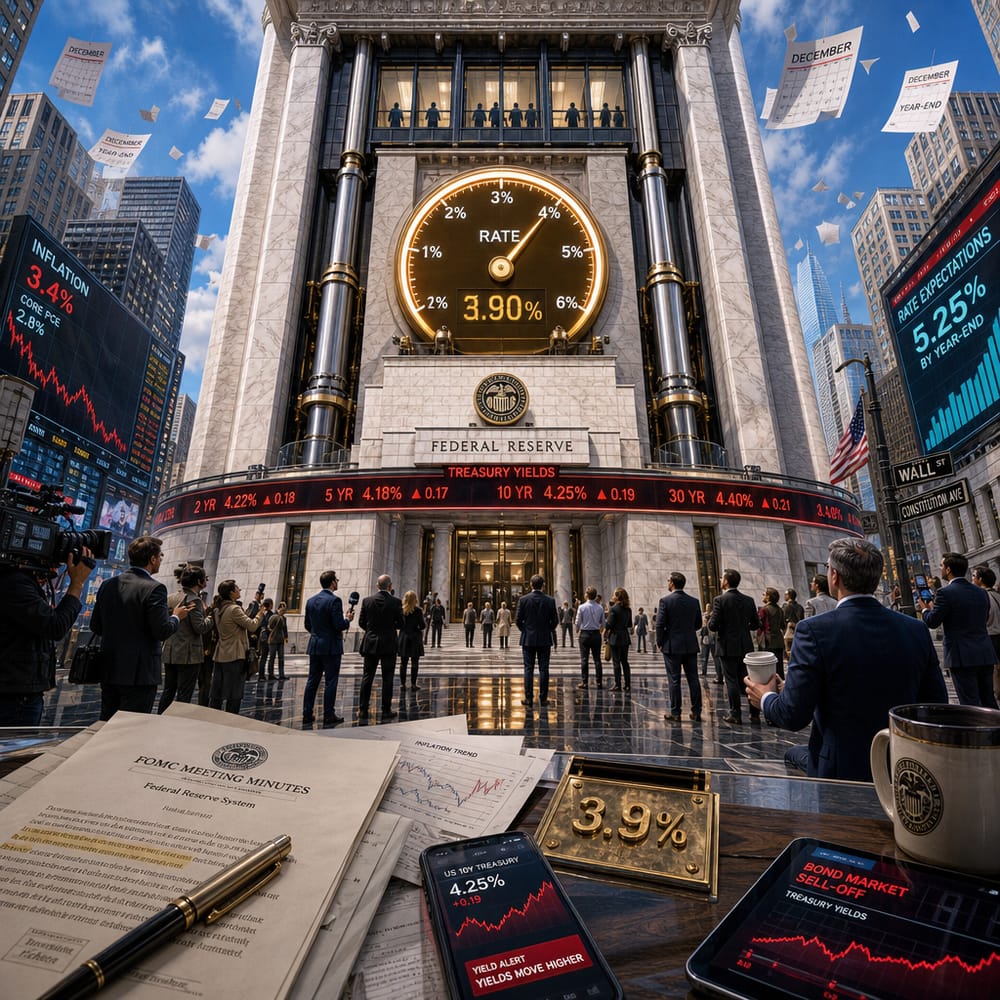
FOMC MINUTES SIGNAL ANOTHER RATE HIKE LIKELY THIS YEAR
Well, folks, it looks like your wallet might be getting another workout soon, and not in a good way. The Federal Reserve's latest tea leaf reading, also known as their meeting minutes, has dropped a bombshell: another interest rate hike could be on the horizon before 2026 waves goodbye. Despite the recent bump up to 3.9%, the Fed seems determined to cool down the economy's sizzle, even if it means cranking the thermostat down further.
Why does this matter, you ask? Oh, just a little thing called your financial life. Higher interest rates can increase the cost of borrowing, affect your spending habits, and influence decisions from Wall Street to Main Street. In short, when the Fed sneezes, the whole economy catches a cold.
THE RIPPLE EFFECT ON THE ECONOMY
First up, let’s talk borrowing. When interest rates climb, so does the cost of taking out loans. Everything from mortgages to credit cards to car loans could see higher rates. So, if you're dreaming of that new home or planning to finance a shiny new ride, you might want to brace yourself for heftier monthly payments. And it’s not just consumers who will feel the pinch—businesses also face higher borrowing costs, which might make them think twice about expanding or hiring.
Then there’s consumer spending, the lifeblood of the U.S. economy. If people have to shell out more to cover their debts, they’ll likely have less to spend on those “treat yourself” moments. That could slow down retail sales, impacting sectors from fashion to technology. Remember, when consumers pull back, it’s not just the fancy coffee shops and tech stores that feel it—it's the entire economic chain.
INFLATION: THE FED’S ARCHNEMESIS
The Fed’s rate hikes are like a double-edged sword aimed at inflation. By making borrowing more expensive, they hope to curb spending, which, in theory, should slow down inflation. But it’s a tricky balancing act. Raise rates too fast, and you risk stalling economic growth; move too slowly, and inflation could run wild.
The big question: will this latest potential hike be the knockout punch inflation needs, or will it just make everyone dizzy from the swings? The Fed's target is to keep inflation around 2%, but recent numbers have shown it stubbornly hovering above that comfort zone. The hope is this extra rate hike will nudge it back to where it belongs, but only time will tell.
SECTORS IN THE CROSSHAIRS
Some sectors are more sensitive to interest rate changes than others. The real estate market is particularly vulnerable. Higher rates mean higher mortgage costs, which could deter potential home buyers. Construction companies might feel the crunch too, with fewer homes being built and sold.
Tech stocks, those high-flying darlings of the stock market, can also get caught in the crossfire. Rising rates tend to lower the present value of future earnings, which can lead to a drop in stock prices. So, those betting big on tech might want to buckle up for a potentially bumpy ride.
But it’s not all doom and gloom. Financial institutions like banks and insurance companies could actually benefit from higher rates. They typically earn more from the interest on loans than they pay on deposits, and a rate hike could widen that gap, boosting their bottom lines.
BOTTOM LINE: HOLD ON TIGHT
So, what should you do as this economic rollercoaster continues its wild ride? Stay informed, keep an eye on your spending, and brace yourself for potential changes in your financial landscape. If you’re thinking about big purchases or investments, consider the impact of rising rates and plan accordingly.
The Fed’s minutes have set the stage for what could be an eventful end to the year. Will they pull the trigger on another rate hike? And if they do, how will it ripple through the economy? As always in the world of finance, expect the unexpected. Keep your eyes peeled and your wallets ready—because the only thing certain in this economic drama is that the plot will keep thickening.
This article is for informational purposes only and is not investment advice. Always do your own research or consult a licensed financial professional before making investment decisions.
© Copyright 2024. All Rights Reserved.
© Copyright 2024. All Rights Reserved.