

Financial Sector Under Pressure from Regulatory Scrutiny
Thursday, August 06, 2026
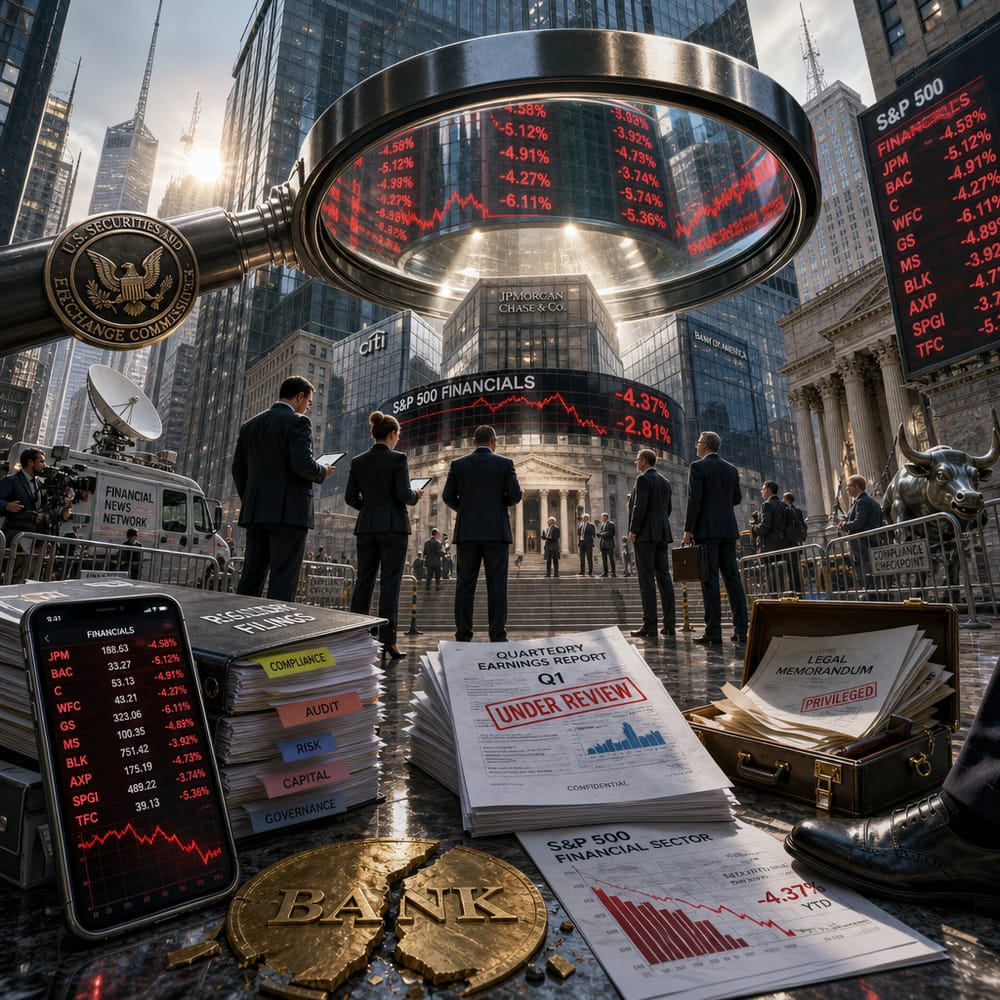
If financial markets were a high-stakes poker game, the financial sector right now is the player with a growing pile of chips, but who suddenly finds its cards aren't as hot as they seemed. And you can thank increased regulatory scrutiny for that cold dose of reality.
First things first, here's the deal: Regulations are the rules of the game, but lately, they've been tightening like a vice on Wall Street's cash machines. The financial sector is sweating, and it's not just because summer's been a scorcher. The pressure is mounting as regulators decide it's time to crack down, and the ramifications are rippling through financial stocks, leaving investors with more questions than answers.
So, what's new on the regulatory front? Well, the watchful eyes of regulators have set their sights on leverage—essentially borrowed money—across the financial sector. Jamie Dimon, the CEO of JPMorgan, recently sounded the alarm, warning that leverage in the market is at unprecedented levels. When you hear "leverage," think of it as the financial version of playing with fire—exciting, but risky. Dimon isn't mincing words when he says the hidden borrowing could amplify disruptions in the market. If that doesn't make you sweat, what will?
The regulatory hawks are also focusing on stress tests and capital requirements—a fancy way of saying they want banks to prove they can withstand economic storms without crumbling like a house of cards. This shift toward tighter regulations comes at a time when banks were just starting to feel their oats again after navigating a barrage of pandemic-related challenges. Now, they're facing another hurdle: proving they aren't over-leveraged and vulnerable.
Here's the million-dollar question: How are financial stocks faring amid this regulatory rumble? Spoiler alert: They aren't exactly soaring. Financial stocks have been feeling the heat, with the S&P 500's financial sector component lagging behind. The weight of stricter oversight is creating an atmosphere of caution, causing investors to think twice before diving back into banking stocks. It's like that moment when you're second-guessing whether another slice of pizza is worth it—only this time, the consequences are financial.
Now, let's talk long-term implications because that's where things get really interesting. Increased regulatory scrutiny is like a double-edged sword. On one hand, it's all about making sure the financial sector doesn't go off the rails again like it did in 2008. Regulators want to ensure that banks are super safe, squeaky clean, and less likely to need a government bailout anytime soon.
But here's the flip side: Stricter regulations might force banks to play it safe, potentially cutting into profits. For retail investors—folks like you and me scrolling through our news feeds—this might mean muted returns from what was once a robust financial sector. The question investors need to ask is: Are these new rules a necessary evil to prevent another financial crisis, or are they handcuffs that will stifle banks' ability to innovate and grow?
As the dust settles, it's clear that banks will have to adjust their strategies and find ways to thrive under this new regulatory reality. Some might pivot to less risky ventures or explore new avenues for growth, while others could focus on cost-cutting and efficiency to maintain profitability.
So, what should the savvy investor make of all this? Keep a close eye on the financial sector and be prepared for more twists and turns. Regulatory scrutiny is not going away, and its impact on financial stocks could be a long game. Banks may not be the darlings of Wall Street right now, but who knows? They might just find their groove again, and when they do, those who stuck around might find themselves holding the winning hand.
The financial sector's journey through this regulatory landscape is far from over. Stay tuned, stay informed, and remember, in the world of investing, patience is often rewarded—not unlike a good poker face.
This article is for informational purposes only and is not investment advice. Always do your own research or consult a licensed financial professional before making investment decisions.
© Copyright 2024. All Rights Reserved.
© Copyright 2024. All Rights Reserved.