

Fed Rate Cuts Could Break September’s Market Curse
Monday, September 08, 2025
September’s Bad Reputation
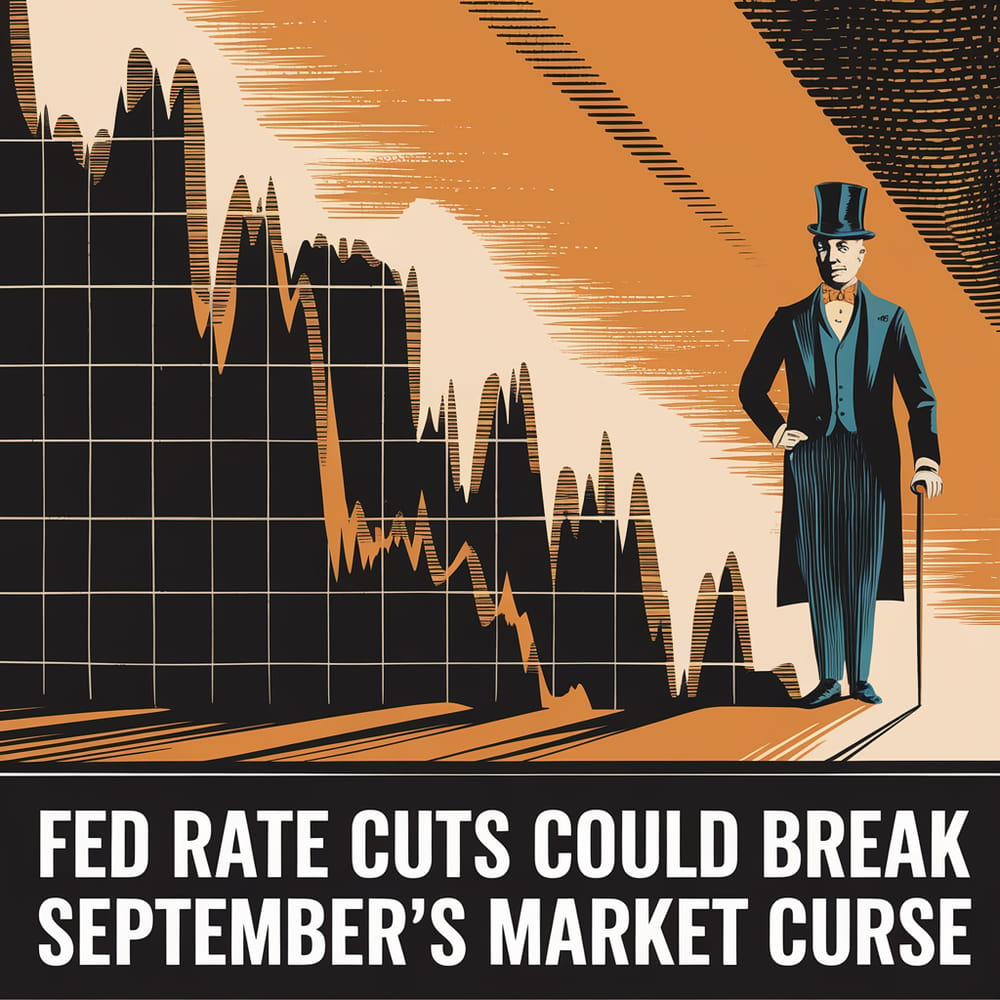
Wall Street has a saying: September is the market’s worst month. History backs it up — the S&P 500 has fallen more often than not during this stretch. But this year might be different. With the Federal Reserve signaling it could restart interest rate cuts, traders are betting the usual gloom won’t take hold.
When the Fed Steps In
Looking at decades of data, September’s odds improve dramatically when the Fed cuts rates outside of a recession. In fact, the S&P 500 has posted gains averaging 1.2% in those cases. Last year offered proof — the Fed slashed rates by 50 basis points and the index rose 2% for the month.
All Eyes on September 17
Investors are nearly certain the Fed will trim rates at its upcoming meeting, after the latest jobs report showed hiring slowed and unemployment hit its highest since 2021. Chair Jerome Powell hinted at this move back in August at the Fed’s Jackson Hole gathering, giving bulls another reason to stay confident.
Why September Usually Hurts
It’s not just superstition. Fund managers rebalance portfolios at quarter-end, companies pause buybacks before earnings season, and retail trading often dries up — all of which weigh on stocks. Since 1971, the S&P 500 has averaged a 0.7% loss in September, the only month with worse odds of falling than rising.
Risks Still Linger
This year, traders are juggling more than seasonality. Inflation remains above target, tariffs threaten corporate profits, and markets are dangerously reliant on a few big tech winners. If cracks show in AI or consumer spending, even a Fed cut might not be enough to rescue sentiment.
The Bottom Line
September may be notorious, but it isn’t unbeatable. If the Fed delivers on rate cuts without tipping the economy into recession, this month could be remembered as the one that broke Wall Street’s oldest curse.
© Copyright 2024. All Rights Reserved.
© Copyright 2024. All Rights Reserved.