

Fed Speeches Signal Diverging Views on Further Rate Moves
Monday, October 05, 2026
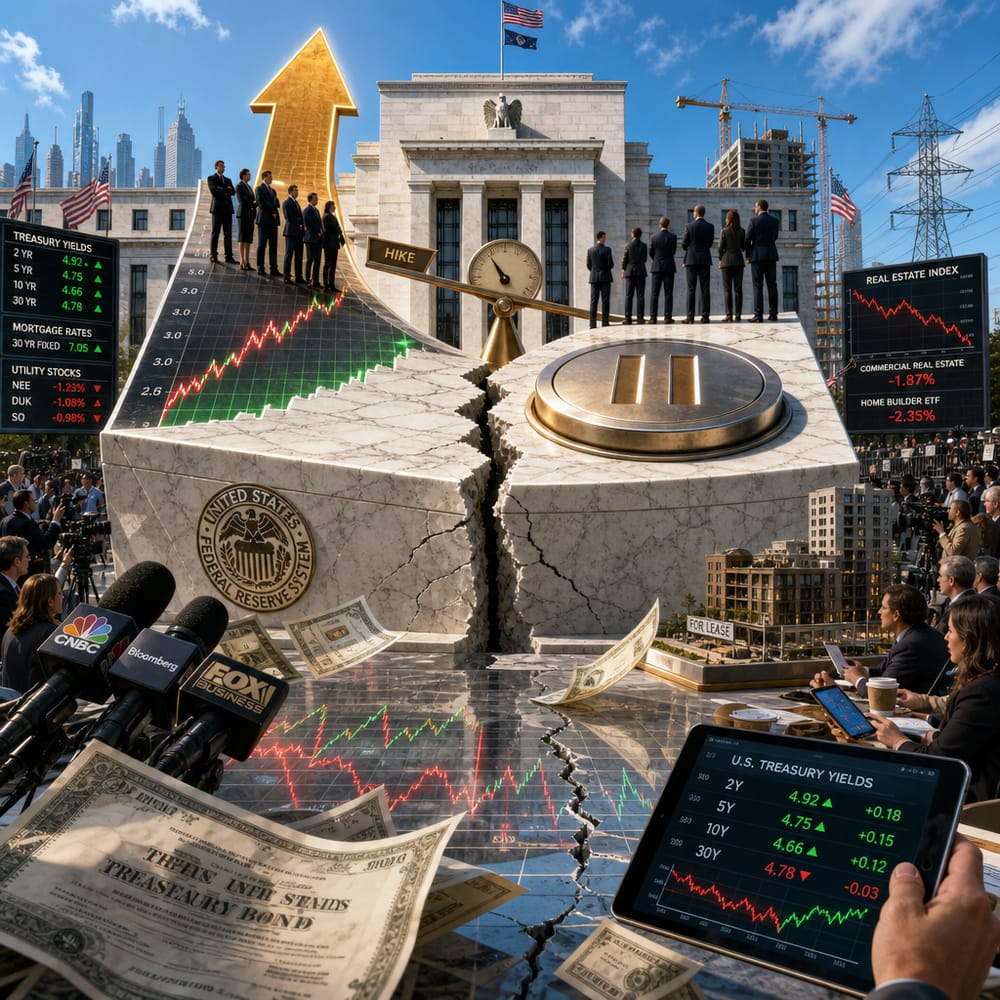
FED SPEECHES SIGNAL DIVERGING VIEWS ON FURTHER RATE MOVES
Ever feel like the Federal Reserve is playing a bizarre game of "Monetary Policy Says"? One moment they're hawkish, the next they're dovish, and markets are left feeling like they're on a financial seesaw. Recent speeches from Fed officials have taken the public on a wild ride of mixed messages, with some advocating for further interest rate hikes while others suggest it's time to hit pause. So, what does this mean for us mere mortals trying to navigate these choppy financial waters?
Welcome to the party of diverging Fed views, where everyone's got an opinion and none of them quite agree. Here's the scoop on how these different takes could shake up your portfolio, your mortgage, and possibly even your mood.
THE BOND MARKET BOOGIE
First, let’s talk U.S. Treasury bonds—the stalwart of the investment world. They’re not just for finance nerds and grandpas anymore. With Fed officials sending mixed signals, bond yields have been doing the cha-cha all over the place. Higher interest rates, typically driven by rate hikes, mean bond prices fall. So, if you’re holding onto bonds, it might be time to check your grip.
If the hawks win and rates go up, bond yields will likely rise too, which is great for new investors eyeing some steady returns but a bit of a headache for those holding existing bonds that will lose value. If the doves prevail, and rates stay put or drop, the current bondholders might just breathe a sigh of relief, as their treasures don’t diminish in value.
RATE-SENSITIVE SECTORS: THE ROCKY ROAD AHEAD
Now, let's stroll over to those rate-sensitive sectors. Picture real estate and utilities as nervous travelers—every slight turn of the rate dial gives them a case of the jitters. Rising rates might increase borrowing costs, making mortgages pricier and utility companies more reluctant to invest in new infrastructure. On the flip side, if rates pause, you might see real estate developers pop the champagne as they enjoy a calmer, more predictable interest environment.
Investors eyeing real estate or utility stocks might need to channel their inner meteorologists, constantly checking the forecast for any Fed-driven storms. Remember, these sectors could either ride the waves or wipeout depending on where the Federal Reserve finally decides to plant its flag.
WHAT'S NEXT FOR INVESTORS?
So, what’s a savvy investor to do amidst all this Fed flip-flopping? Keep your eyes peeled for the next big Fed meeting—it's the financial equivalent of a blockbuster movie premiering, complete with all the suspense and drama. Watch for any hints of consensus forming among Fed members; this could signal where rates might head next.
Consider adjusting your strategies by diversifying your portfolio—think of it as a financial safety net. Whether it’s tech stocks, which have shown surprising resilience against rate jitters, or perhaps some international options to spread out the risk, having a mix could be your best bet against the Fed’s fickle nature.
And let's not forget the power of staying informed. Tune into Fed speeches, read up on inflation data, and keep an ear out for economic indicators that could signal rate shifts. Knowledge isn’t just power; it's your life jacket in the turbulent seas of market volatility.
THE FINAL WORD
As the Fed officials continue their public discourse, the markets will hang onto every word, comma, and pause. Their diverging views have left the future path of monetary policy in a bit of a fog, with the potential for market volatility as investors try to decipher the Fed's next move. But whether you're a bond enthusiast, a real estate mogul, or someone just looking to make sense of it all, remember: in the ever-shifting landscape of monetary policy, staying nimble and informed is your best defense. After all, in the thrilling world of finance, the only constant is change. So buckle up, because this rollercoaster of rate decisions isn't over yet.
This article is for informational purposes only and is not investment advice. Always do your own research or consult a licensed financial professional before making investment decisions.
© Copyright 2024. All Rights Reserved.
© Copyright 2024. All Rights Reserved.