

Fed Signals Another Rate Hike Ahead Despite Cooling Labor Market
Saturday, September 26, 2026
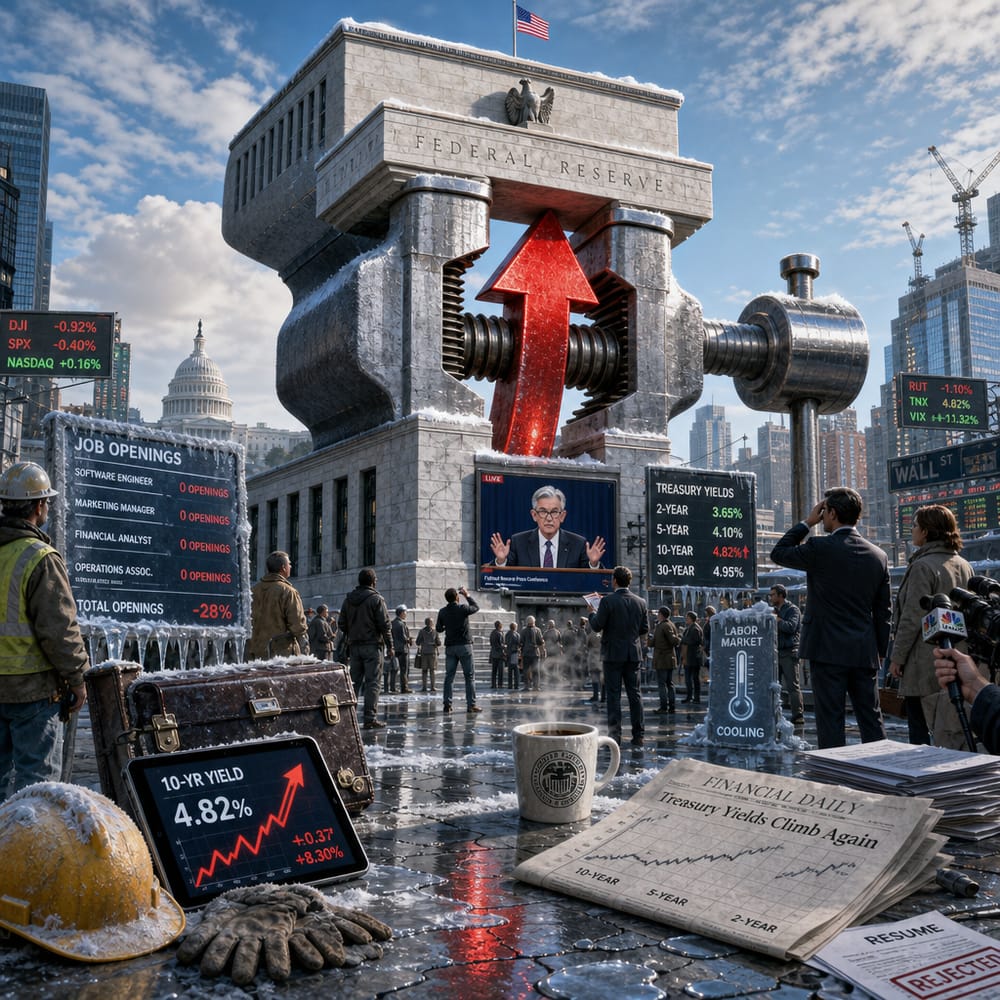
FED SIGNALS ANOTHER RATE HIKE AHEAD DESPITE COOLING LABOR MARKET
Brace yourselves, folks. Just when we thought the economy was catching a break, the Federal Reserve, our economic referee, is signaling yet another interest rate hike before the year wraps up. Yes, you heard it right, the Fed is doing its best impression of a traffic cop, trying to slow down the economy even as the labor market takes a chill pill. So, what does this mean for you, the savvy retail investor, and your daily financial decisions? Buckle up, because we're diving into the ripple effects of this looming rate hike.
Let's start with the housing market, that lovely sector where dreams of white picket fences and freshly mown lawns can turn into nightmares of soaring mortgage rates and endless paperwork. Higher interest rates mean higher borrowing costs, translating into heftier mortgage payments. For those on the house hunt, this could be the equivalent of finding out your dream home comes with a flooded basement and a family of raccoons in the attic.
For current homeowners, a rate hike could mean paying more on adjustable-rate mortgages — those sneaky devils that change rates like a chameleon changes colors. If you're in the market to sell, you might find that potential buyers are spooked by increasing costs, potentially leading to slower sales and declining home values. Not the best news if you were hoping to cash in and scoot off to that retirement villa.
Now, let's talk consumer spending, because what's an economy without a little retail therapy? Higher interest rates make borrowing more expensive. That means credit cards, car loans, and student loans all get pricier. Suddenly, that shiny new gadget or weekend getaway seems less appealing when it's racking up interest charges faster than you can say "charge it!"
When folks spend less, businesses feel the pinch. Retailers might struggle to hit sales targets, and even the mighty Amazon could face a slowdown in growth. Consumer sentiment often takes a hit, leading to caution with wallets and purses. If people start tightening their belts, we might see a slowdown in the sectors that thrive on discretionary spending — think luxury goods, dining out, and entertainment.
Of course, we can't ignore the stock market, the rollercoaster that keeps us all biting our nails (or reaching for the popcorn). Rate hikes often make investors skittish, leading to volatility as they weigh the prospects of higher borrowing costs against potential returns. Higher rates can dampen corporate profits and cool off a hot stock market. Companies with high levels of debt might feel the squeeze, as the cost to service their loans rises.
On the flip side, sectors less dependent on borrowing, like consumer staples and utilities, might become more attractive safe havens for investors seeking stability. And let's not forget about bonds. Higher interest rates can make bonds more attractive, luring investors away from riskier equities and providing a steady income stream in uncertain times.
But wait, there's more! We also have to consider the Fed's tightrope walk between taming inflation and nurturing a soft landing for the economy. With a cooler labor market hinting that the economy's engine isn't overheating, the Fed's decision to hike rates might feel like stepping on the brakes when the car's already coasting downhill. It's a delicate balance, and one that could have implications beyond just interest rates.
So, what should the savvy investor do in this climate? Stay informed, stay diversified, and keep an eagle eye on the Fed's moves. If you're in the market for a house, a loan, or an investment opportunity, consider how rate changes might affect your decisions and future financial health. And remember, while rate hikes can make for a bumpy ride, they're part of the Fed's toolkit to keep the economy on track — even if that track occasionally feels like a rickety rollercoaster.
In the end, the Fed's hint at another rate hike is a reminder of the ever-shifting landscape of the financial world. Whether you're a newbie investor or a seasoned market player, staying agile and informed will help you navigate these economic twists and turns. So hang tight, keep your wits about you, and maybe, just maybe, take that extra look before signing on the dotted line.
This article is for informational purposes only and is not investment advice. Always do your own research or consult a licensed financial professional before making investment decisions.
© Copyright 2024. All Rights Reserved.
© Copyright 2024. All Rights Reserved.