

Fed’s Williams Signals Reasonable Grounds for Another Rate Hike by Year-End
Thursday, September 24, 2026
Fed’s Williams Signals Reasonable Grounds for Another Rate Hike by Year-End
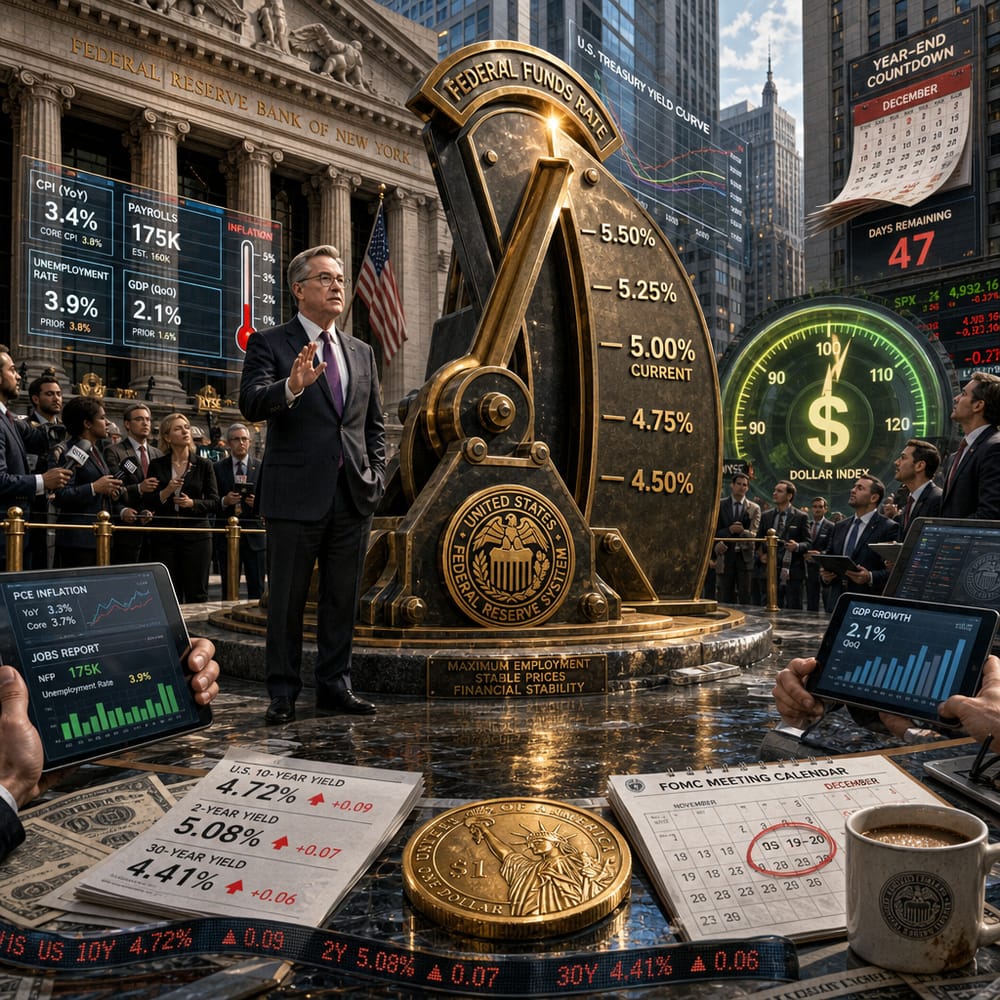
Grab your popcorn, folks. The U.S. economic saga is gearing up for another potential plot twist as New York Fed President John Williams drops hints like they’re hot about a possible rate hike before the ball drops on 2026. For those of you keeping score at home, the Federal Reserve just might tighten the screws a bit more, depending on what the economic data decides to throw our way.
While Williams didn’t exactly roll out a red carpet of explicit forward guidance—because, apparently, that’s so five minutes ago—he did make it clear that another rate hike by year-end is a "reasonable" expectation. Just don't count on him or Fed Chairman Kevin Warsh to chat about it like it's a juicy office rumor. The Fed's new M.O. is more or less “let's wait and see,” suggesting they’ll play it by ear and follow the ever-shifting winds of economic indicators.
Now, why does this matter to you, the savvy retail investor juggling coffee, a smartphone, and visions of an early retirement? Because the Fed's next moves are like the butterfly effect on steroids, influencing everything from the bond market to your favorite meme stock.
The 30-year Treasury yield just hit its highest point since 2004. That’s not just some dusty statistic; it's an alarm bell that’s got everyone from Wall Street suits to Reddit traders paying attention. When yields rise, prices fall, and this bond selloff hints that investors are betting on another rate hike. If Williams’ hints become reality, expect those yields to keep ticking upward, tightening the screws on borrowing costs.
So, what happens if Williams and the Fed decide to put another brick on the rate hike wall? Strap in. Higher interest rates can throw cold water on inflation, which is nice when you're trying to keep the price of a latte under control, but they can also slam the brakes on economic growth. Spending and borrowing get costlier, which means businesses might pump the brakes on expansion plans or hiring binges. And let’s not forget about housing—higher mortgage rates could make the already prickly process of buying a home feel like trying to climb Everest in flip-flops.
The U.S. dollar, meanwhile, could continue buffing its muscles. Rate hikes typically make the dollar more attractive because of the promise of higher returns on investments, leaving other currencies looking like weaklings by comparison. A stronger dollar is great for your Mediterranean vacation plans but not so hot for U.S. exporters, who find their goods priced out of some foreign markets.
Let’s break it down: Another rate hike could squeeze inflation, stifle growth, and flex the dollar, setting off a domino effect through the markets. And that’s before we even get to the potential risks lurking beneath the surface.
Could further tightening by the Fed push the economy into an icy recession? Possibly. It’s a balancing act worthy of Cirque du Soleil—tip too far one way, and things could get wobbly. Bond yields are already testing new heights, challenging earnings growth and making stocks jump through hoops to maintain their momentum. Market participants are left to wonder if the Fed is playing a game of chicken with economic growth.
As we stand on the edge of this economic cliffhanger, the focus remains on the incoming data. Will it paint a Picasso of prosperity or a Dali-esque distortion that forces the Fed’s hand? Only time and the economic numbers will tell. Until then, keep your eyes on those Treasury yields, your ear to the ground for Fed whispers, and your portfolio ready for whatever this economic rollercoaster throws next.
In the words of New York Fed President John Williams, "We're going to collect the data and do what we did between July and September." So, stay tuned. It's going to be an intriguing chapter in the saga of the U.S. economy.
This article is for informational purposes only and is not investment advice. Always do your own research or consult a licensed financial professional before making investment decisions.
© Copyright 2024. All Rights Reserved.
© Copyright 2024. All Rights Reserved.