

Fed’s Rate Standstill and Rising Dissent
Sunday, August 16, 2026
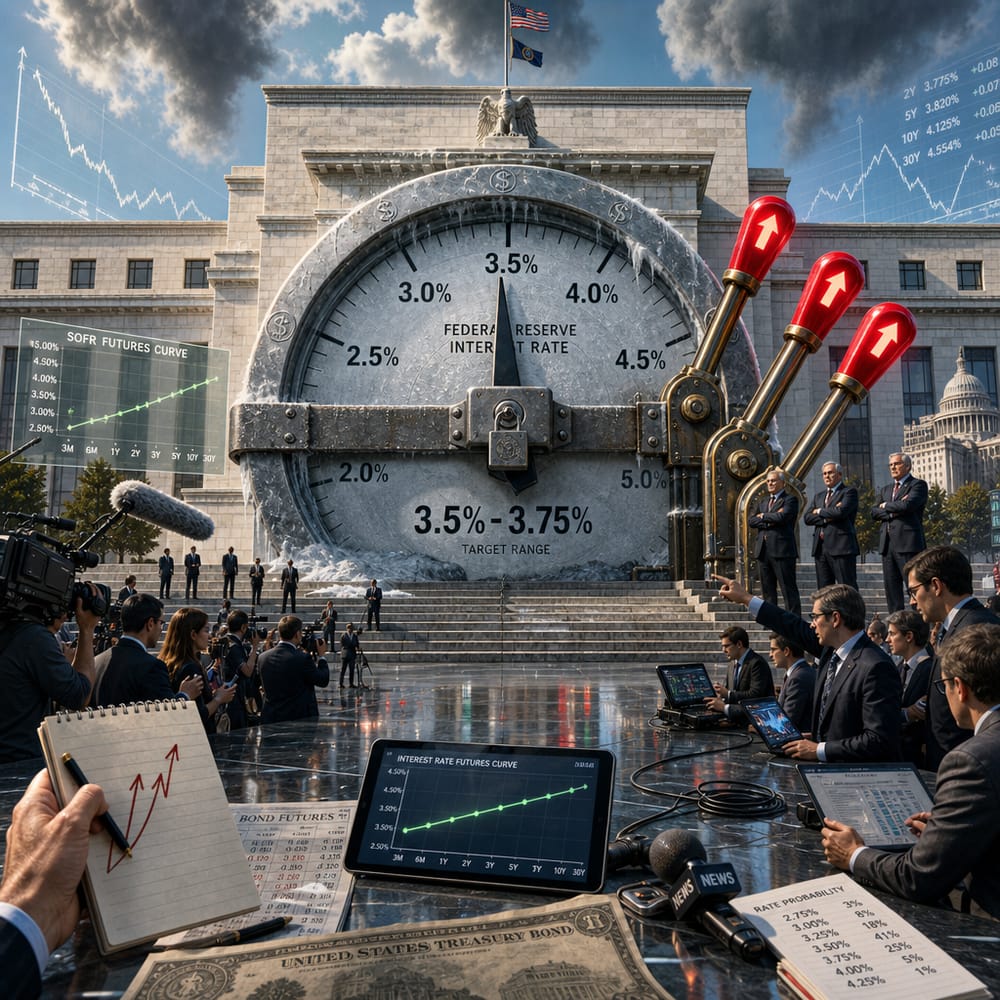
When the Federal Reserve hits the pause button, it’s like watching a DJ in the middle of a dance-off suddenly freeze the track. The vibe shifts, everyone holds their breath, and you wonder what beat will drop next. That’s exactly what happened recently when the Fed decided to keep its key rate steady at 3.5%–3.75%. But the real kicker? Three officials broke ranks, pushing for higher rates. The dissent is as rare as pineapple on pizza at a New York pizzeria, and it's stirring up a cocktail of uncertainty in the financial markets.
Let’s break it down: Why is the Fed playing the waiting game instead of cranking up the rates? On one side, you’ve got inflation, the dreaded economic boogeyman that spooks policymakers. The Fed usually battles it with higher rates, making borrowing more expensive and cooling down spending. But hold your horses. Boosting rates can also kneecap job growth. It’s a delicate dance—like trying to moonwalk in a room full of Legos.
Now, meet the three dissenters. They’re the hawks of the Fed, the ones who think inflation’s fanned flames are yet to cool enough. They argue that a stitch in time saves nine—raise rates now to prevent a bigger mess later. But the counterpoint, the Fed majority's mantra, suggests patience. “Chill,” they say, “let’s see if the current rates work their magic.”
Fed Chair Jerome Powell and his crew have a tricky task: maintain that goldilocks balance. Not too hot, not too cold. But this internal squabble over rates is like watching your GPS argue with itself—do we take the scenic route, or is it time to floor it on the highway?
The dissent throws a wrench into the Fed's well-oiled machine narrative, raising eyebrows on Wall Street. Investors rely on the Fed as their compass for future economic tides. When the Fed's unity shows cracks, market confidence can wobble like a toddler on roller skates. If the Fed seems confused, what’s a retail investor to think?
This turbulence reflects the classic monetary policy tug-of-war: support economic growth or rein in inflation? It’s no surprise that the markets are jittery. The Fed’s decision to hold steady suggests they’re wary of stalling economic recovery, especially with global hiccups like geopolitical tensions and supply chain snarls still in the mix. But the dissent signal means more volatility could be waiting in the wings.
So, what does this mean for you, the savvy investor or casual financial voyeur? First, it’s time to tune in to the upcoming economic data releases like they’re the season finale of your favorite binge-worthy drama. Inflation figures, unemployment rates—they’re the tell-tale signs of the Fed's next moves.
Secondly, hold onto your interest rate futures. The dissent could lead to a repricing as traders bet on rate hikes sooner rather than later. This means the cost of borrowing—from mortgages to car loans—might keep you on your toes.
Finally, remember that uncertainty isn’t new. Markets have weathered many a storm, and they’ll do so again. But navigating these choppy waters requires keeping an eye on the Fed’s signals while not losing sight of your financial objectives.
In the end, the Fed’s rate standstill, peppered with a dash of dissent, is a reminder that in the world of finance, the only constant is change. As investors, it’s all about staying agile, informed, and ready to pivot when the next rate twist rolls around. So, keep your ear to the ground and your investment strategy flexible, because this Fed saga is far from over.
This article is for informational purposes only and is not investment advice. Always do your own research or consult a licensed financial professional before making investment decisions.
© Copyright 2024. All Rights Reserved.
© Copyright 2024. All Rights Reserved.