

Fed’s Cook, Williams, Schmid Signal Rising Readiness to Hike Rates if Inflation Persists
Monday, August 17, 2026
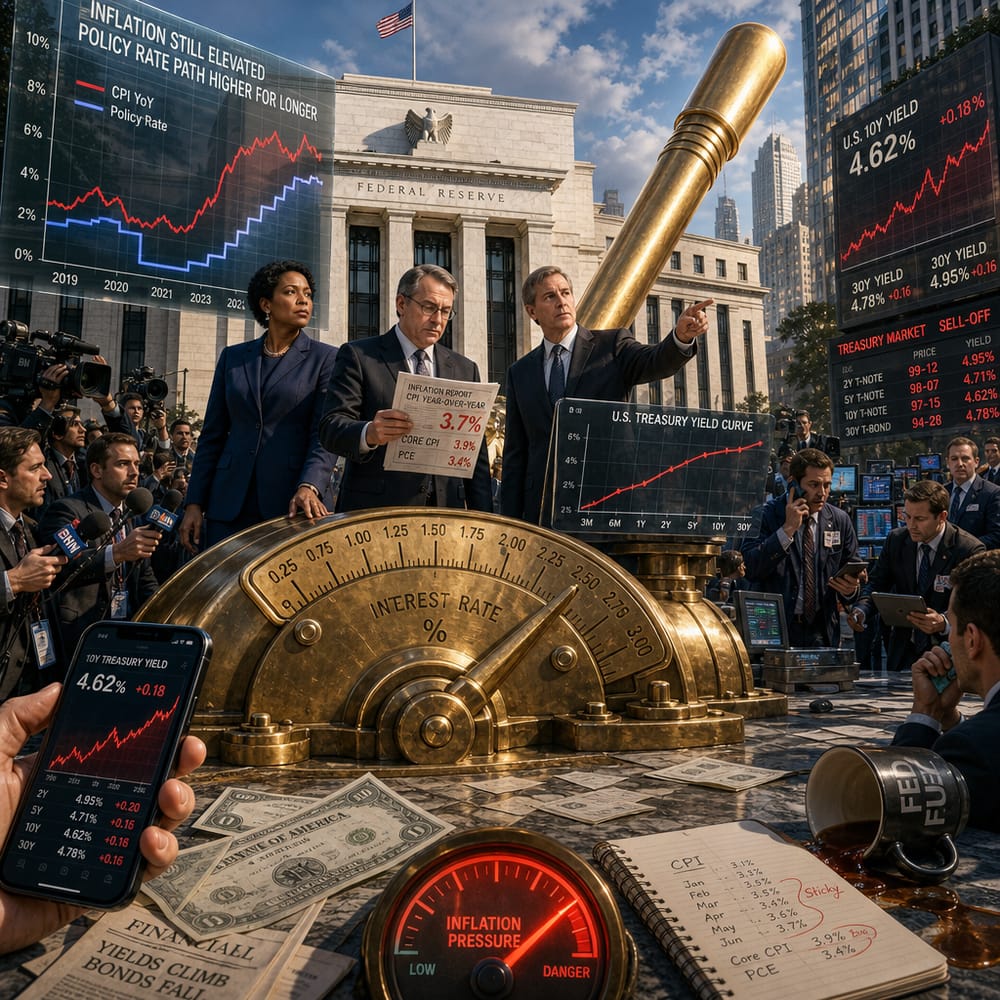
The Federal Reserve is sharpening its talons, ready to swoop down with interest rate hikes if inflation refuses to simmer down. Key Fed players like Lisa Cook, John Williams, and Austan Goolsbee are sending hawkish signals that might leave markets feeling a little queasy. So, what’s cooking in the Fed’s policy kitchen, and how might it affect your wallet, the economy, and Wall Street’s mood swings?
THE FED’S WATCHLIST: KEEPING AN EYE ON THE PRIZE
The Fed doesn’t make rate decisions on a whim. They're glued to a handful of economic indicators like a Wall Street analyst is to earnings season. Inflation metrics, job growth numbers, and consumer spending reports are the Holy Trinity guiding their interest rate decisions.
Inflation, that sneaky beast, is the headliner. Persistent price hikes across the board—from your morning coffee to gasoline—are raising eyebrows at the Fed’s headquarters. If prices don’t chill out, expect the Fed to play hardball. The logic? Higher interest rates typically put a lid on spending, which in turn can slow down inflation. But there's a trade-off: tighter monetary policy can dampen economic growth and employment.
WHAT A RATE HIKE MEANS FOR YOU
Now, let’s talk dollars and cents. When the Fed hikes rates, borrowing costs climb, and that cascades through the economy like a shot of espresso through your bloodstream. First stop: mortgages. If you’re house hunting, brace yourself for higher monthly payments. A rate hike nudges mortgage rates upwards, meaning more cash leaving your pocket each month.
Auto loans and credit card rates aren’t spared either. Those planning to finance a new set of wheels or who are carrying a hefty credit card balance will also feel the pinch. For savers, there’s a silver lining: higher rates mean better returns on savings accounts and CDs. But let's be real, who’s living high on the hog from savings interest alone these days?
THE MARKET AND ECONOMIC RIPPLE EFFECT
Rate hikes send ripples through the stock market, too. Investors often get skittish about how higher rates can crimp corporate profits. Companies, especially those in growth sectors that rely on borrowing—think tech and startups—may see their margins squeezed.
Financial stocks, particularly banks, might throw a party, as they often benefit from higher rates. They can charge more for loans without significantly upping what they pay on deposits. Meanwhile, sectors like utilities and real estate, which tend to rely on debt, could feel the heat.
THE RISKS OF GOING FULL HAWK
A hawkish Fed, ready to swoop on inflation with interest rate hikes, isn’t without its dangers. Aggressive rate increases could push the economy toward a recessionary cliff. The delicate balance of taming inflation without stifling growth is like walking a financial tightrope with no safety net.
Global factors, like geopolitical tensions and supply chain woes, add another layer of complexity. Just look at the recent bump in oil prices as Iran and the U.S. tangle over political disagreements. Higher energy prices can fuel inflation, complicating the Fed's battle plan.
THE FINAL WORD: PLAYING THE WAIT-AND-SEE GAME
For now, all eyes are on the Fed's next move. Officials are in a wait-and-see mode, ready to react as new data rolls in. The message is clear though: they're prepared to act if necessary.
As retail investors, it's crucial to stay informed and agile. Keep an eye on economic reports and Fed announcements, as these breadcrumbs can help navigate the market maze. Remember, the Fed’s decisions impact everything from your savings to your investments. So strap in, the economic roller-coaster may get bumpy, but being prepared can help keep those financial butterflies in check.
This article is for informational purposes only and is not investment advice. Always do your own research or consult a licensed financial professional before making investment decisions.
© Copyright 2024. All Rights Reserved.
© Copyright 2024. All Rights Reserved.