

Fed Powell Speech Preview: What to Watch
Tuesday, July 07, 2026
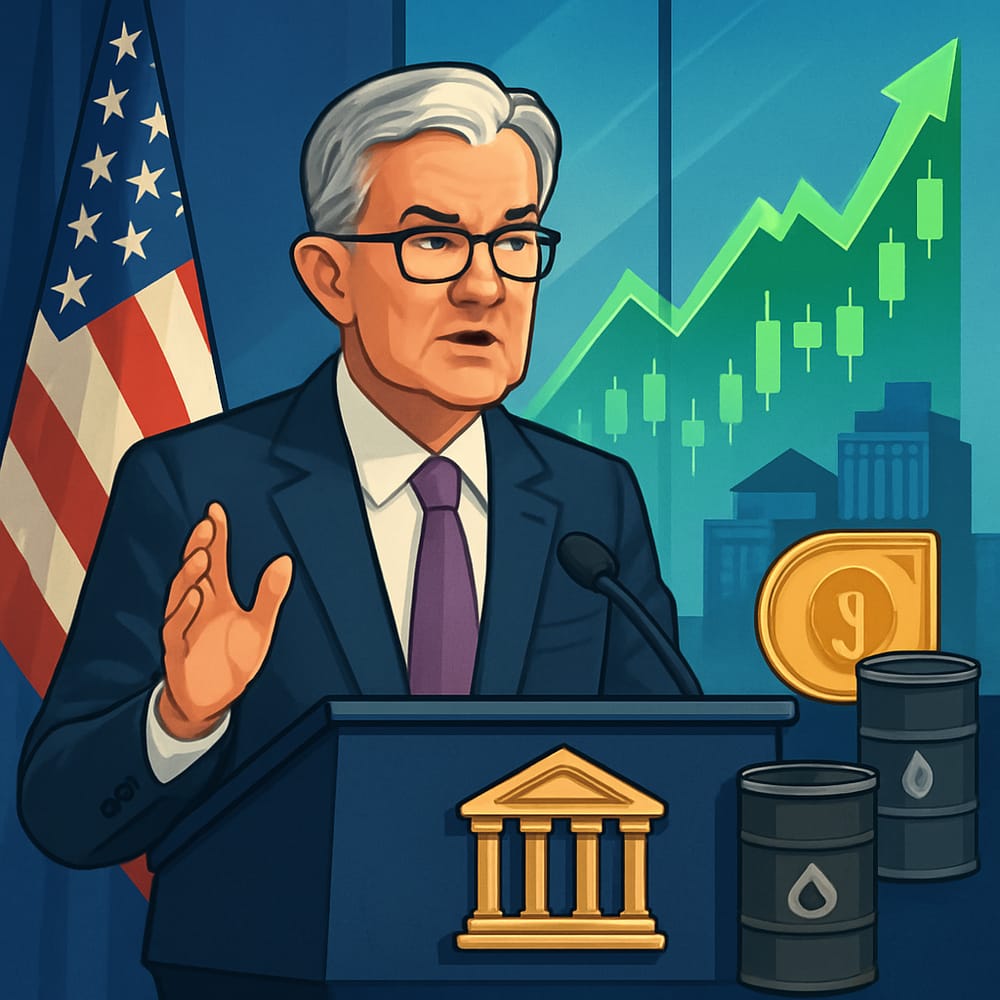
JEROME POWELL'S NEXT MOVE: WHAT TO EXPECT FROM THE FED CHAIR'S SPEECH
Ladies and gentlemen, prepare yourselves for the financial equivalent of must-see TV – Federal Reserve Chair Jerome Powell is about to step up to the mic. No, he’s not dropping a new single, but his upcoming speech has investors tuned in and turning up the volume. The reason? It’s likely to set the tone for monetary policy and ripple through the markets like a bass drop.
WHY SHOULD YOU CARE?
Powell isn’t just another talking head; he’s the DJ spinning the tracks that can make or break your investments. His words have the power to shake markets, adjust interest rates, and influence everything from your mortgage rates to the returns on your retirement fund. When Powell talks, Wall Street listens.
EXPECTATIONS FOR THE SPEECH
Now, what are we all waiting for, exactly? That’s the golden question. Investors are eagerly anticipating hints on whether the Fed plans to maintain its steady course or pivot in response to recent economic indicators. Inflation is still a lingering guest at our economic party, so everyone’s curious if Powell will double down on a hawkish stance—meaning more interest rate hikes to cool things down—or if he’ll lean dovish and suggest a pause or even a rate cut.
The big kahuna on everyone’s mind is, how is the Fed going to play its next hand in the great poker game of inflation vs. economic growth? Keep an ear out for any phrases that sound like “data-dependent” or “flexible approach,” which often signal that the Fed is leaving the door open to change its mind based on new data.
HOW THIS COULD SWAY MARKET EXPECTATIONS
Market expectations are like a delicate soufflé—one wrong move, and the whole thing deflates. If Powell suggests that inflation is still too hot to handle, expect markets to brace themselves for more rate hikes and potentially higher Treasury yields. That could spell a rocky road for stocks, particularly those in rate-sensitive sectors like real estate and tech.
On the flip side, if Powell hints at a more patient approach, the markets might throw a mini-celebration. Lower rates could mean cheaper borrowing costs and could give a boost to sectors like housing that thrive on low interest rates. In short, what Powell says could either invite a market waltz or a jitterbug, depending on his chosen tune.
THE POTENTIAL POLICY IMPLICATIONS
Beyond just the immediate market reaction, Powell’s speech could hold clues regarding the Fed's long-term game plan. If he suggests further tightening, it might indicate the Fed’s commitment to reining in inflation, even if it risks slowing down economic growth. This could mean a tougher environment for borrowing and spending, potentially leading to slower economic expansion down the line.
Conversely, if he signals an easing or a pause, it might suggest the Fed's confidence that inflation is cooling off enough to warrant a less aggressive stance. This could set the stage for more robust economic growth, albeit with the risk that inflation could reignite if not kept in check.
KEEP YOUR EYES ON TREASURY YIELDS
An often overlooked but critical gauge is the reaction of Treasury yields to Powell’s speech. Why? Because changes in bond yields affect everything from your savings account interest rates to the cost of financing a new car. Higher yields can indicate expectations of future rate hikes, while lower yields might suggest the opposite.
So, what’s the takeaway here? As we gear up to hear what Powell has to say, remember that his words have weight. They’re the whispers that can move billions, the sentences that can sway markets, and the guidance that can shape economic policy. Whether his speech leaves you excited, anxious, or somewhere in between, one thing’s certain—ignoring it is not an option.
So, grab your popcorn, sit back, and get ready to decode the Fed speak. After all, in the world of finance, Powell’s podium is the main stage, and we’re all just trying to keep up with the beat.
This article is for informational purposes only and is not investment advice. Always do your own research or consult a licensed financial professional before making investment decisions.
© Copyright 2024. All Rights Reserved.
© Copyright 2024. All Rights Reserved.