

Fed Officials Signal Willingness to Raise Rates Further if Inflation Doesn’t Slow
Thursday, August 20, 2026
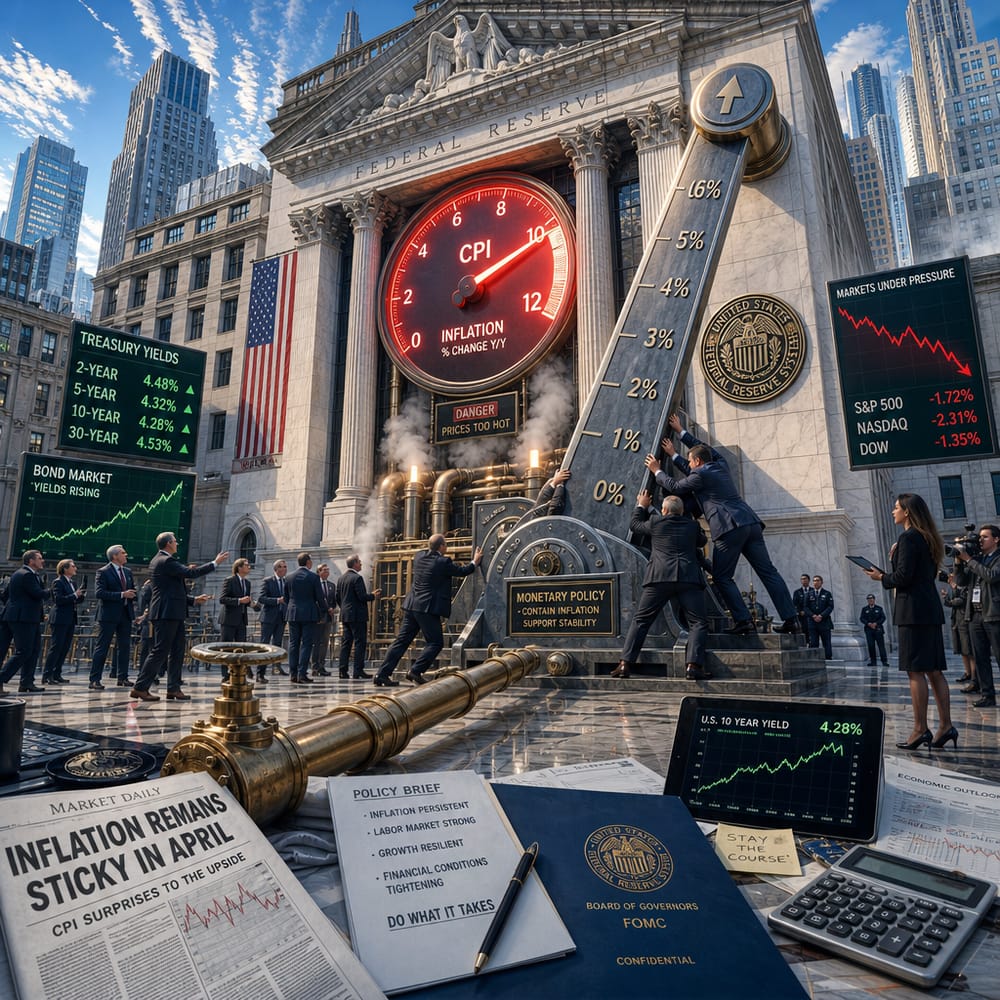
Fed Officials Signal Willingness to Raise Rates Further if Inflation Doesn’t Slow
Hold onto your hats, folks, because the Federal Reserve might be ready to act again. Like a cautious but determined poker player, they're signaling their hand: more interest rate hikes could be on the table if inflation continues to misbehave. It's all in the minutes from their latest secret pow-wow, and it's got Wall Street buzzing like someone spiked their coffee with extra caffeine.
THE INFLATION TANGO: WHAT'S AT STAKE?
Inflation has been like that annoying leak in your roof that just won't quit. You patch it up, and it finds another way to seep through. The Fed, our economic plumbers, are eyeing another dose of interest rate hikes as their wrench of choice. The idea? Cool down that inflation party before it turns into a rager. But what does this mean for you and your piggy bank?
First, let's talk economy. Higher interest rates tend to throw a wet blanket on economic growth. When borrowing costs go up, consumers and businesses alike think twice before taking out loans. Imagine eyeing that new car or a home renovation and suddenly the financing looks less friendly. Not fun, right?
But if the Fed tightens too slowly, inflation might just laugh in their face and keep rising. It's a tricky dance—do too little, and rising prices can erode your purchasing power; do too much, and you risk a recession. It's like walking a tightrope with a blindfold on.
THE RIPPLE EFFECT: HOW IT HITS HOME
So, what happens if the Fed decides to give inflation a good spanking with higher rates? For starters, those juicy low-interest deals on mortgages and car loans might become relics of the past. Your wallet might start feeling the pinch as borrowing costs climb like a squirrel chasing a nut.
And what about consumer spending? You know, that thing that drives a large chunk of U.S. economic activity? If borrowing becomes more expensive, people might start tightening their belts, opting for Netflix nights instead of splurging on that new gadget or vacation. Less spending means less revenue for businesses, which can lead to a slowdown in hiring or even layoffs. Not exactly a recipe for a booming economy.
THE COST OF DOING NOTHING
Here's the kicker: not acting could be just as risky. If inflation remains unchecked, the cost of everyday goods and services could spiral, leaving many Americans struggling. Your grocery bill could have you clutching your pearls, while filling up the tank might feel like highway robbery.
But inflation isn't just a consumer problem. It's a market monster too. Rising inflation can drive up bond yields, making stocks less attractive. This is precisely what we've seen recently, with Treasury yields marching higher despite attempts to rein them in. Such movements can make even a seasoned investor's heart skip a beat.
A TOUGH LOVE APPROACH
Despite the potential downsides, the Fed seems ready to play hardball if needed. Their message is clear: they're not afraid to hike rates further if inflation doesn't simmer down. It’s tough love, but sometimes the economy needs a firm hand.
And for investors? It's time to get strategic. Watching how the Fed maneuvers in the coming months could mean the difference between gaining and losing in the market's rollercoaster ride. Diversifying portfolios, keeping an eye on inflation indicators, and perhaps stashing a little extra under the mattress for those rainy days might not be the worst idea.
BOTTOM LINE
The Fed is holding its cards close, with eyes on inflation's next move. As retail investors, we need to stay sharp and be ready for anything. Whether you're a stock market veteran or just playing the field, understanding how rate hikes might ripple through your finances is key. It’s a wait-and-watch game, but knowledge, as they say, is power. So keep your wits about you, stay informed, and maybe, just maybe, we’ll all come out the other side a bit wiser and not too much poorer.
This article is for informational purposes only and is not investment advice. Always do your own research or consult a licensed financial professional before making investment decisions.
© Copyright 2024. All Rights Reserved.
© Copyright 2024. All Rights Reserved.