

Fed Officials Signal Readiness for Rate Hikes if Inflation Persists
Tuesday, August 18, 2026
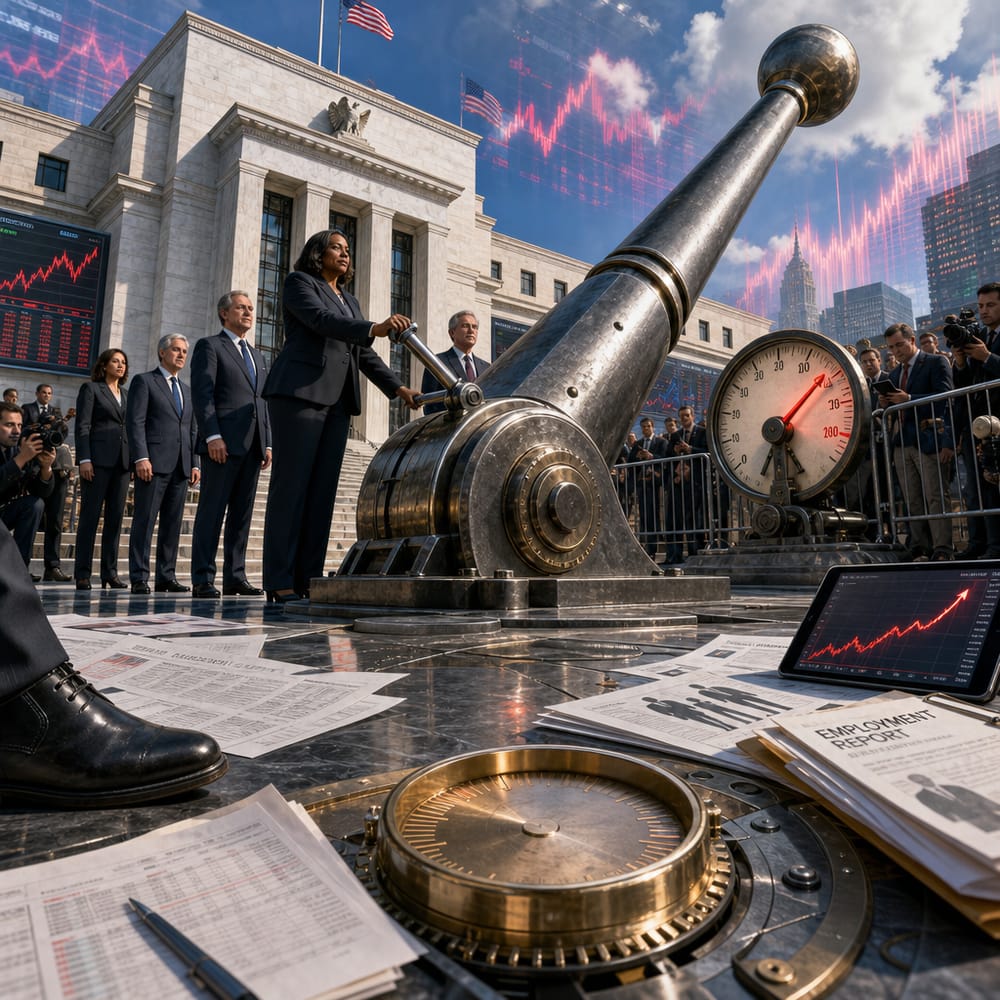
When it comes to the financial powers that be, there's a phrase that strikes fear into the hearts of investors and borrowers alike: "rate hikes." It's the bogeyman of borrowing costs, the specter of stunted economic growth, and the grinch that could potentially steal some of our employment joy. Recently, with inflation seemingly content to crash the party uninvited, Fed officials, including the mighty Governor Lisa Cook, are dusting off their economic battle armor, ready to fight the inflation beast with the sharpest sword in their arsenal—interest rate increases.
WHAT'S DRIVING THE FED'S HAWKISH STANCE?
So, what's got the Fed so riled up? Inflation, that relentless pest, continues to hover like a storm cloud over the economy. Despite efforts to rein it in, consumer prices have been on a stubborn ascent. For the Fed's decision-makers, keeping inflation in check is like balancing on a tightrope, with price stability on one side and employment on the other. Their primary weapon? Interest rates, which can cool down an overheated economy faster than ice water down the back of a thrill-seeking daredevil.
But it’s not just domestic factors at play. The global stage is fraught with geopolitical tensions and economic uncertainties, from Middle East conflicts impacting global oil prices to a fiscal deficit that's ballooning like a helium-filled hippo. The 30-year Treasury yield recently soared to astronomic heights not seen since 2002, signaling investors' skittishness and further pressing the Fed to act decisively. It's a game of chess with very high stakes, and the Fed's next move could reshape the board entirely.
THE RIPPLE EFFECT OF RATE HIKES
Now, let's not mince words—rate hikes are like the grim reaper for cheap loans. You can kiss those low mortgage and auto loan rates goodbye. As the cost of borrowing rises, consumer spending could take a hit. Less spending means businesses might pull back on hiring, putting a potential freeze on job growth. The "frozen housing market" that Home Depot's CFO talked about could turn into an iceberg that even Titanic-level optimism couldn't steer away from. People might hold off on buying new homes, opting instead to renovate their current abodes or simply wait it out.
The stock market, on the other hand, tends to react to rate hikes like a cat to a cold bath. Higher interest rates can dampen corporate profits, and stocks could tumble. The tech sector, which thrives on growth and investment, might feel the pinch more than others, as seen with firms like Nvidia, which are already navigating a landscape filled with shifting sands and competitive pressures.
WHAT COULD BE THE MARKET'S RESPONSE?
So, what can we expect from the market? Well, if history is any indicator, the immediate response to a hawkish Fed is usually a whirlwind of volatility. Investors could seek refuge in safe havens like bonds, despite their rising yields. And while stocks might stagger like a boxer hit by a surprise uppercut, opportunities could emerge in sectors resilient to rate changes, such as utilities or consumer staples.
But let’s not forget the wildcard—the global economy. With international tensions simmering, from Iran's saber-rattling over the Strait of Hormuz to China's steel output adjustments, global economic health remains as unpredictable as ever. A hawkish Fed could exacerbate these issues, leading to a domino effect that rattles markets worldwide.
In essence, the Fed's readiness to hike rates if inflation doesn't play nice is more than just a financial footnote. It's a pivotal move in the larger economic chess game. As everyday investors, while we may not have a seat at the Fed's decision-making table, we can certainly keep our eyes peeled and our portfolios diversified. After all, the only constant in the world of finance is change itself. And with the Fed poised to act, change might just be coming faster than we think.
This article is for informational purposes only and is not investment advice. Always do your own research or consult a licensed financial professional before making investment decisions.
© Copyright 2024. All Rights Reserved.
© Copyright 2024. All Rights Reserved.