

Fed Officials Signal Rate Hike Path Depends on Incoming Inflation Data
Monday, August 24, 2026
FED OFFICIALS SIGNAL RATE HIKE PATH DEPENDS ON INCOMING INFLATION DATA
Remember the days when "data-dependent" was just another buzzword cooked up in the backrooms of Wall Street? Well, fast-forward to today, and it’s the mantra keeping investors on high alert as they pray to the market gods for signs of where the Federal Reserve will take interest rates next. Like a suspenseful thriller that just won’t end, the Fed's latest message is clear yet puzzling: further rate hikes are on the table if inflation doesn't play nice. And if you’re thinking about skipping the credits, hold on. The plot thickens.
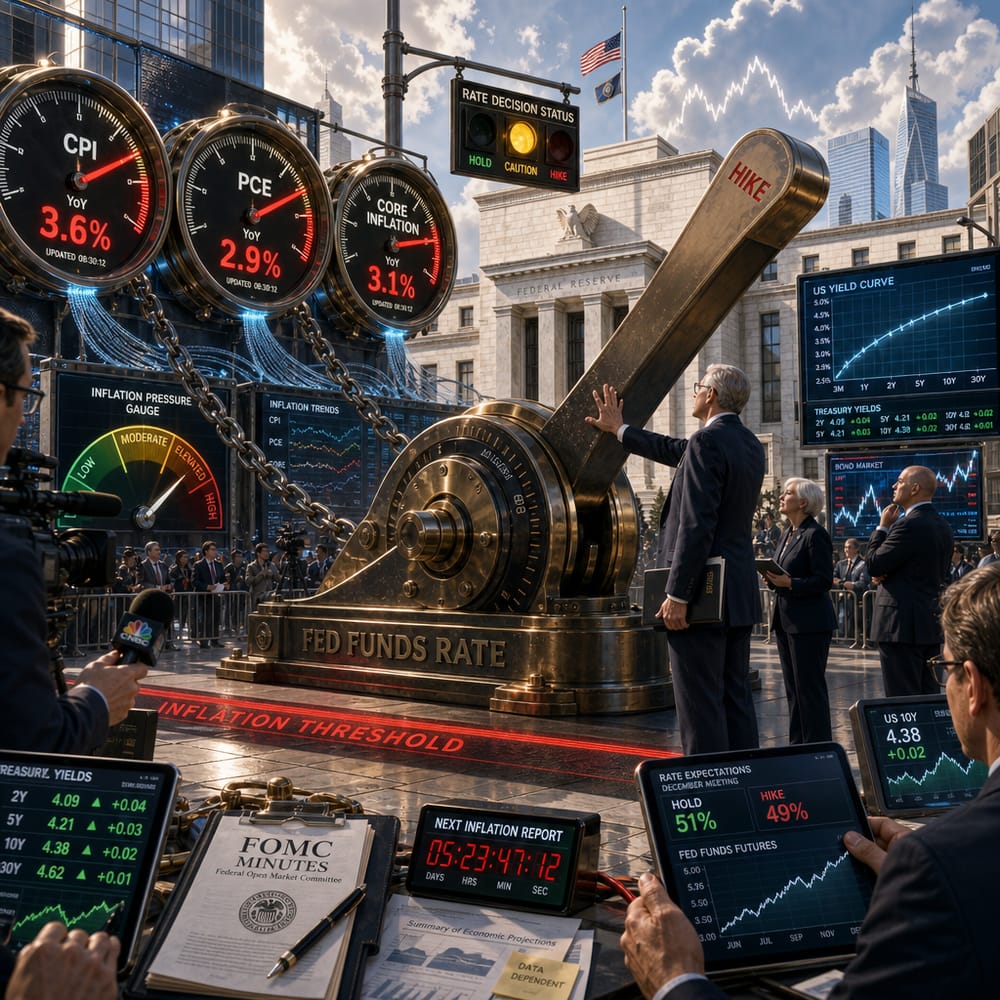
The recent minutes from the Federal Open Market Committee (FOMC) meeting are out, and they’re juicier than a tabloid scandal, minus the celebrity drama but packed with economic tension. The Fed is serious about curbing inflation, but how far they need to go depends entirely on incoming inflation data. Inflation indicators like the Consumer Price Index (CPI) and the Personal Consumption Expenditures (PCE) are now akin to fortune-telling tools, guiding the Fed's next move.
So, what inflation data will have Jerome Powell and his crew glued to their seats? The CPI, which measures the average change in prices paid by consumers for goods and services, is definitely on the Fed’s radar. If your grocery bill has made you feel a bit lightheaded recently, that's because the CPI is a key player in this inflation drama. Then there's the PCE, often dubbed the Fed’s preferred inflation gauge. It measures price changes in goods and services consumed by individuals. Think of it as the Fed’s secret sauce for inflation insights.
Now, let’s talk scenarios. If these inflation indicators start flashing red, brace yourself for more rate hikes. No, the Fed isn’t doing this to make your mortgage payments uncomfortable or to dampen the economy. It's about reining in inflation before it runs wild. A rate hike would mean higher borrowing costs, making everything from mortgages to car loans more expensive. It’s their way of telling us to cool our jets and stop splurging on that third latte of the day.
But what if inflation decides to take a chill pill? The Fed might just hit pause on the rate hikes, keeping borrowing costs steady. This scenario would be a collective sigh of relief for consumers and businesses alike, allowing economic growth to chug along without the added pressure of rising rates. However, the Fed's hawkish stance means they're ready to act if inflation misbehaves, so don’t get too cozy.
Now, before you start biting your nails, here’s why it matters. Every interest rate decision by the Fed sends ripples across the economy. It's like the first domino in a long chain. Higher rates typically slow down economic growth and can dampen investor confidence. But on the flip side, they can prevent the economy from overheating. It’s a balancing act, like juggling flaming torches while riding a unicycle.
So, what’s an investor to do? Keep your eye on the data. Inflation reports will be the canary in the coal mine signaling the Fed's next move. Prepare for volatility — markets love to react in dramatic fashion to any hint of a rate hike. Diversifying your investments might be a smart move, spreading risk across different assets to cushion against any sudden shocks.
In this data-driven economy, the Fed’s decisions aren’t just about numbers; they’re about the health of the entire financial system. So, while the FOMC minutes might not be as heart-racing as the latest Hollywood blockbuster, they’re a crucial chapter in the ongoing saga of economic stability. Whether the Fed raises or holds rates, the message is the same: keep your eyes peeled, because the plot is far from over.
This article is for informational purposes only and is not investment advice. Always do your own research or consult a licensed financial professional before making investment decisions.
© Copyright 2024. All Rights Reserved.
© Copyright 2024. All Rights Reserved.