

Fed Officials Signal Possible Rate Hikes Ahead If Inflation Doesn’t Moderate
Thursday, August 20, 2026
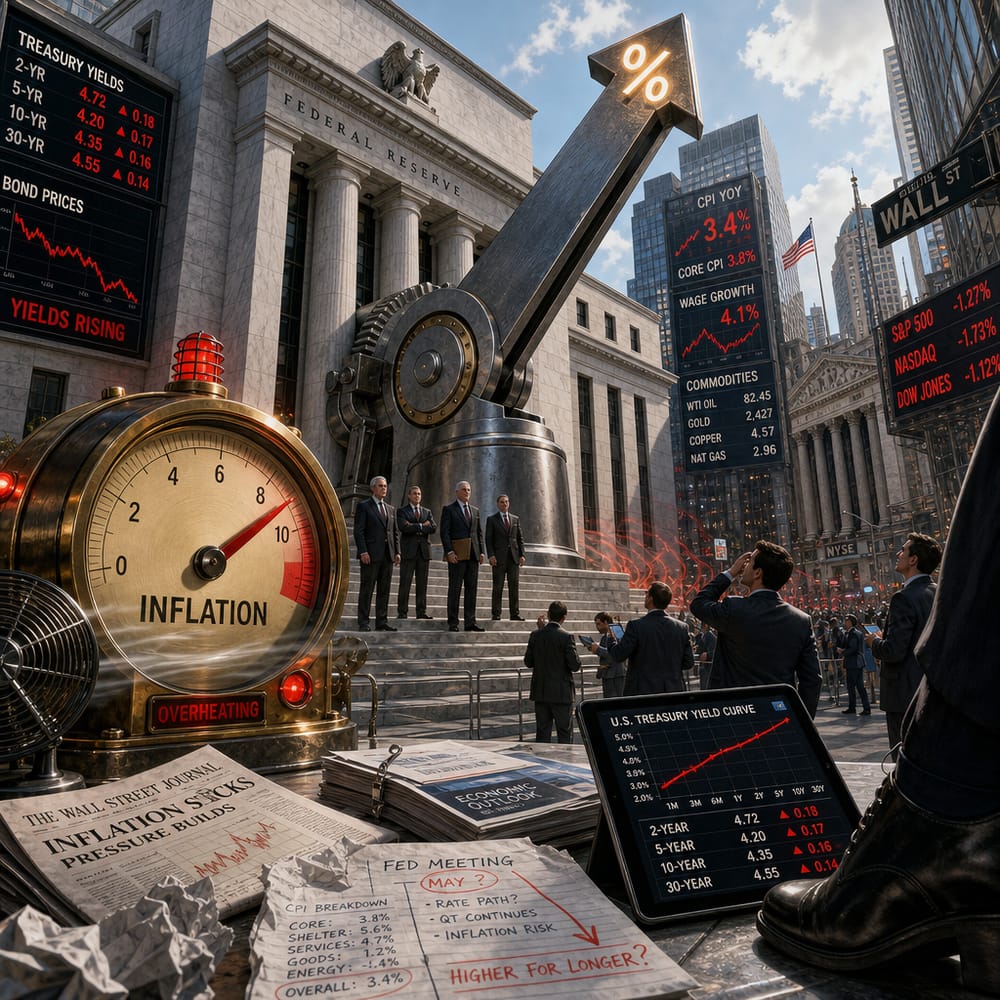
FED OFFICIALS SIGNAL POSSIBLE RATE HIKES AHEAD IF INFLATION DOESN’T MODERATE
Picture the U.S. economy as a car, cruising down the highway. Now imagine Federal Reserve officials as the cautious drivers behind the wheel, glancing nervously at the rearview mirror of inflation while gripping the steering wheel marked "interest rates." According to the latest minutes from their clubhouse meeting, they're eyeing the gas pedal, ready to hit the brakes if inflation doesn't start behaving itself soon.
Why all the pedal talk? Well, the Federal Reserve, often just called "the Fed," is tasked with keeping our economy in check. Their tool of choice? Interest rates. Think of interest rates as the price you pay to borrow money. When the Fed hikes rates, borrowing becomes more expensive, which can slow spending and cool down an overheated economy. Right now, many Fed officials are signaling they might need to crank those rates up again. If inflation doesn’t hop on the moderation train soon, they might not have a choice.
So, what's fueling the Fed's fire for potential rate hikes? Inflation, baby. It’s been lurking like leftovers in the back of your fridge for a while now, refusing to vanish. The Fed's recent minutes revealed a good chunk of officials are concerned that inflation hasn't quite packed its bags and left town yet. They're playing it safe, watching to see if it decides to settle down or stir up trouble.
RATE HIKES AND YOUR WALLET: FRIEND OR FOE?
If the Fed decides to jack up rates, what does that mean for your wallet? For starters, borrowing money for things like houses, cars, or that dream vacation could get pricier. The yields on U.S. Treasurys (government IOUs that influence everything from mortgage rates to credit card APRs) are already making moves, hinting that higher rates may be on the horizon.
Higher borrowing costs usually mean less spending, as people tighten their belts. Picture being at a party when the DJ turns off the music. Suddenly, everyone’s looking around, unsure if they should stick around or hit the exits. That's consumer spending in a nutshell when rates go up — a little more cautious, a little less free-flowing.
But it’s not all doom and gloom. If inflation cools, the Fed might ease off the rate-hike gas pedal, sparing your wallet from extra strain. And a bit of inflation control can be beneficial, curbing excessive price hikes in everything from your grocery bill to rent.
RISKS ON THE RATE HIKE ROAD
Now, you might be wondering, "Aren't rate hikes a bit risky?" Sure, they can be. The economy is a delicate beast. Push it too hard, and it could stumble into a recession, where growth slows down, and everyone feels the pinch. That’s a risk the Fed plays a balancing act with, ensuring it doesn't overdo it with rate hikes.
On the flip side, not acting aggressively enough could let inflation run wild, eroding your purchasing power and creating economic instability. It's like trying to keep a pet tiger in check. Let it get too comfy, and it might start snacking on your savings.
There are some potential bright spots, though. A cautious approach to rate hikes could yield benefits, such as stabilizing the economic landscape and fostering sustainable growth over the long term. It’s all about finding that sweet spot where inflation is manageable, and growth is steady.
THE BIG PICTURE
As we sit in the passenger seat of this economic ride, it’s crucial to keep an eye on what the Fed’s up to. Their interest rate tango affects not just Wall Street, but Main Street too. Every hike or hold impacts how much we pay for loans and how confident we feel about our financial futures.
In this high-stakes game of economic chess, the Fed is the grandmaster making moves to keep inflation in check. Whether they decide to hike rates or hold steady will depend on inflation's next move. For now, we watch and wait, hoping for a smooth ride on the road ahead.
This article is for informational purposes only and is not investment advice. Always do your own research or consult a licensed financial professional before making investment decisions.
© Copyright 2024. All Rights Reserved.
© Copyright 2024. All Rights Reserved.