

Fed Minutes Signal Potential Renewed Rate Hike If Inflation Doesn’t Ease
Saturday, August 22, 2026
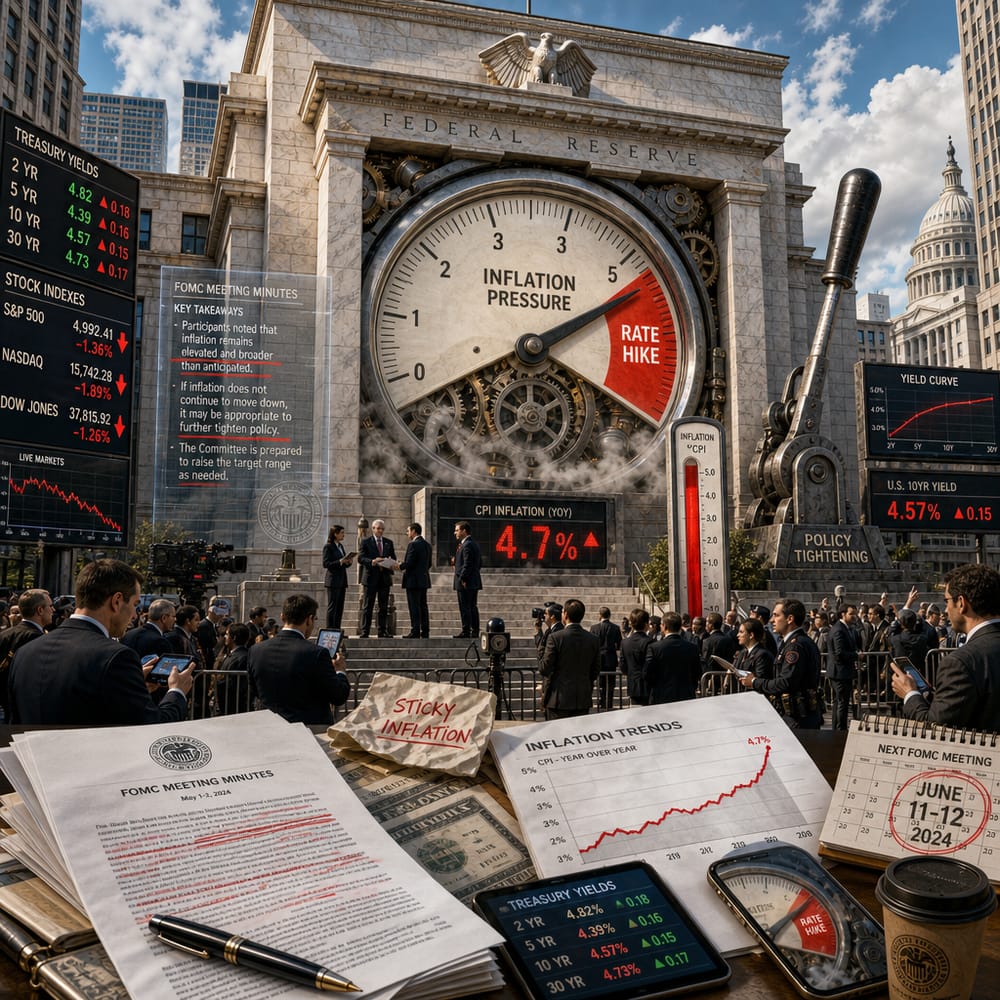
FED MINUTES SIGNAL POTENTIAL RENEWED RATE HIKE IF INFLATION DOESN’T EASE
The Federal Reserve has been snooping around inflation like a detective in a noir film, and if you’re still clinging to that 3% fixed mortgage like it’s the last coffee in the pot, brace yourself. The Fed's minutes made it clear: interest rates might hike again if inflation doesn’t back off. Yes, they’re serious, and no, your bank account doesn’t want to hear it either.
WELCOME TO THE ECONOMIC ROLLER COASTER
Remember that time you wondered if you'd ever stop paying off your student loans before your hair went grey? Well, the Fed’s potential rate hike might just extend that ticking clock. If inflation keeps flexing its muscles, the Fed may retaliate by making borrowing more expensive. And here's a fun fact: when borrowing costs go up, so do mortgage rates. So if you've been thinking about refinancing your house, the clock might just be ticking faster than your morning alarm.
THE HOUSING MARKET: BRACING FOR IMPACT
Picture this: you're buying your dream home, and just as you're about to sign on the dotted line, interest rates shoot up. That 3-bedroom beauty with the white picket fence suddenly looks a little less attainable. Higher interest rates could put a damper on the housing market, as it makes mortgages pricier, potentially slowing down home sales and putting a chill on rising home prices. If you’re a homeowner, that might mean less equity in your pocket. Potential buyers? You might be looking at a smaller yard when the dust settles.
STOCK MARKET JITTERS
Have you ever seen the stock market react to rate hike whispers? It’s like watching a cat spot a cucumber — panic all around. Investors have been jittery, and any sign of a rate hike sends some jumping ship. Higher interest rates often lead to higher borrowing costs for companies, which can mean lower profits and, ultimately, lower stock prices.
Equities have been riding a wave of optimism lately, buoyed by a stable economic outlook and relatively low rates. But if the Fed decides to tighten the reins, that could change. Companies with heavy debts could face increased interest payments, shrinking their profit margins. That’s when you might see some poor-performing stocks start to sweat under investors' microscopes.
SECTOR SHAKE-UP
Some sectors might feel the pinch more than others. Consumer discretionary stocks, which include retailers and restaurant chains, might struggle as consumers tighten their belts. Conversely, financials could benefit from higher interest rates, which means more profit from loans for banks. And if you're invested in tech or growth stocks, brace yourself — they often take a hit when rates rise because the future cash flows are worth less in today’s dollars.
BORROWING BLUES
Personal loans, credit cards, auto loans — you name it, they’ll likely become more expensive. If you’ve been thinking about splurging on a new car, or your credit card balance isn’t getting any smaller, now might be the time to reevaluate those spending habits.
FINAL THOUGHTS
There's no need to panic just yet — the Fed isn’t pulling the trigger immediately. They’re watching the inflation numbers like a hawk before making a move. But if inflation refuses to simmer down, it might be time to buckle up for a tighter borrowing environment.
Bottom line? Stay informed and keep an eye on how these potential rate changes might affect your personal financial landscape. With a little planning, you'll be prepared, even if the Fed decides to make a move. Or, you know, maybe just start a piggy bank fund labeled "Just In Case the Fed Hates My Wallet.”
This article is for informational purposes only and is not investment advice. Always do your own research or consult a licensed financial professional before making investment decisions.
© Copyright 2024. All Rights Reserved.
© Copyright 2024. All Rights Reserved.