

Fed Minutes Signal Potential Further Rate Hikes if Inflation Does Not Ease
Wednesday, August 19, 2026
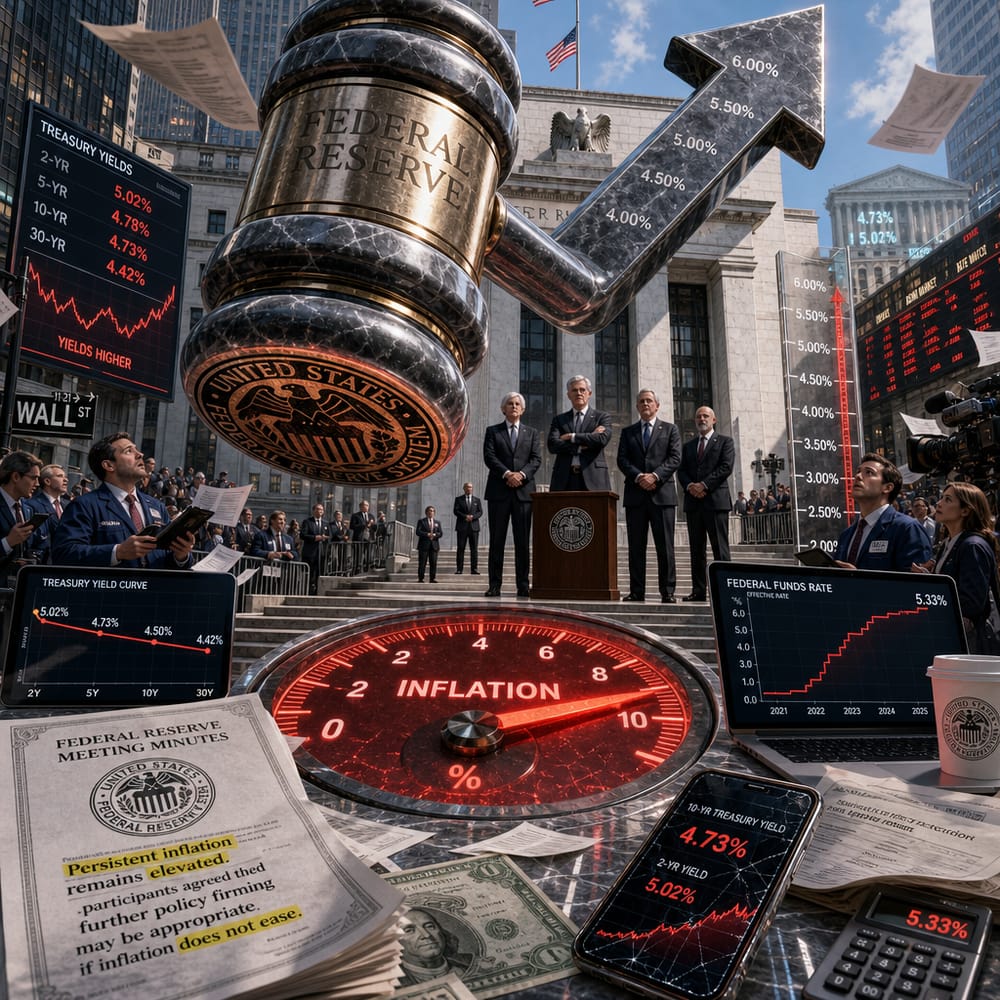
WHEN THE FED TALKS, WE LISTEN: WHAT POTENTIAL RATE HIKES MEAN FOR YOUR WALLET
It’s that time again, folks: The Federal Reserve has dropped its latest meeting minutes, like a Netflix show you weren’t expecting but can’t stop watching. And yes, it’s got your mortgage, your business plans, and maybe even your retirement on edge. The July meeting notes, released recently, didn’t beat around the bush: The Fed is still worried about inflation, and it’s not afraid to wield another rate hike or two to keep it in check if needed.
So, why should you care if Jerome Powell and his merry band of economists are hinting at further rate hikes? For starters, higher interest rates can mean things are about to get a bit more expensive, especially if you’re planning to borrow money anytime soon. Let’s break it down, with all the melodrama this economic opera deserves.
THE HOUSING MARKET: A RATE HIKE’S FAVORITE VICTIM
Let’s talk about your humble abode—or at least the one you were dreaming of buying. Higher interest rates mean higher mortgage rates. Picture it: You’re staring at that beautiful 3-bed, 2-bath dream home, and suddenly, the monthly payment jumps into “not in this lifetime” territory. Even a small rate hike can put a significant dent in affordability, making homes pricier than a Manhattan avocado toast.
But it's not all doom and gloom. If you’re a homeowner with a fixed-rate mortgage, consider yourself shielded in your financial fortress. The real estate market might slow down, but your interest rate stays locked. However, if you were hoping to refinance or buy a vacation home, you might want to rethink that beachside retreat. And for renters, brace yourself: Landlords could pass on their higher borrowing costs to you.
BUSINESS PLANS: RETHINKING YOUR STRATEGY
Meanwhile, businesses might have to sift through their investment strategies like teens picking toppings at a fro-yo shop. Higher rates make borrowing costly, meaning companies could pull back on expansion plans. It’s as if the Fed is saying, “Hey, slow down, tiger.”
This can ripple across the economy, impacting everything from job growth to innovation. Picture tech startups putting that next killer app on ice because raising funds just got pricier. Or retail giants like Target (which just celebrated a spicy quarterly earnings boost thanks to tariff refunds) rethinking store expansions or upgrades. While some businesses might have the cash reserves to weather the storm, others will tighten their belts.
But hold your horses—higher rates aren’t a straight-up villain. They can cool down overheating economies and prevent inflation from turning your dollar into mere Monopoly money. So while businesses might pause, they might also be avoiding overheated decisions that lead to more significant problems down the line.
TREASURY YIELDS: A NEW DRAMA UNFOLDS
On the flip side of the coin, the Treasury bond market is having its own soap opera moment. With the Treasury Department doubling its debt repurchases, long-term yields have seen some relief, but the drama isn’t over. Investors are betting on what future Fed moves will mean for inflation and growth, treating Treasury yields like they’re ticking off events on their economic bingo cards.
Rising yields can translate to higher borrowing costs for Uncle Sam, but they also mean savers might finally get a sliver of decent returns on their savings accounts—something that’s been as rare as a unicorn latte in recent years.
The tug of war between inflation fears and rate hikes is a balancing act as delicate as a soufflé. If the Fed chooses more rate hikes, it could stabilize inflation but slow economic growth. And all eyes are on the Fed to see just how they’ll play this hand.
SO, WHAT’S A SMART INVESTOR TO DO?
As the Fed plays its cards, keeping a diversified portfolio is as timeless an advice as “don’t put all your eggs in one basket.” Think about fixed-income investments; bonds might become more appealing if interest rates rise. For the equity lovers, tech and growth stocks might take a hit, while dividend-paying stocks could offer more stability.
In short, stay informed and flexible. The economic soap opera is far from over, and in this season, anything can happen. Keep your financial plans as adjustable as your favorite pair of stretchy pants—ready to adapt as the plot twists unfold.
In the end, whether you’re buying a home, running a business, or just trying to keep your savings intact, knowing what the Fed is up to can make all the difference. So keep those notifications on, and maybe, just maybe, you’ll navigate these economic waters like a pro.
This article is for informational purposes only and is not investment advice. Always do your own research or consult a licensed financial professional before making investment decisions.
© Copyright 2024. All Rights Reserved.
© Copyright 2024. All Rights Reserved.