

Fed Minutes Signal Another Rate Hike Likely in 2026
Saturday, October 10, 2026
FED MINUTES SIGNAL ANOTHER RATE HIKE LIKELY IN 2026
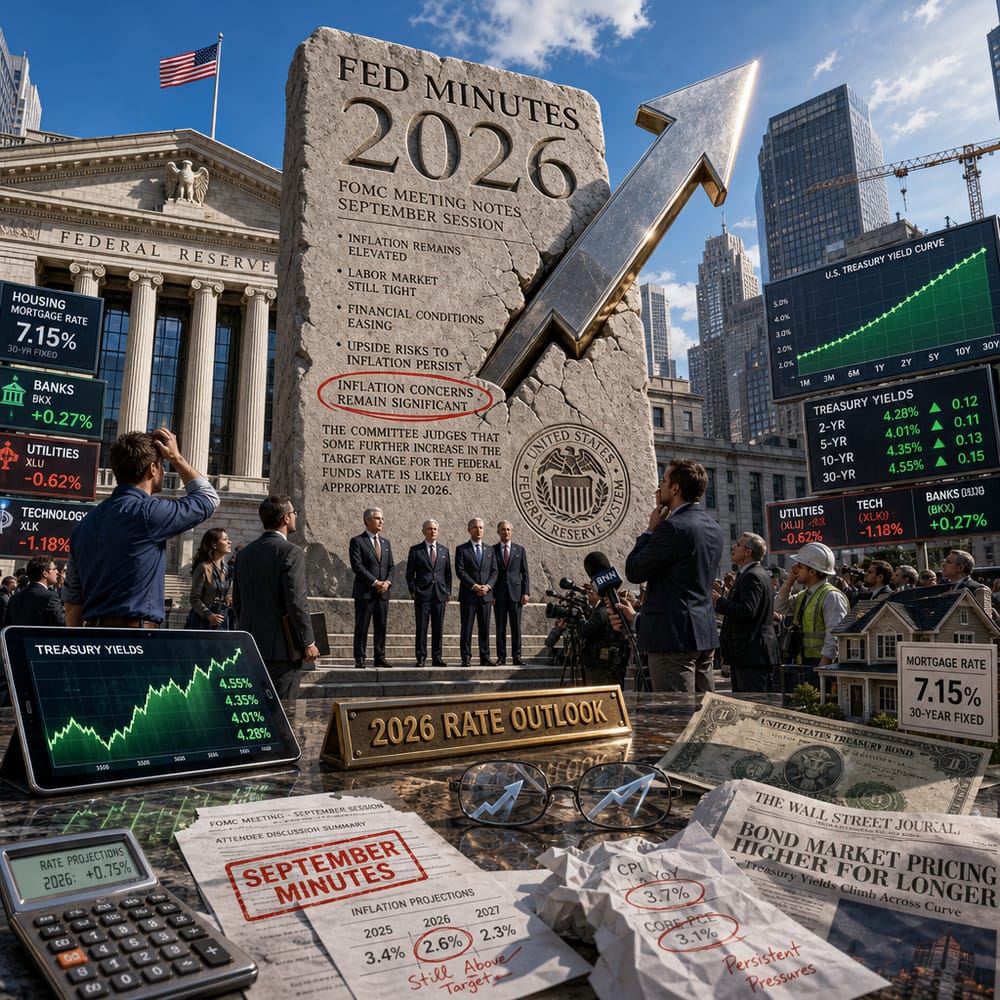
In the immortal words of everyone who’s ever struggled with their credit card debt: buckle up, folks. The Federal Reserve has given us a sneak peek into its September meeting minutes, and it's serving up a dish that might not sit well with your wallet — another interest rate hike is likely heading our way by the end of 2026. Why? To once again dance the inflation tango, a performance no one seems to enjoy but we can’t seem to avoid.
Now, before you start hyperventilating about your mortgage rate or the next car purchase, let’s break down what this means for you, your wallet, and the economy at large. Because if the Fed’s mysterious musings are anything to go by, this has ripple effects that’ll touch everything from the couch you finance on Black Friday to the stocks you pick for your retirement fund.
A RATE HIKE'S IMPACT ON CONSUMER SPENDING
First up, let's talk about you and your spending habits. A rate hike generally means higher borrowing costs. Translation: whether you’re swiping that credit card, eyeing a new auto loan, or considering a home refinance, it could soon be pricier to borrow money. This isn’t just a concern for the big spenders among us; even everyday purchases could start to feel more painful as interest accumulates like dust in a forgotten attic.
The potential squeeze on consumer spending is significant because, let's face it, our spending is the gasoline fueling this economic engine. When borrowing costs rise, wallet-watching becomes a pastime for many Americans. This means fewer trips to the mall and more nights eating leftovers instead of dining out. And with consumer sentiment already dipping, as recent reports suggest, a rate hike could make the cautious even more conservative.
WHICH SECTORS ARE FEELING THE HEAT?
Now, let's shift gears and see which sectors might find themselves in the Fed's crosshairs. First in line for a mild panic attack are interest rate-sensitive sectors. Think real estate and financial services. Higher interest rates can temper the housing market’s heat, potentially putting a chill on home sales and construction as mortgages become more expensive. And if you've dipped a toe into those finance stocks, remember: banks might see profits rise with higher rates, but if lending slows, that enthusiasm could be short-lived.
Over in tech land, the story is a mixed bag. Companies with heavy debts might find their interest payments ballooning, slicing into profits. And while high-growth tech stocks have been the darlings of Wall Street, they typically rely on cheap capital to fund innovation. With rates on the rise, investors could turn a wary eye towards these risk-laden innovators in favor of safer bets.
LET'S TALK TREASURY YIELDS
Ah, Treasury yields. They’ve been climbing like they’re training for Everest, hitting the highest levels since 2002. The prospect of a rate hike suggests they could keep on trekking. Higher Treasury yields usually mean stocks are less attractive, since safe government bonds are dishing out better returns. But, savvy investors looking for dividends might just find this to be the perfect time to double down on dividend-growth stocks that offer inflation-buffered cash flows.
Because, when in doubt, let dividends lead the way. For those not keen on trading in high anxiety for high risk, focusing on companies with strong, reliable dividend histories (hello, Johnson & Johnson and Realty Income) could be a smart move.
THE BIGGER PICTURE
With the Fed’s likely maneuver to raise rates, the message is clear: inflation is the boogeyman, and they're determined to keep it from wrecking the economic party. But there’s a balancing act at play. Too aggressive, and they risk tipping the economy into recession. Too timid, and inflation will eat its way through the purchasing power like termites through wood.
So what’s an investor to do? Stay informed and diversified. Your portfolio should be a reflection of different sectors and strategies, not a one-trick pony galloping towards potential peril.
In the coming months, keep an eye on the Fed’s moves, but don’t let them dictate every market decision. There are opportunities even in a rising rate environment; you just need to know where to look and, more importantly, when to leap. After all, the market is nothing if not an ever-changing landscape, and those who adapt, thrive.
This article is for informational purposes only and is not investment advice. Always do your own research or consult a licensed financial professional before making investment decisions.
© Copyright 2024. All Rights Reserved.
© Copyright 2024. All Rights Reserved.