

Fed Minutes Reveal Potential Rate Hikes Amid Inflation Concerns
Monday, August 24, 2026
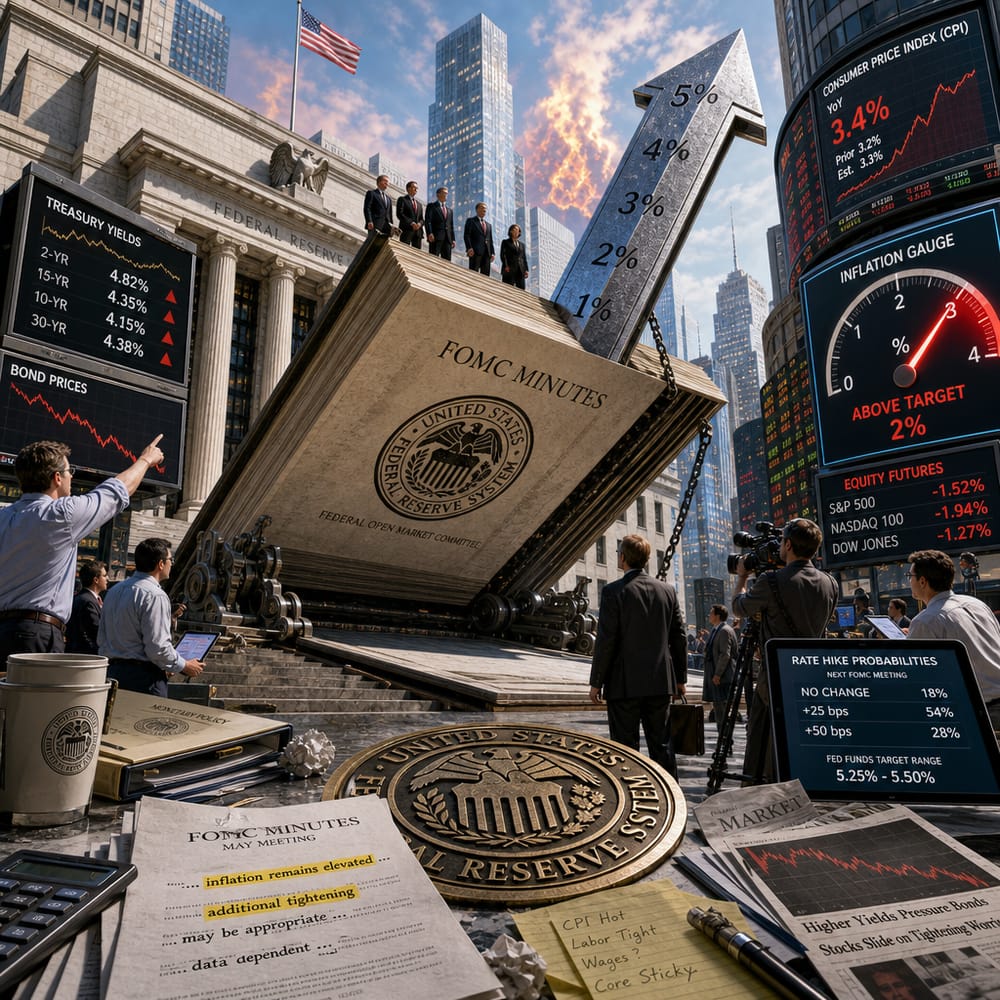
FED MINUTES REVEAL POTENTIAL RATE HIKES AMID INFLATION CONCERNS
Brace yourselves, folks—your wallet might be in for a wild ride. The Federal Reserve just dropped some juicy minutes from their July meeting that might have you rethinking that new car loan or home renovation. It turns out, several members of the Federal Open Market Committee (FOMC) are playing footsie with the idea of raising interest rates. Why? Because inflation is like that clingy ex—it just won’t go away.
INFLATION: THE UNINVITED GUEST
Roll out the red carpet for inflation, the uninvited guest that's been crashing the economy's party, and it seems it’s showing no signs of leaving. See, the Fed’s big mission is to keep inflation in check, ideally around 2%. But when prices start acting like they're auditioning for a talent show—up, up, and away—the Fed gets twitchy. And as per the recently released minutes, several Fed officials said they’d be open to hiking rates if inflation refuses to settle down.
Now, just because they’re considering it doesn’t mean it’s a done deal. But picture this as a warning shot across the bow of your financial ship: Higher interest rates could soon be anchoring down your budget.
MARKET REACTIONS: A POTENTIAL ROCKY ROAD
If the Fed decides to pull the trigger on rate hikes, expect the stock market to feel the jitters. For one, higher rates make borrowing more expensive, which can squeeze company profits. That lovely tech stock that’s been posting astronomical growth might start looking less shiny. Why park money in volatile stocks when you can get juicier returns with safer bonds? Jim Cramer may not love talking about bonds, but with higher long-term rates, expect them to grab your attention—and your investment dollars.
And it's not just stocks that get the short end of the stick; sectors like real estate could also feel the pinch. When borrowing costs rise, those monthly mortgage payments start looking a lot less friendly, chilling demand in housing markets that have been red-hot for years.
CONSUMERS AND BUSINESSES: BUCKLE UP FOR SOME BELT-TIGHTENING
Alright, let’s cut to the chase. What does this mean for you? Well, expect your credit card debts and loan payments to get heavier. That interest-free shopping spree? Not in this economy. It's time to batten down the hatches and maybe reconsider that luxury vacation.
For businesses, higher interest rates can mean tougher times ahead. Imagine trying to expand your budding empire or launch a new line of products when borrowing costs are through the roof. That ambitious project might have to wait in line behind more immediate financial priorities.
LOOKING FORWARD: A HAWKISH TURN
So, how should you navigate these choppy waters? First, keep an eye on inflation numbers. The Fed's next steps hinge heavily on this unpredictable beast. If it keeps soaring past 2%, the Fed might just turn hawkish, focusing more on combating inflation than fostering growth.
If you're an investor, consider diversifying your portfolio. Those tech stocks have had a good run, but maybe it’s time to sprinkle a little love on bonds or defensive stocks—think utilities or consumer staples—that tend to weather economic storms better.
And if you’re a consumer, start rethinking those high-interest debts. Lock in fixed rates before they climb higher, and bolster that emergency fund, just in case your financial situation gets tossed in the economic blender.
THE BOTTOM LINE
In the end, while the Fed’s potential rate hikes aren’t set in stone, they’re a flashing neon sign of where things could be headed. Inflation is testing the Fed's resolve, and as they weigh interest rate hikes, your financial decisions might need a fresh coat of strategy. So, keep your ears to the ground and your wallet close, because the Fed’s next move could set the beat for the economy's dance.
This article is for informational purposes only and is not investment advice. Always do your own research or consult a licensed financial professional before making investment decisions.
© Copyright 2024. All Rights Reserved.
© Copyright 2024. All Rights Reserved.