

Fed Minutes Reveal Potential Rate Hike if Inflation Persists
Friday, August 21, 2026
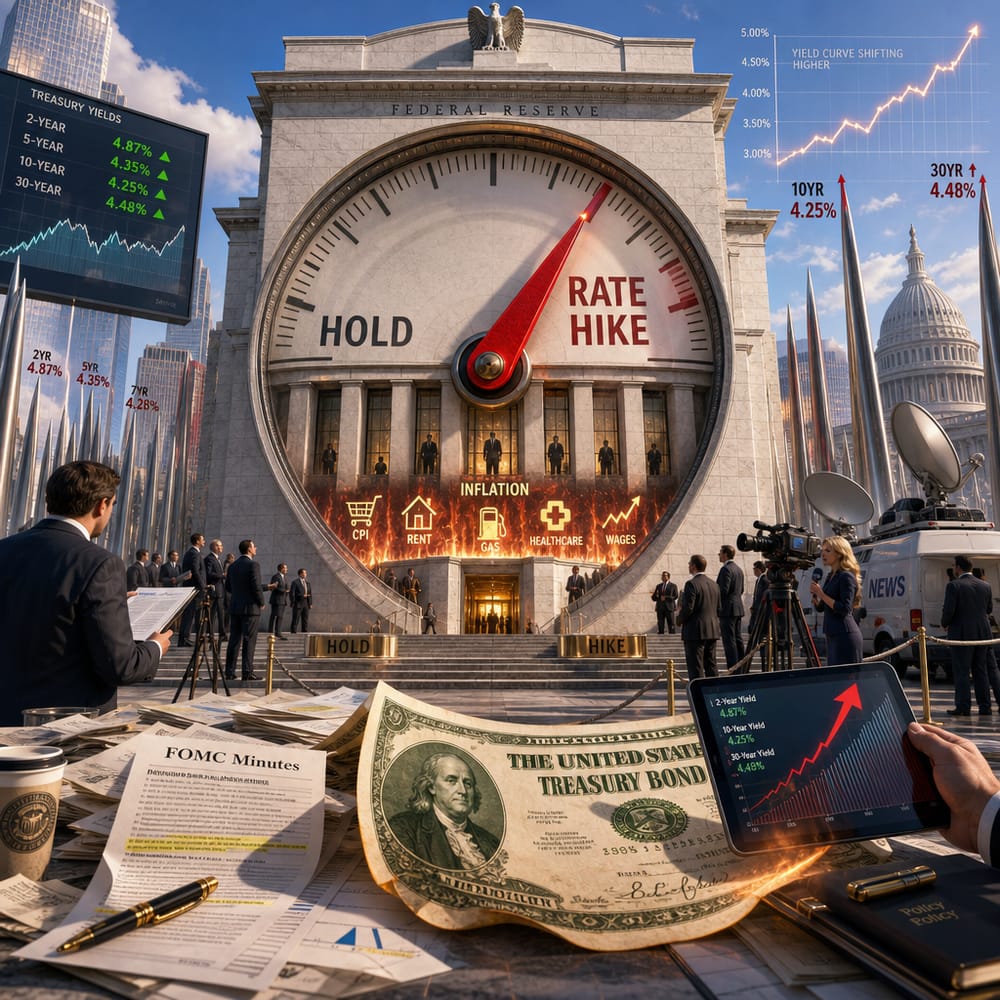
Forget pumpkin spice lattes; the real heat this fall is coming from the Federal Reserve. The latest minutes from the Fed’s clandestine meetings have hit the water cooler circuit, and they’re as juicy as a soap opera cliffhanger: If inflation doesn't simmer down pronto, we're looking at a potential rate hike. Yes, you heard that right. Just when you thought your wallet might catch a breather, the Fed might drop the hammer harder.
This rate hike chatter isn't just noise for financial nerds; it's a seismic rumble that could reshape the landscape of how we spend, borrow, and invest. So, what's the skinny on a potential rate hike? Let's dive into the implications of the Fed playing heavy metal with interest rates and what it means for you.
First, let's talk borrowing. A rate hike would crank up the cost of borrowing for just about everyone. Mortgages, car loans, credit cards—you name it. Remember those practically-free money days to buy a house or refinance? Well, they may just fade into a sepia-toned memory. If you're looking to buy a home or car, brace yourself; you might need to dig deeper into your pockets or settle for something a bit more 'cozy.'
Meanwhile, our good friend the consumer, who happily fuels two-thirds of the U.S. economy, might start taking a rain check on spending sprees. Higher borrowing costs mean less disposable income, and that could make retail therapy a much more serious affair. When consumers tighten their belts, it’s a ripple effect that can slow down the entire economy. Fewer trips to the checkout line mean retailers feel the squeeze, and businesses could start seeing their profits in the slimming club.
For sectors like housing and automotive, higher interest rates are like kryptonite. These industries thrive on consumers' ability to finance large purchases cheaply. Should rates rise, expect a chill to sweep through these markets faster than you can say "winter is coming."
But hold up, it's not all bad news. Some sectors actually thrive when rates rise. Banks, for instance, could see a windfall from higher interest rates. They can earn more from the spread between what they pay depositors and what they charge borrowers. So if you've got some banking stocks tucked away, keep an ear out for the sound of cash registers.
Then there’s the usual suspect in this high-stakes drama: Treasury yields. Already, the longer-dated Treasury yields are staging something of a comeback, making those bonds more attractive to investors. But don’t whip out your checkbook just yet. Rising yields also signal that borrowing costs for Uncle Sam are on the up and up, and we all know how the dominoes fall when the government starts paying more to service its debt.
Let's not forget about the elephant in the room: inflation. If the Fed's hawks win the day and rates do rise, it’s primarily because inflation is sticking around longer than your last house guest. The central bank’s tool of choice for cooling inflation is to make borrowing more expensive, thereby slowing down spending and, in theory, reducing price hikes. It's a delicate dance, and getting it wrong could spell trouble—too much of a hike and we risk a recession; too little, and we’re back to skyrocketing prices.
But what about investors who feast on risky assets? Well, volatility could be the name of the game. Stocks, especially tech darlings who’ve been living large on low borrowing costs, could see a shake-up. Rate-sensitive sectors might waver as investors reassess growth prospects in light of costlier capital. It might be time for some strategic shuffling in your portfolio.
In short, these Fed minutes have set the stage for a high-stakes economic shift. The possibility of a rate hike is a signal flares to prepare and strategize. Keep your eyes peeled on consumer spending trends, sector performance, and yields. And remember, knowledge is power, especially when it comes with a side of interest rates.
This article is for informational purposes only and is not investment advice. Always do your own research or consult a licensed financial professional before making investment decisions.
© Copyright 2024. All Rights Reserved.
© Copyright 2024. All Rights Reserved.