

Fed Minutes Highlight Lingering Inflationary Risks Despite Soft Data
Tuesday, August 25, 2026
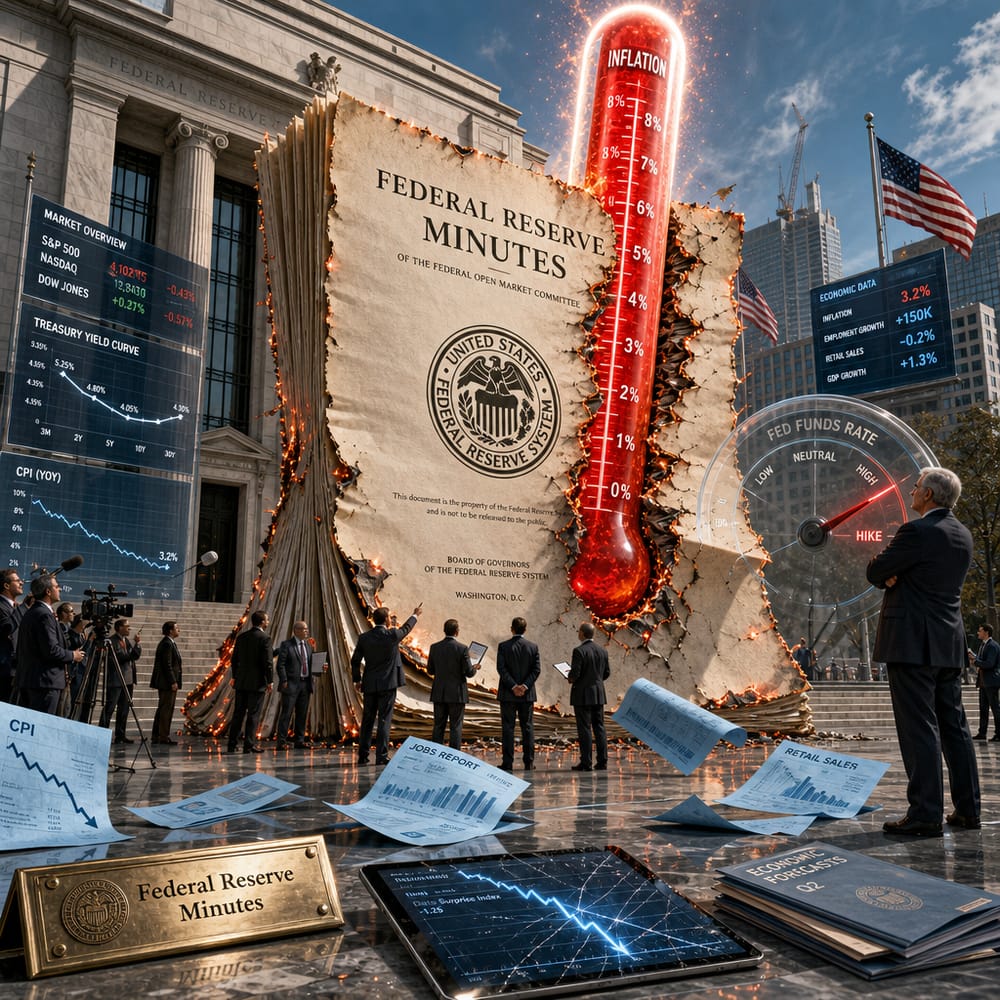
FED MINUTES HIGHLIGHT LINGERING INFLATIONARY RISKS DESPITE SOFT DATA
If someone told you inflation is like diet soda — artificially sweet and always lurking in the background — you might roll your eyes. But the latest Federal Reserve minutes are giving us a sour sip of reality: inflationary pressures aren’t just fizz; they might be the real deal. While the economic landscape is showered with soft data — think tepid GDP growth and a not-so-hot labor market — the Fed’s minutes are screaming, “Hey! We might still need to jack up those rates!” So, let’s dive into what’s making the Fed itchy about inflation and what it means for your wallet.
First, let’s talk about those lingering inflationary risks. The Fed is seeing pesky price hikes in various sectors that refuse to simmer down. It’s like whack-a-mole, where every time one area calms, another pops up. Supply chain snarls, once as common as coffee runs, have mostly unwound, but persistent wage growth and housing costs are still throwing shade. The kicker? The Fed’s worried these inflations aren’t just passing whispers but might be belting out an entire chorus if left unchecked.
Now, how does this inflationary itch affect the Fed's rate decisions? Imagine you're playing a game of economic poker. You keep your cards close and every move counts. The Fed's card counting? It’s centered around one thing: keeping inflation in check without putting the economy in a sleeper hold. If inflation doesn’t ease up, expect the Fed to consider another rate hike. It’s like giving everyone a strong cup of espresso — it perks up interest rates and, in turn, borrowing costs. Mortgages, car loans, you name it — they’ll all feel the pinch.
So, what’s at stake here? A lot. For one, rate hikes might slow down economic growth. Picture this: businesses tightening their belts as borrowing costs rise. Fewer shiny new stores or factories could mean slower job growth, which can ripple through the economy. And that’s not all — your favorite investment portfolios might also feel the heat. With higher rates, bonds become the cool kid on the block, potentially overshadowing the allure of stocks and other riskier assets.
And let’s not forget the consumer — you, me, and Aunt Patty’s shopping spree for the holidays. As interest rates climb, everything from credit card debt to personal loans becomes dearer. You might find yourself double-thinking that big-ticket splurge or eyeing your budget like a hawk. It’s not all doom and gloom, though. Savvy savers can find solace in potentially higher returns on savings accounts and CDs (certificates of deposit, not compact discs — but hey, let’s bring those back too!).
But wait, you ask, isn’t the economy supposed to be cooling down? Yes, sort of. While some data has shown softer economic activity, the Fed is keeping its eyes on what it calls “sticky” inflation — the kind that doesn’t just float away with a gentle breeze. They’re playing a cautious game of wait-and-see, keenly watching incoming data to guide their next move.
In conclusion, the Fed minutes are a sobering reminder that inflation still has a pulse, thumping steadily beneath the surface. While the economic data cocktail might be mixed, the Fed isn’t ready to put its rate hike tools away just yet. So, keep an eye on those inflation metrics and the Fed’s next steps. It might just be the difference between a robust economy and a sluggish one. And remember, in the grand scheme of things, a little inflation might just be the necessary caffeine jolt for a healthy economy — just not too much, lest we all get the jitters.
This article is for informational purposes only and is not investment advice. Always do your own research or consult a licensed financial professional before making investment decisions.
© Copyright 2024. All Rights Reserved.
© Copyright 2024. All Rights Reserved.