

Fed Liquidity Spotlight: $27.6B in OMO—Is Reaction Enough?
Tuesday, July 14, 2026
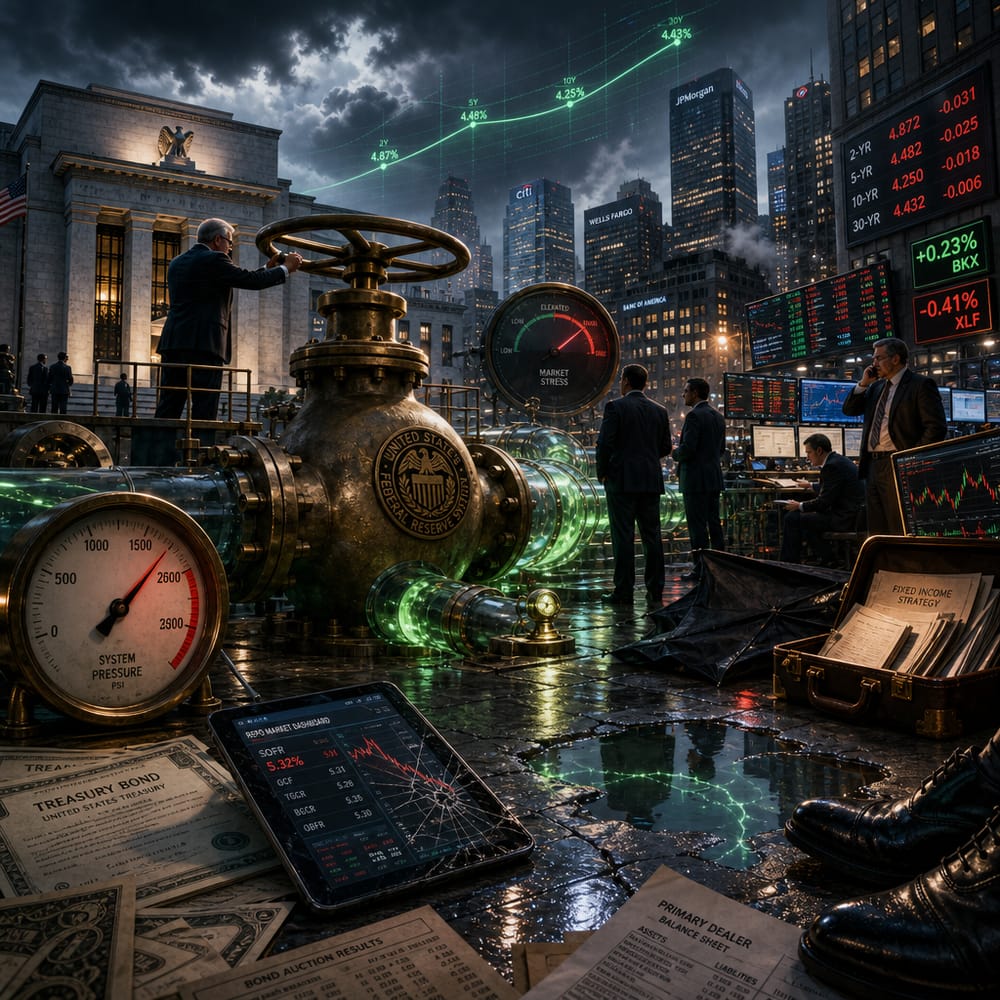
Forget about late-night binge-watching; the real drama this week is happening right under our noses in the world of finance. Picture this: The Federal Reserve, aka the "Central Bank of Mystery," just dropped a cool $27.6 billion into the economy through something called OMO, or open market operations. So, what's going on? Is this a subtle market intervention or just a friendly gesture? Buckle up, because this ride might get bumpy.
Let's talk liquidity—the financial system's lifeblood. Imagine your favorite coffee shop on a Monday morning: customers line up, but the barista can't brew the espresso fast enough. That's a liquidity crisis, and nobody wants that. The Federal Reserve's recent splurge might suggest they're stepping in to ensure the caffeine keeps flowing smoothly, keeping markets stable and investors caffeinated.
But how much liquidity is enough? It's like asking if you need whipped cream on your double-shot macchiato—sure, it's extra, but it's comforting. The Fed's actions hint at underlying market stress, but they're playing coy about the exact reasons. Are bonds being too clingy? Is there a fear of replaying 2008's hit drama, "The Financial Crisis"? The message is as clear as a barista's scribble on a coffee cup.
Here's the scoop: Bond yields, the interest rates on government debt, are acting like unpredictable teenagers. Yields have been flirting with new highs, surging in response to anticipated Fed rate hikes and global tensions reminiscent of a high-stakes poker game. Every move is watched, fingers crossed for a jackpot—or at least avoiding going bust. The Fed's liquidity measures might just be an attempt to calm the jittery nerves of bond traders who are otherwise tempted to fold.
But is the market getting complacent, thinking the Fed will always have its back? It's like assuming that coffee shop will always have your favorite blend. Spoiler alert: they run out sometimes. While the Fed's interventions can soothe short-term nerves, overconfidence in their safety net might lead to risky market behavior. Investors need to be smart and not just ride the Fed's coattails.
And speaking of smart moves, let's not forget the financial stocks that resemble poker players with aces up their sleeves. Big banks like JPMorgan Chase, Bank of America, and their ilk are caught between a rock and a hard place, facing earnings reports while the Fed plays its liquidity tune. With rising interest rates, these financial juggernauts could see their profit margins swell or contract quicker than a barista's foam art. Their upcoming earnings will be a litmus test for the entire market.
Meanwhile, the world outside Wall Street isn't sitting idle. Trump’s decision to reinstate a blockade on Iran has sent oil prices skyrocketing, with traders and consumers bracing for potential fallout. It’s a reminder that while the Fed is juggling financial markets, geopolitical tensions could spoil the whole show. The oil spike might just be the caffeine jolt that sends inflation spiraling, forcing the Fed to reassess its plans.
So, where does this leave us? The Fed's $27.6 billion injection raises more questions than answers. Is it the caffeine shot the economy needed, or are we about to crash from a sugar high? Investors need to stay sharp, keeping an eye on the subtle cues from the Fed, oil markets, and those unpredictable bond yields. The financial landscape is a maze, and we’re all just trying to find the exit without stepping into a bear trap.
In conclusion, whether you're a retail investor trying to make sense of these market machinations or just a curious soul fascinated by the Fed's every move, remember this: markets are unpredictable, much like that barista's handwriting. Stay informed, stay skeptical, and remember that in finance, just like in life, nothing is ever as simple as it seems. Now, go grab that coffee and get ready for what's next.
This article is for informational purposes only and is not investment advice. Always do your own research or consult a licensed financial professional before making investment decisions.
© Copyright 2024. All Rights Reserved.
© Copyright 2024. All Rights Reserved.