

Fed Governor Michael Barr Signals Additional Rate Hikes as Inflation Persists
Wednesday, September 23, 2026
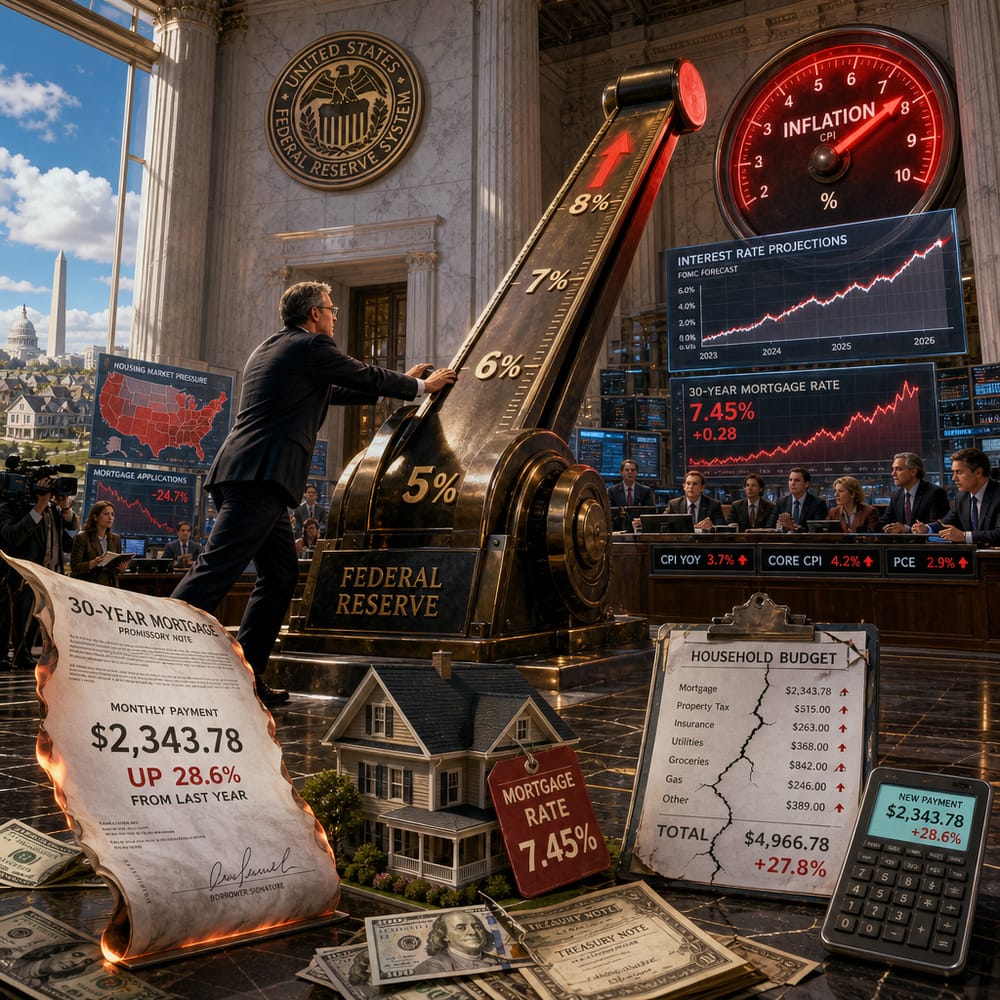
RATE HIKES ON THE HORIZON: WILL YOUR MORTGAGE RATE BECOME A NIGHTMARE?
Hold onto your wallets, folks. If you thought the Federal Reserve was done with tossing interest rate hikes at us like Oprah handing out cars, think again. Fed Governor Michael Barr just dropped a bombshell that has everyone from Wall Street titans to your average Joe sipping his morning coffee in a tizzy. More rate hikes are likely coming, all in a desperate attempt to curb this runaway inflation train we've been riding.
Barr's comments come hot on the heels of last week's rate increase, leaving many to wonder if the Fed is now channeling its inner Rocky Balboa, ready to go the distance in this inflation fight. But what does this mean for you, the retail investor? Let's break it down, shall we?
IMPACT ON THE HOUSING MARKET
First things first—let's talk about the housing market. If you're house hunting, you may want to sit down for this one. With each rate hike, the cost of borrowing money for big-ticket items like homes becomes more expensive. We're talking 30-year mortgage rates potentially ticking upward like some kind of financial doomsday clock. The higher these rates go, the fewer people will be able to afford those dream homes with the white picket fence, which could lead to a slowdown in the housing market.
For those who already own a home, if you’ve got an adjustable-rate mortgage or are still in the early years of a fixed-rate loan, you may find your monthly payments inching up, adding strain to your budget. This isn’t just a blow to potential buyers or current homeowners, but also to the broader economy. As home sales slow, industries tied to real estate—think construction, home improvement, and real estate services—might start feeling the pinch.
THE RIPPLE EFFECT ON CONSUMER SPENDING
Now, let's pivot to consumer spending. With higher interest rates, borrowing becomes more expensive not just for homes but for everything—from cars to credit cards. If you're used to swiping plastic without a second thought, remember this: the more you owe, the more you pay in interest when rates are high. It’s like a financial two-by-four to the back of the head for anyone carrying credit card debt.
Higher borrowing costs generally mean consumers spend less, which is a real punch in the gut for an economy that thrives on consumer spending. The retail sector could find itself in a world of hurt as people tighten their belts, opting to save rather than splurge on that fancy espresso machine they’ve been eyeing.
WILL THE FED'S STRATEGY WORK?
Here’s the hundred-thousand-dollar question: will these rate hikes actually bring inflation to heel? It’s not as straightforward as we'd like. While higher rates can cool demand, which theoretically helps lasso inflation, it's a delicate dance. Go too hard, and you risk stalling the economy into a recession. It's like trying to trim a bonsai tree with a chainsaw—you can achieve your goal, but the collateral damage might not be worth it.
The recent spike in Treasury yields is already a flashing red light. The 10-year yield, a critical indicator used to set everything from mortgage rates to car loans, recently jumped to a level we haven’t seen since the heyday of flip phones in 2007. Investors are betting big that the Fed will continue its hawkish rate strategy, but this could mean pain for consumers and businesses relying on cheap credit.
WHAT'S A RETAIL INVESTOR TO DO?
So, what's the average investor to make of all this? If you've got loans or are planning big purchases, it might be time to consider locking in fixed rates where you can. If you're investing in stocks, be aware that higher rates could mean more volatility, especially in interest-sensitive sectors like utilities and consumer discretionary companies.
For the cautious investor, look to diversify. Consider sectors that fare well in higher interest environments, like healthcare or consumer staples—those things people need regardless of economic climate. And keep an eye on your bonds; while short-term pain is expected as rates rise, the long-term outlook can still offer opportunities, particularly in high-quality bonds.
The Fed's battle with inflation is far from over, and its decisions will ripple across every corner of the economy. As retail investors, it’s crucial to keep informed, stay nimble, and be ready to adjust your financial strategies to navigate these choppy waters. Because, as any sailor will tell you, it’s not the wind but how you set your sails that determines your direction.
This article is for informational purposes only and is not investment advice. Always do your own research or consult a licensed financial professional before making investment decisions.
© Copyright 2024. All Rights Reserved.
© Copyright 2024. All Rights Reserved.