

Fed Chair's Speech Creates Market Caution
Saturday, August 29, 2026
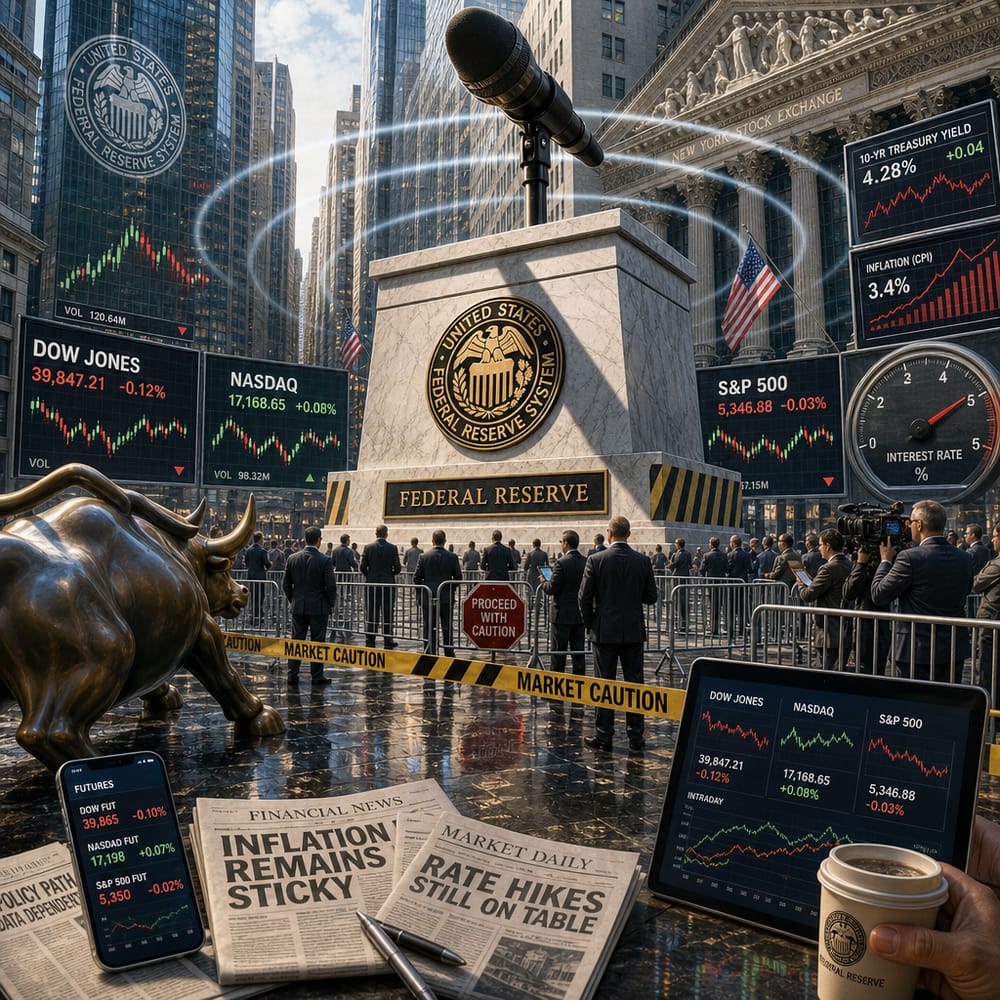
FED CHAIR'S INFLATION WARNING RATTLES WALL STREET
It's official: The Federal Reserve just hit Wall Street with a curveball that landed like a water balloon at a garden party. Fed Chair Kevin Warsh, the maestro of monetary policy, has let slip that inflation isn't taking a holiday anytime soon. And while he didn't outright announce a rate hike, the market is acting like it's already gotten the memo. So, what's the fuss all about? Let's unravel the mystery.
Warsh's recent commentary at the Jackson Hole symposium was a masterclass in subtlety. The Fed boss declared inflation a "concerning" beast that refuses to be tamed. Translation: Brace yourselves for the possibility of rate hikes. When interest rates rise, borrowing costs follow, making it pricier for companies to expand and for you to nab that low-interest mortgage. It's the financial equivalent of a cold shower — sure to wake everyone up, but not exactly pleasant.
So, what does this mean for the average retail investor scrolling through their stock app before hitting the snooze button? For starters, the stock market doesn't love uncertainty. Like a cat with a cucumber, it’s liable to freak out. The Dow Jones, Nasdaq, and S&P 500 have all displayed signs of distress, akin to a teen caught sneaking in past curfew.
The sectors that typically thrive on borrowed money — think real estate and utilities — could feel the heat first. As rates go up, mortgage rates often tag along, which could put a dent in real estate sales and valuations. And utility companies, which usually borrow heavily to fund infrastructure, might see their costs balloon, affecting profits and, consequently, their stock prices.
But it's not all doom and gloom. Some sectors could actually benefit from a rate hike-induced shuffle. Financials, for example, might squeal in delight. Higher interest rates usually mean fatter margins for banks, which can charge more on loans compared to what they give on deposits. So, if you’re holding bank stocks, you might want to pop a bottle of bubbly — just not the $30 tennis-themed Champagne they’re selling at the US Open. Save that for a special occasion.
Tech stocks, the darling of recent bull markets, might face a more complex tale. Companies like Nvidia have been riding a rocket fueled by AI optimism, but lofty valuations could be under pressure when interest rates climb. High-growth tech businesses tend to rely on future profits to justify their eye-watering market caps. When rates rise, those future dollars are worth less today, potentially cooling the sector's feverish pace.
So, where does this leave you, the astute retail investor, amid the financial fireworks? Diversification remains your friend. Spreading your bets across industries and sectors might help cushion the blow if one particular area hits a rough patch. And while you're at it, take a peek at your portfolio's bond allocation. Bonds tend to struggle when rates rise, but shorter-duration bonds may fare better than their long-term cousins.
For those with a penchant for the picks-and-shovels investment strategy — think utilities and energy — there's a twist in the tale. Here’s where Kevin Warsh’s inflation warning becomes a double-edged sword. While rate hikes might pinch, sectors like energy could see a different narrative, especially with geopolitical tensions throwing a wrench into the global oil supply chain. A recent deal with Venezuela hints at potential U.S. oil industry gains, adding a layer of intrigue to the energy sector's future.
In the end, the Fed's cryptic communications have left the market in a guessing game. And while it might be tempting to hit the panic button, remember this: Wall Street is a rollercoaster, not a kiddie ride. Those ups and downs are part of the thrill. Stay informed, keep your wits about you, and remember to take a breath — even if it feels like the market's trying to take it away.
So, next time you're sipping your morning coffee and scrolling through your portfolio, think of Kevin Warsh. He's keeping everyone on their toes, and in the world of investing, a little caution never hurt anyone.
This article is for informational purposes only and is not investment advice. Always do your own research or consult a licensed financial professional before making investment decisions.
© Copyright 2024. All Rights Reserved.
© Copyright 2024. All Rights Reserved.