

FDA Picks Firms for Pharma Reshoring Pilot—Eli Lilly & Regeneron in Focus
Wednesday, July 01, 2026
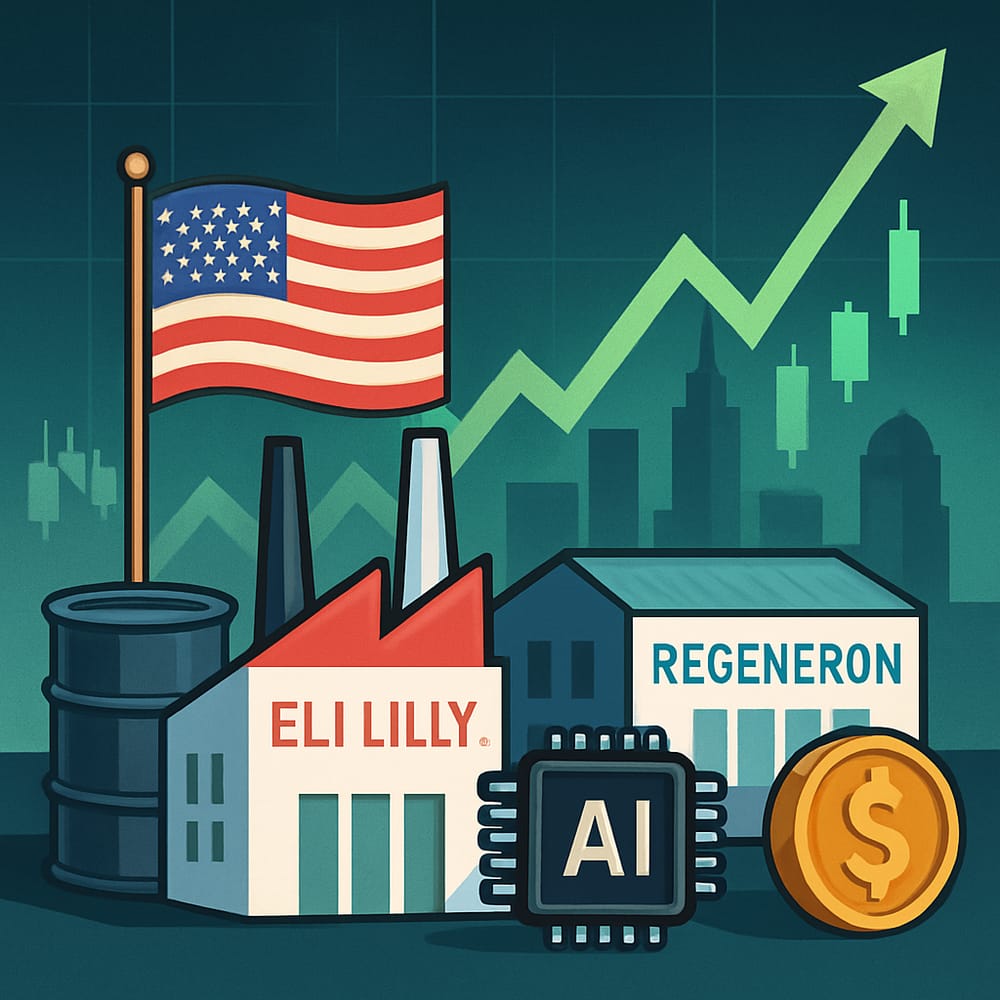
THE FDA'S BIG PLAY: RESHORING PHARMA TO AMERICA WITH ELI LILLY & REGENERON
Remember when America was all about "Bring it home"? Well, the FDA just put a giant tick mark on that agenda. The agency recently announced its domestic manufacturing pilot program, and guess who's front and center? Pharmaceutical titans Eli Lilly and Regeneron. This isn't just a minor footnote; it's a potential game-changer for how the U.S. pharma industry operates. So, why is this happening now, and what does it mean for investors like you? Buckle up — let's dissect this new pharma reshoring revolution.
Why Reshoring, Why Now?
The winds of global manufacturing are shifting, and it seems Uncle Sam wants a more significant piece of the pie. With international supply chains getting as tangled as last year's Christmas lights, the FDA is making a bold play. Reshoring — the process of bringing production back to the U.S. — is in vogue because it promises more control, fewer disruptions, and a punch in the gut to foreign dependency.
The pandemic unveiled just how vulnerable the global supply chains were. Medicines and essential drugs faced delays, putting pressure on the U.S. to increase its self-reliance. The FDA's pilot is a direct response, aiming to ensure that crucial pharmaceuticals are made closer to home.
Regulatory Catalysts Driving Change
Aside from COVID-induced realizations, regulatory catalysts are also at play. The FDA loves a good pilot program, and this one's no exception. By selecting Eli Lilly and Regeneron, they're banking on well-established entities to lead the way. These pharmaceutical giants have the infrastructure and R&D prowess to make domestic production not just feasible but successful.
Moreover, recent bipartisan pushes in Congress are throwing fuel on this reshoring fire. There's talk of tax incentives and subsidies for companies willing to bring manufacturing stateside. It's not just about patriotism; it's about securing a reliable and robust supply chain that's not held hostage by geopolitical tensions.
The Winners and Losers
Let's break it down — who comes out on top, and who gets left behind in this reshoring saga?
First, the obvious winners: Eli Lilly and Regeneron. They're about to become the poster children for this initiative, likely attracting more investment and goodwill from regulators and the public. Their stock might just get a little shinier as investors realize they're at the forefront of a potentially lucrative shift.
U.S. workers are also poised to benefit. More domestic production means more jobs, and who doesn't love a little economic boost right in their backyard? Plus, increased domestic production could lead to more competitive pricing and innovation. Win-win!
But every silver lining has its cloud. Companies heavily reliant on cheaper overseas production might feel the pinch. As the focus shifts to local manufacturing, those who can't adapt quickly could face higher costs and decreased competitiveness. Smaller firms without the capital to restructure might find themselves sidelined.
The Big Picture: What It Means for Investors
So, what does all this mean for your portfolio? It's time to keep a close eye on key players like Eli Lilly and Regeneron. If this pilot program takes off, these companies could be the darlings of Wall Street, with share prices reflecting their leadership role in reshoring.
However, don't be blinded by the big names. The broad pharmaceutical sector could see ripples of change, with supply chain innovations potentially boosting efficiency and product availability. Diversifying your investments within the pharma industry might be a savvy move as you hedge against firms struggling to catch the reshoring wave.
In conclusion, the FDA's pilot program is about more than just bringing manufacturing back home. It's about building a more resilient, reliable pharma landscape that's less vulnerable to global hiccups. As reshoring takes center stage, investors need to stay sharp, because this is one rollercoaster that's just starting its climb. Keep an eye on the opportunities and be ready for a few twists and turns — after all, isn't that what makes investing fun?
This article is for informational purposes only and is not investment advice. Always do your own research or consult a licensed financial professional before making investment decisions.
© Copyright 2024. All Rights Reserved.
© Copyright 2024. All Rights Reserved.