

Even With Court Ruling, Trump’s Tariffs Still Costing Consumers
Friday, May 30, 2025
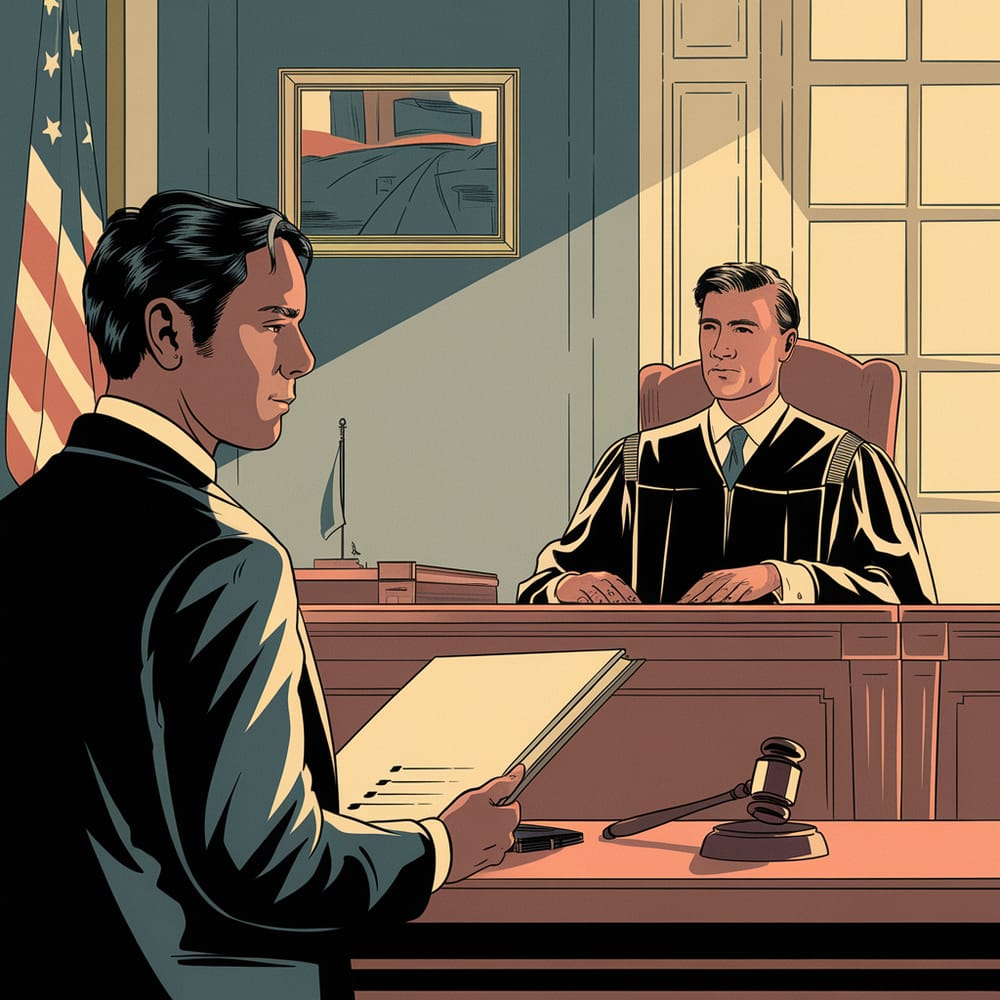
A federal trade court may have blocked key parts of President Trump’s sweeping tariff plan, but for U.S. consumers, the pinch isn’t over.
Even if the court’s ruling holds, American households are still expected to lose an average of $950 in purchasing power in 2025, according to a Yale Budget Lab analysis. That’s because tariffs on steel, aluminum, autos, and auto parts remain in effect, along with some China-specific duties. These existing levies, imposed under different legal authorities, are still forecast to raise consumer prices by 0.6% this year.
If the blocked tariffs—like the 10% baseline duties on most nations and targeted penalties on Canada, Mexico, and China—had remained in place, the hit would’ve been even worse: $2,800 per household, or 1.7% inflation.
The court ruling, issued Wednesday, found Trump overstepped his authority by using the International Emergency Economic Powers Act to impose certain duties. But the very next day, an appeals court put that ruling on pause, leaving the situation in legal limbo.
Meanwhile, the Trump administration is signaling more tariffs may be on the way—this time targeting pharmaceuticals, semiconductors, copper, and lumber. Economists say this suggests the tariff war isn’t close to over, even if some rounds are stalled in court.
Bottom line: The legal fight may be ongoing, but for everyday consumers, the cost of tariffs is already baked in. Whether the court ruling stands or not, the trade war’s financial burden is still hitting wallets.
© Copyright 2024. All Rights Reserved.
© Copyright 2024. All Rights Reserved.