

Energy Stocks Hit by Oil Price Decline
Tuesday, August 04, 2026
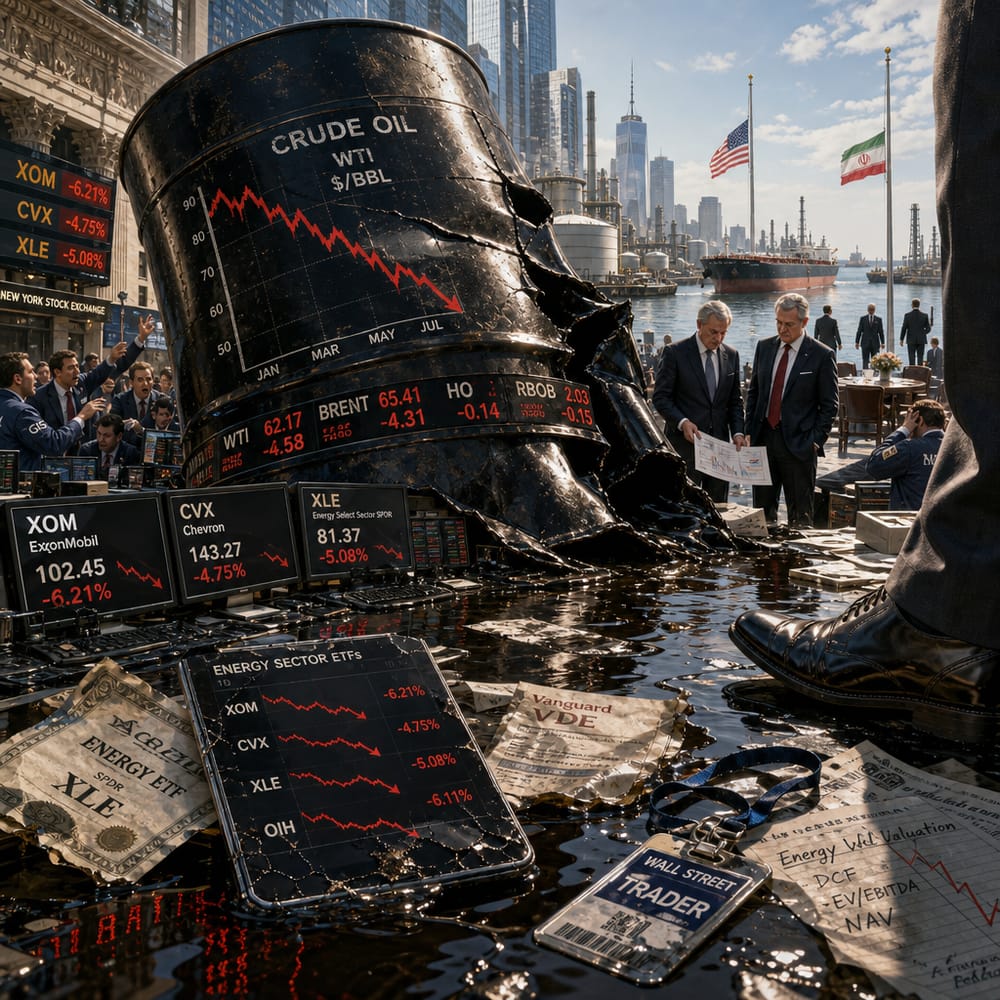
Oil prices have been doing the limbo in recent days, sliding lower and stretching the nerves of energy investors who are grasping for their next move. It’s not just a random plunge into the unknown; there’s a geopolitical drama brewing in the background that’s got the markets buzzing. The potential easing of tensions between the U.S. and Iran, particularly around the crucial Strait of Hormuz, has been making headlines, causing crude futures to dip to a three-week low. But what does this all mean for your energy stocks, and who might just be laughing all the way to the bank?
Let’s break it down. When oil prices drop, you can almost hear the collective groan from energy giants like ExxonMobil and Chevron. These companies thrive on high oil prices, as it helps pad their bottom line. But with the current situation hinting at a Strait of Hormuz deal, their stock prices are feeling the squeeze. Energy sector ETFs, which bundle together the stocks of various energy companies, are also not immune, showing a downward trend as oil prices slump.
So, why is the Strait of Hormuz such a big deal? Picture it as the narrowest part of a bustling highway for oil tankers. It’s a chokepoint where about 20% of the world’s oil passes through. Any potential agreement that ensures the free passage of oil tankers in this region is like a soothing balm on the markets — great for geopolitical stability, but less thrilling for oil prices.
While ExxonMobil and Chevron might be wringing their hands, other sectors are rubbing theirs in glee. The airline industry, for example, is all about fuel efficiency these days, and lower oil prices could significantly reduce operating costs. This could give companies like Delta and American Airlines a chance to soar higher, as ticket prices might become more competitive while margins expand.
Meanwhile, market analysts are reaching for their pencils to revise forecasts. The energy sector is notorious for its volatility, and you can bet analysts are closely watching these developments, ready to tweak their predictions for oil prices and company valuations. It’s a dance of adjustments that keeps everyone on their toes.
But let’s not forget the broader market picture. The Dow Jones and S&P 500 had a field day recently, buoyed not just by hopes for geopolitical resolutions but also by strong earnings reports across the board. Even as energy stocks struggle, the tech sector, financials, and industrials have been basking in the glow of gains. It seems not everyone is suffering in this oil saga.
In this shifting landscape, what’s a retail investor to do? First, don’t panic-sell your energy stocks just because the headlines look grim. If history teaches us anything, it’s that oil prices are as fickle as your favorite reality TV show. Geopolitical winds can change direction with little notice, and what’s low today might surge tomorrow.
Instead, consider diversifying. Sure, energy stocks have a place in any robust portfolio, but this could be a prime time to look at sectors that benefit from lower oil prices. Airlines, transportation, and even some consumer goods companies might offer more stable returns in the short to medium term.
For those who love the thrill of the market, keep an eye on energy sector ETFs. They can provide a more balanced risk approach, spreading exposure across multiple companies. And remember, analysts’ revised forecasts could offer clues about where the sector is headed in the near future.
In the end, the interplay between geopolitical developments and oil prices is a complex dance. For retail investors, staying informed and flexible is key. Keep your eyes peeled on those headlines, and be ready to pivot when new opportunities arise. The world of energy investments is constantly evolving, and today’s dips could lead to tomorrow’s gains. Just make sure you’re strapped in for the ride. Who knows, it might just be as entertaining as your favorite drama series.
This article is for informational purposes only and is not investment advice. Always do your own research or consult a licensed financial professional before making investment decisions.
© Copyright 2024. All Rights Reserved.
© Copyright 2024. All Rights Reserved.