

Emerging Markets Rebound: Temporary Rally or Sustainable Trend?
Monday, August 10, 2026
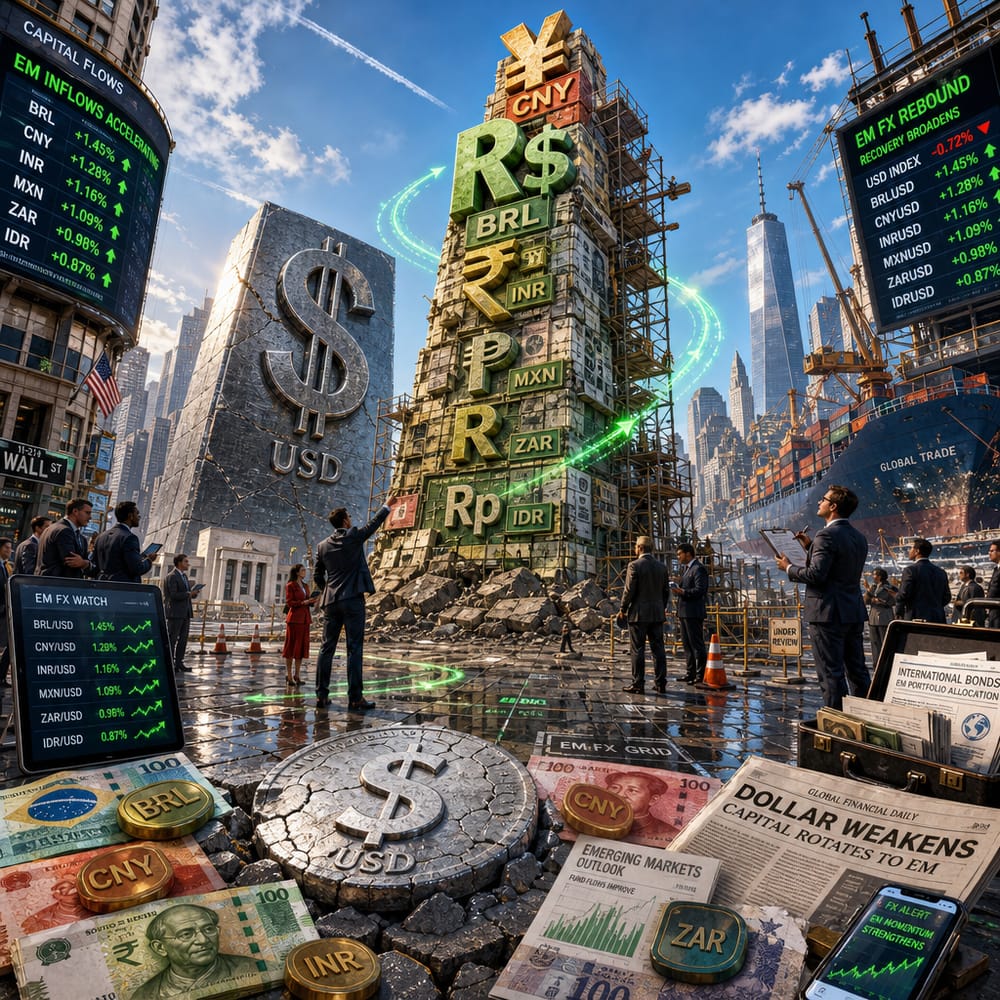
EMERGING MARKETS REBOUND: TEMPORARY RALLY OR SUSTAINABLE TREND?
Emerging markets might just be playing the Rocky theme song on repeat. Lately, they've been showing some muscle against the almighty U.S. dollar, and everyone's asking: is this just a fleeting flex, or have they been hitting the financial gym for real?
For decades, the U.S. dollar has been the alpha currency, bench-pressing its way to dominance. But now, emerging market currencies are shifting the spotlight. Brazilian reals, Chinese yuan, and a host of other underdog currencies are staging an unexpected comeback. So, what's driving this surge, and more importantly, can they keep it up?
First, let's break down the factors giving these currencies their mojo. We're talking interest rates, global trade dynamics, and a sprinkle of geopolitical drama. Central banks across emerging markets have been tightening their belts, raising interest rates to combat inflation and attract investors looking for better returns. It’s like offering a buffet of juicy yields, and investors are taking a seat at the table.
Then there’s the ever-volatile oil market. While the U.S. Strategic Petroleum Reserve levels are hitting rock bottom, emerging markets, many of which are oil producers or have close ties to oil-exporting nations, are benefiting from the uptick in crude prices. They’re sipping on the profits while the West worries about supply constraints.
And let’s not forget the elephant in the room: U.S.-Iran tensions. The uncertainty around agreements like those involving the Strait of Hormuz can send ripples through the market, affecting dollar flows and boosting other currencies as investors look for safer havens.
Now here’s the big question: Is this rally a flash in the pan, or have these currencies built enough stamina for a marathon? The jury’s still out. On one hand, structural issues like political instability and debt burdens remain challenges. On the other hand, if inflation cools and global growth steadies, emerging markets could very well continue their ascent.
But wait, there’s more. Global investors should strap in for the implications of this shift. A sustainable rebound in these currencies could signal a reallocation of capital flows, reducing the greenback’s hegemony. Imagine a world where the dollar isn’t the go-to for international trade. It could reshape everything from commodity pricing to how countries manage their reserves.
Yet, we can’t overlook the hurdles. The global economic landscape is a rollercoaster, with tight turns in the form of tech sector volatility and uncertain AI advancements. Companies like Intel are betting big on AI, with billions in stock offerings to satiate this digital appetite. These tech titans are shelling out cosmic sums, which could either propel economies forward or create bubbles waiting to burst. The ripple effects could influence currency markets worldwide.
So, what's an investor to do? As always, diversify is the name of the game. Keep an eye on these currencies, but don’t ditch the dollar just yet. The world isn’t going to change overnight. While Goldman Sachs advises investors to stay the course despite interest rate and oil price jitters, the emerging market storyline deserves a spot on your radar.
In the end, whether emerging markets are in for a season of glory or just a brief moment in the sun, their current comeback is turning heads. Keep your eyes peeled and your portfolios prepped, because in the ever-dynamic world of finance, fortunes can—and do—change with the wind. And for now, that wind seems to have shifted, singing a new tune for emerging markets.
This article is for informational purposes only and is not investment advice. Always do your own research or consult a licensed financial professional before making investment decisions.
© Copyright 2024. All Rights Reserved.
© Copyright 2024. All Rights Reserved.