

Emerging-market FX: Sri Lankan Rupee Weakens amid Oil Price Gains
Monday, August 17, 2026
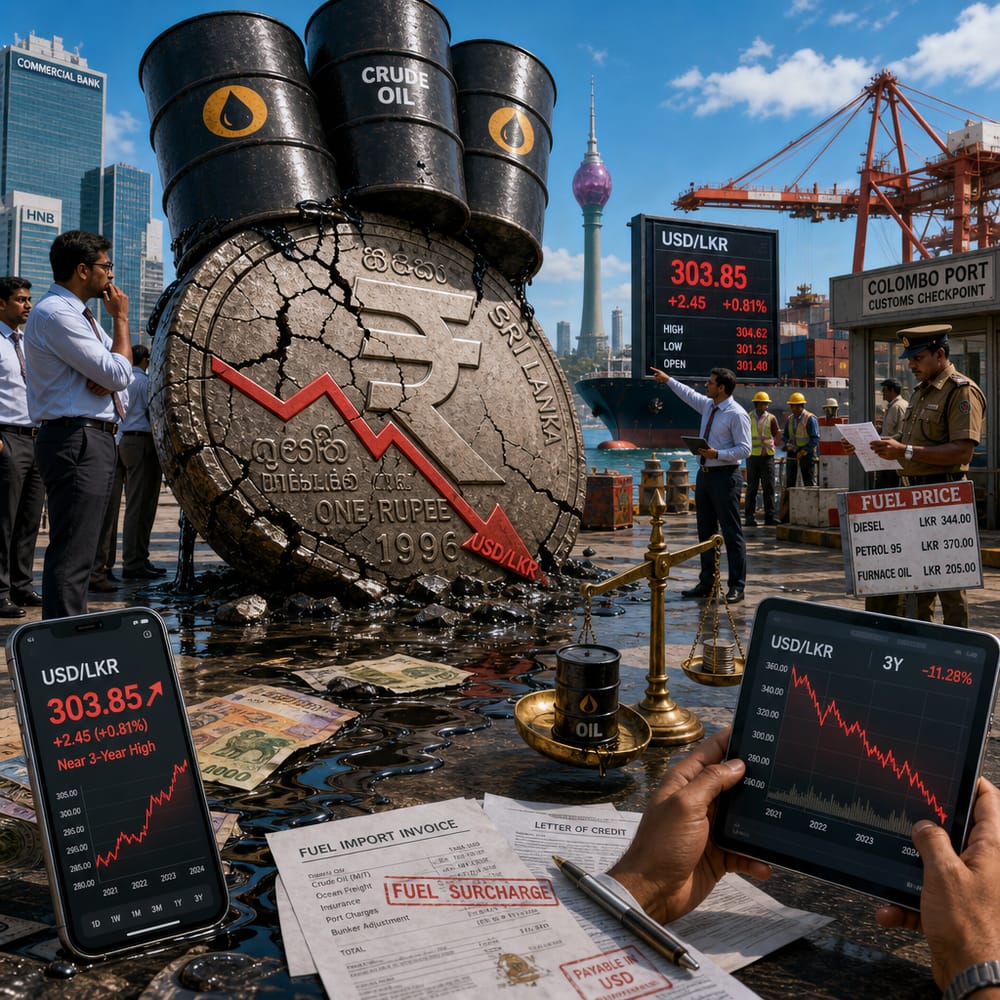
EMERGING-MARKET FX: SRI LANKAN RUPEE WEAKENS AMID OIL PRICE GAINS
If you think the Sri Lankan rupee is having a bad day, just wait till you hear what the price of oil is doing to its reputation. The rupee has plunged to a three-year low, and it isn’t because it took a wrong turn in the forex market. No, the culprit is none other than the global hike in oil prices, putting the rupee between a rock and a barrel of $80-per-barrel oil. Here's why you should care and what this means for the island nation nestled in the Indian Ocean.
WHAT'S DRIVING THE RUPEE'S DEPRECIATION?
Before we go tossing the rupee into the depreciation dumpster, let’s dig into the nitty-gritty. Sri Lanka depends heavily on importing oil to keep the lights on and the engines running. When oil prices go up, it’s not just a mild irritation; it’s like inviting the wolf of inflation into your living room for tea. The country has to spend more U.S. dollars to buy the same barrel of oil. This increased demand for dollars, coupled with the higher cost of imports, pushes the rupee down faster than you can say "exchange rate."
But wait, there’s more. Sri Lanka's trade balance is already skating on thin ice. The country imports way more than it exports, and this imbalance worsens when oil gets pricey. It’s like trying to fill a bathtub with a sieve—the dollars flow out faster than they come in, putting extra pressure on the rupee.
OIL'S IMPACT ON SRI LANKA'S TRADE BALANCE
Oil is to Sri Lanka's economy what espresso is to a groggy morning—essential and irreplaceable. Unfortunately, this dependence means that rising oil prices could widen Sri Lanka's trade deficit—a fancy term for when a country buys more from abroad than it sells. The math is simple: higher oil prices mean bigger import bills, which can lead to a yawning trade deficit.
This scenario is a vicious cycle. A widening deficit weakens the rupee further, making imports more expensive, including—you guessed it—more oil. And so the cycle spins, leaving inflationary pressures in its wake. It's like trying to jog uphill in flip-flops; each step gets harder.
WHAT CAN THE CENTRAL BANK DO?
The Sri Lankan central bank is eyeing this situation like a cat watching a very precarious vase. But what moves are on the board for them?
First, they could try to stabilize the currency by using foreign exchange reserves to buy rupees and sell dollars. Think of it as a financial tug-of-war to boost the rupee's value. However, this tactic isn't without its limitations. Draining reserves is like eating your future lunch today—it might work for now, but it's unsustainable in the long run.
Another tool in their arsenal is tweaking interest rates. Higher interest rates can attract foreign investors looking for better returns, bringing more dollars into the country. The catch? It could also slow down economic growth, a touchy subject when the economy is trying to catch its breath amid inflationary pressures.
INFLATION EXPECTATIONS AND THE CARRY TRADE
Let’s not ignore the tricky beast that is inflation expectations. If businesses and consumers think that prices will keep rising, they might start demanding higher wages and increase prices further, creating a cycle that can be hard to break. It's like a snowball rolling down a hill, picking up speed and size.
And then there's the carry trade. Savvy investors might borrow money in countries with low interest rates and invest in Sri Lanka, hoping to pocket the difference. The problem? The rupee's depreciation eats into those gains, making the trade less attractive. If enough investors hit the brakes, it could further pressure the rupee.
THE BIG PICTURE
So, what does all this mean for Sri Lanka and its currency? Rising oil prices are the unwelcome guest at Sri Lanka's economic party. They complicate everything from trade balances to inflation and investor appetite. The central bank has a tough balancing act ahead, like walking a tightrope while juggling flaming torches.
At the end of the day, the rupee's journey reflects broader challenges facing emerging markets globally. They often find themselves at the mercy of commodity prices, geopolitical tensions, and global economic swings.
Sri Lanka’s situation is a cautionary tale for any country overly dependent on a single commodity. While the rupee wobbles, Sri Lanka will have to navigate these choppy waters with strategic foresight and, perhaps, a stiff upper lip. In the meantime, keep an eye on those oil prices; they might just be calling the shots.
This article is for informational purposes only and is not investment advice. Always do your own research or consult a licensed financial professional before making investment decisions.
© Copyright 2024. All Rights Reserved.
© Copyright 2024. All Rights Reserved.