

Elon Musk’s ‘X Money’ Sparks Crypto Regulation Fears
Thursday, March 13, 2025
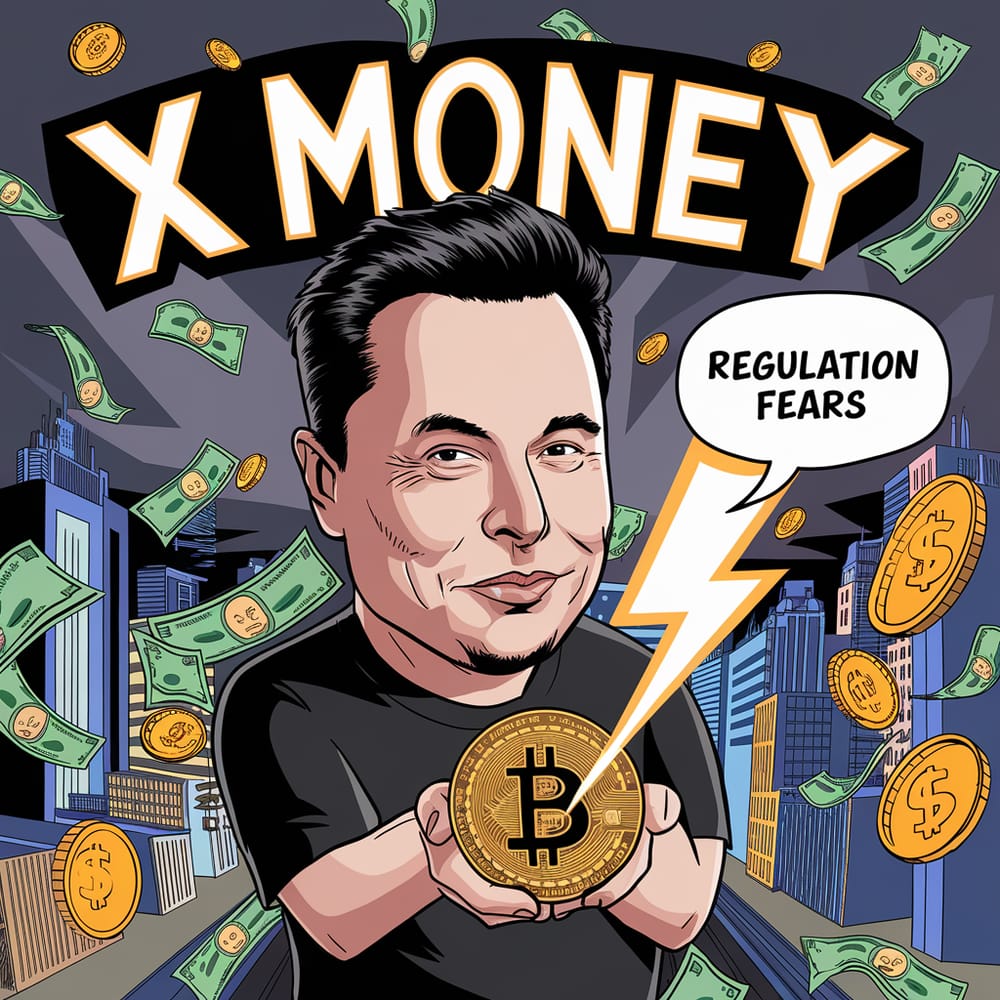
As Congress debates a sweeping stablecoin bill, Senator Elizabeth Warren and other Democrats are warning that the legislation could open the door for Big Tech to take over the financial system. Their biggest concern? That Elon Musk could use the new law to launch “X Money”, a stablecoin tied to his social media empire.
The GENIUS Act, set for a Senate vote on Thursday, would allow stablecoin issuers to register with either state or federal regulators, potentially paving the way for mainstream companies to issue digital dollars. Supporters argue the bill strengthens the U.S. dollar’s dominance in digital finance, but critics say it hands too much power to private companies.
Big Tech’s Stablecoin Ambitions Raise Alarms
Warren has emerged as one of the most vocal critics of the bill, arguing that it could let tech billionaires create their own financial ecosystems with minimal oversight.
“Under this bill, Elon Musk could roll out ‘X Money’ tomorrow, turning social media into a payments empire with little regulation,” Warren said in a memo to Democratic colleagues. She claims the legislation moves the U.S. toward the ‘privatization of the dollar’, a shift that could weaken consumer protections and financial stability.
However, Senator Kirsten Gillibrand, a co-sponsor of the bill, dismissed Warren’s concerns as overblown, arguing that stablecoins already exist and are key to ensuring the U.S. remains the leader in global finance.
Would Stablecoins Be Safe?
Under the proposed framework, stablecoin issuers would be required to hold one-to-one reserves to prevent collapses like TerraUSD’s implosion in 2022. But critics worry that consumer safeguards are still too weak.
Currently, stablecoins operate in a regulatory gray area, mostly used to facilitate crypto trading rather than mainstream payments. But if a company like X (formerly Twitter) or Meta launched a widely used stablecoin, it could circumvent traditional banking regulations, leading to risks like:
• Frozen funds or bankruptcy risks if issuers fail
• Lack of FDIC protection for stablecoin holders
• Potential bailouts if a major stablecoin issuer collapses
Some lawmakers fear a repeat of the Silicon Valley Bank bailout, where regulators had no choice but to step in to prevent market chaos.
What’s Next for the Crypto Industry?
As stablecoin legislation moves through Congress, the crypto industry is already facing regulatory delays on other fronts. The SEC recently postponed decisions on several crypto-backed ETFs, including funds for Solana, Dogecoin, and XRP, with analysts predicting approval decisions won’t come until at least October.
Meanwhile, crypto markets remain under pressure. Bitcoin is down 8 percent this week, and altcoins like Ethereum and Cardano have posted double-digit declines amid broader market turbulence.
The big question: Will lawmakers embrace stablecoins as a financial innovation, or will concerns about Big Tech’s influence stall the bill’s progress?
© Copyright 2024. All Rights Reserved.
© Copyright 2024. All Rights Reserved.