

Dollar’s Comeback Turns the Tables on Traders Who Bet Against It
Friday, October 10, 2025
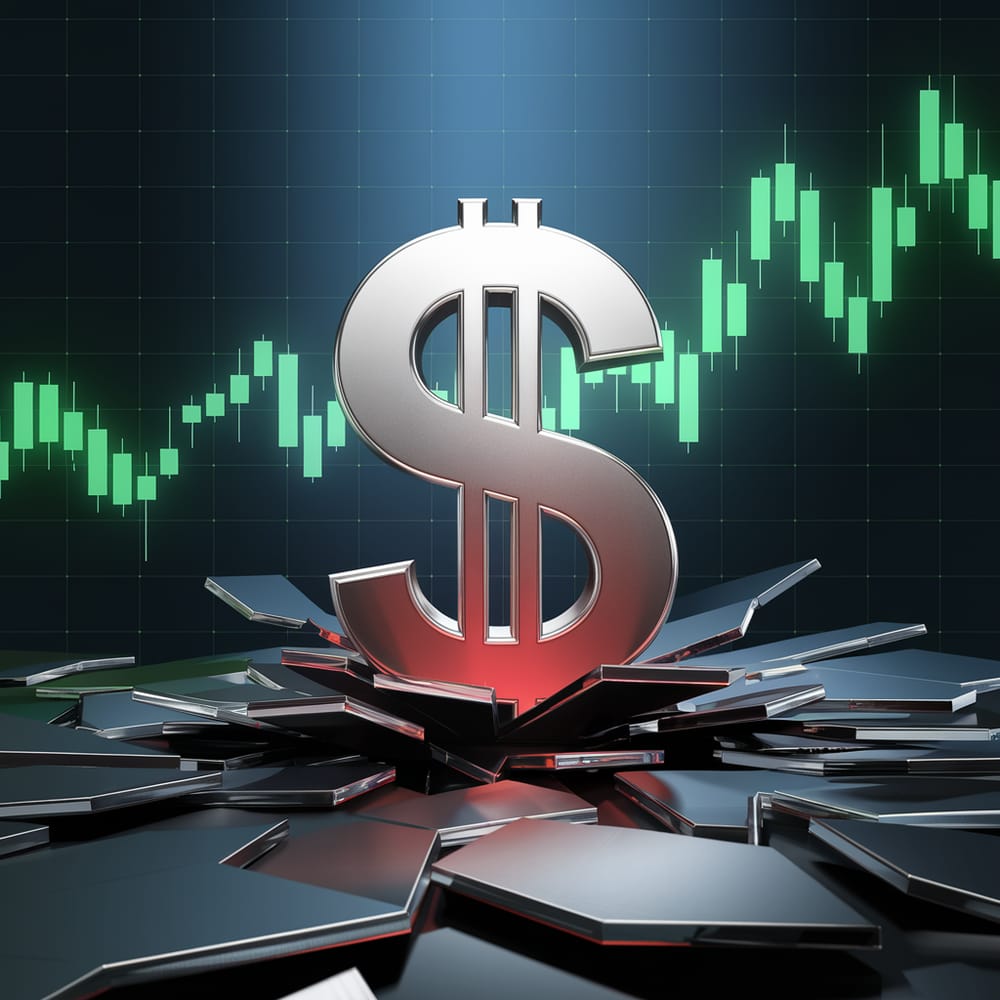
The Pain Trade of 2025
For much of the year, betting against the U.S. dollar looked like the smartest trade in global finance. Hedge funds, banks, and asset managers all piled into what became known as the “big dollar short.” But now, that trade is backfiring — fast.
The greenback has clawed its way back to a two-month high, fueled by stubborn inflation, a resilient U.S. economy, and growing doubts that the Federal Reserve will deliver as many rate cuts as markets had priced in. As the dollar rises, those who bet on its decline are scrambling to unwind their positions — and it’s starting to hurt.
Hedge Funds Rethink Their Bets
The reversal has caught some of Wall Street’s biggest names off guard. Goldman Sachs, JPMorgan, and Morgan Stanley were among the loudest dollar bears earlier this year, forecasting steady declines as global growth strengthened. Now, with the euro and yen slumping and Fed officials sounding cautious, those calls are looking increasingly shaky.
Traders in both Asia and Europe report that hedge funds have started buying dollar call options — effectively betting the rebound continues into year-end. In short, the smart money that once thought the dollar was done is now hedging the other way.
Why the Rebound Matters
The dollar’s revival has ripple effects far beyond currency charts. A stronger greenback raises costs for emerging markets that borrow in dollars, pressures commodities, and tightens global financial conditions — all at a time when other central banks are trying to ease.
For U.S. investors, it also complicates the picture: exporters feel the squeeze, while foreign profits shrink when converted back to dollars. “Markets leaned too hard on the idea of aggressive Fed cuts,” said one strategist. “Now they’re realizing the Fed might not blink unless the labor market weakens much further.”
From Weakness to Strength
Earlier this year, traders sold dollars after President Donald Trump avoided sweeping tariffs, assuming that inflation would stay tame and the Fed could cut rates freely. That sentiment evaporated by April when Trump imposed new trade levies, reigniting inflation fears.
Despite all the noise, foreign investors haven’t fled U.S. markets. Mega-cap tech stocks and solid Treasury demand have kept global capital flowing into the country. The result: the Bloomberg Dollar Spot Index has gained roughly 2% since midyear, marking its best stretch in nearly a year.
Dollar Sentiment Flips Positive
Options data show traders are now paying more to protect against a dollar rally than a sell-off — the most bullish sentiment since spring. The change has been so dramatic that analysts are calling it a “pain trade” for anyone who stayed short.
“It’s not that the U.S. is suddenly booming,” said a currency strategist. “It’s that everywhere else looks worse — and that makes the dollar the least ugly shirt in the laundry.”
Global Politics Add Fuel
Geopolitics are also helping the dollar’s cause. In Japan, the likely rise of Sanae Takaichi as prime minister has fueled expectations of debt-driven stimulus, sending the yen to its weakest level since February. In Europe, President Emmanuel Macron’s political troubles have hammered the euro, which now trades near multi-month lows.
With two of the dollar’s biggest rivals under pressure, analysts say the rally could extend. “Given what’s happening in France and Japan, it’s hard to see major downside for the dollar,” said one New York trader.
The Bottom Line
The dollar’s resurgence is forcing a rethink across global markets. What began as a confident short has become a painful squeeze for traders who underestimated the U.S. economy’s resilience and the Fed’s resolve.
As one strategist summed it up: “The big dollar short is dead — for now.”
© Copyright 2024. All Rights Reserved.
© Copyright 2024. All Rights Reserved.