

Dollar Index Remains Elevated Despite Recent Softness
Monday, August 03, 2026
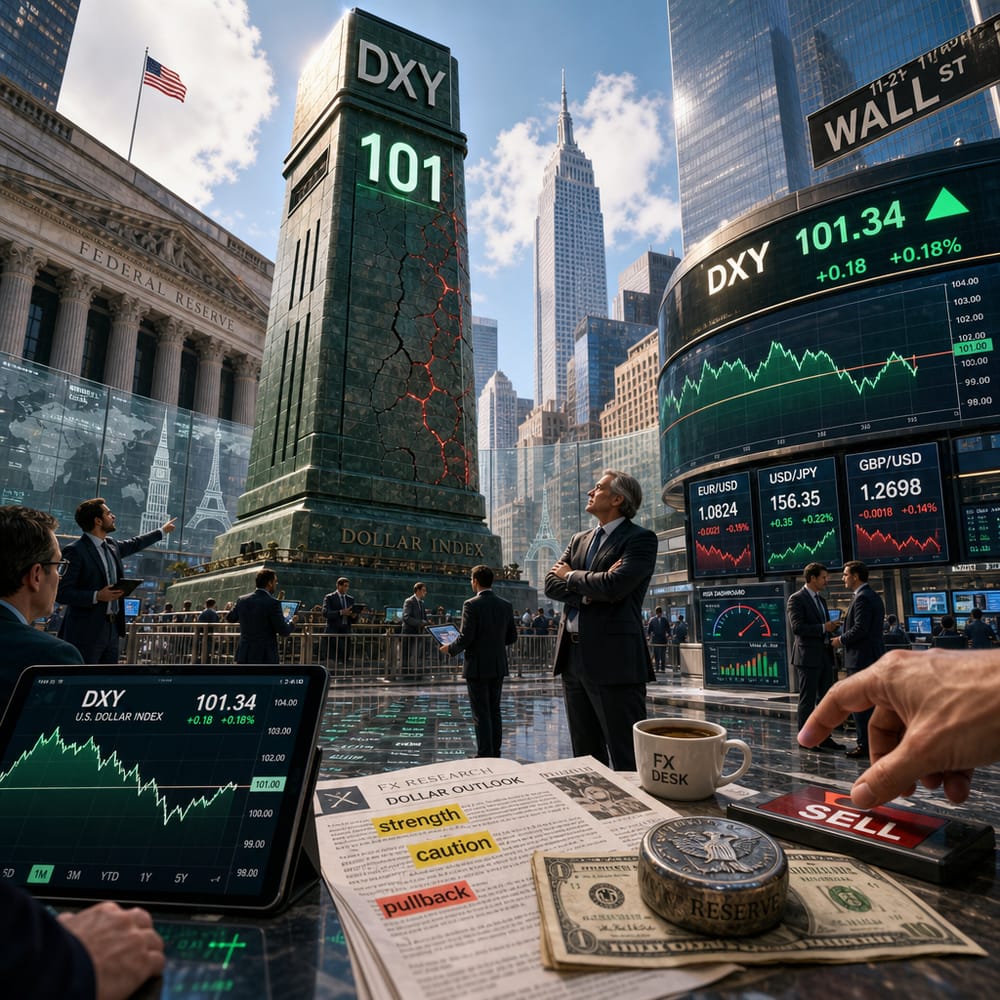
WHY THE DOLLAR REFUSES TO BUDGE (FOR NOW)
Cue the confetti cannons because the U.S. dollar is on an extended victory lap. While recent pullbacks have suggested a hint of caution among traders, the dollar index is still strutting above 101 like a runway model who just can’t be fazed. But what's keeping this greenback so spry? And what does this mean for the rest of the world with bated breath, staring at this stage?
First things first. The dollar index, or DXY if you’re hanging with the cool kids, measures the dollar’s muscle against a basket of other currencies. Think of it as the Olympics of money, and the dollar is still nabbing gold. Even as it dips its toe into the lower pools, it's holding a steady breaststroke above 101. So, what's its secret?
For starters, the U.S. economy is still flexing its muscles in the global gym, albeit with a few kinks in the back. Inflation, the perpetual bad guy, seems to be taking a chill pill, allowing the economy to breathe. Throw in some interest rate hikes by the Federal Reserve, and you've got yourself a currency on steroids. Higher interest rates tend to attract foreign investors looking for juicy returns, keeping the dollar buoyant like a pool float at a summer party.
But wait, there's more! Global drama also plays a part. Trump's recent “pause and deal” with Iran over military strikes has added a dash of stability to the oil market, which indirectly props up the dollar. Meanwhile, Japan and the United States are teaming up to make sure the yen doesn't nosedive into oblivion. The world, it seems, is one big game of currency Jenga, and the dollar is the piece everyone’s afraid to pull.
Now, let’s not get carried away with champagne toasts just yet. The dollar has its fair share of frenemies eyeing its dominance. The euro, the yen, and other major currencies are lurking in the wings, waiting for the dollar to take a misstep. The recent pullbacks in the index suggest some traders are whispering about a potential reversal. If the Fed decides to pivot and ease up on rate hikes, we could see the dollar start to slouch.
So, what does all this mean for the global show? For starters, an elevated dollar makes U.S. goods more expensive abroad, potentially raining on America's export parade. This means U.S. companies might have to hustle harder to sell their goods overseas. On the flip side, for Americans dreaming of European vacations or eyeing imported goodies, a strong dollar is like a backstage pass to discounts galore.
But let's not forget the global ripple effects. A stronger dollar can be a double-edged sword for emerging markets. For those borrowing in dollars, it means higher debt repayments — not exactly the kind of headline you want to see first thing in the morning. On the other hand, for countries exporting commodities priced in dollars, like oil or metals, a mighty buck can translate to higher revenues.
As for the potential implications of any future slide in the dollar's value, it could mean a shake-up for global trade balances. We might see shifts in investment flows and changes in how countries manage their reserves. Essentially, if the dollar coughs, the world might catch a cold.
In the end, the dollar's journey is an epic saga with plot twists and character arcs worthy of a Hollywood blockbuster. Whether it continues its current streak or gets caught in a plot twist of its own, it'll be sure to keep the world on the edge of its seat and investors busy adjusting their portfolios. One thing's for sure — in the world of currency, there's never a dull moment.
This article is for informational purposes only and is not investment advice. Always do your own research or consult a licensed financial professional before making investment decisions.
© Copyright 2024. All Rights Reserved.
© Copyright 2024. All Rights Reserved.