

DOJ Backs Off Crypto Crackdown—Focus Shifts to Real Criminals
Wednesday, April 09, 2025
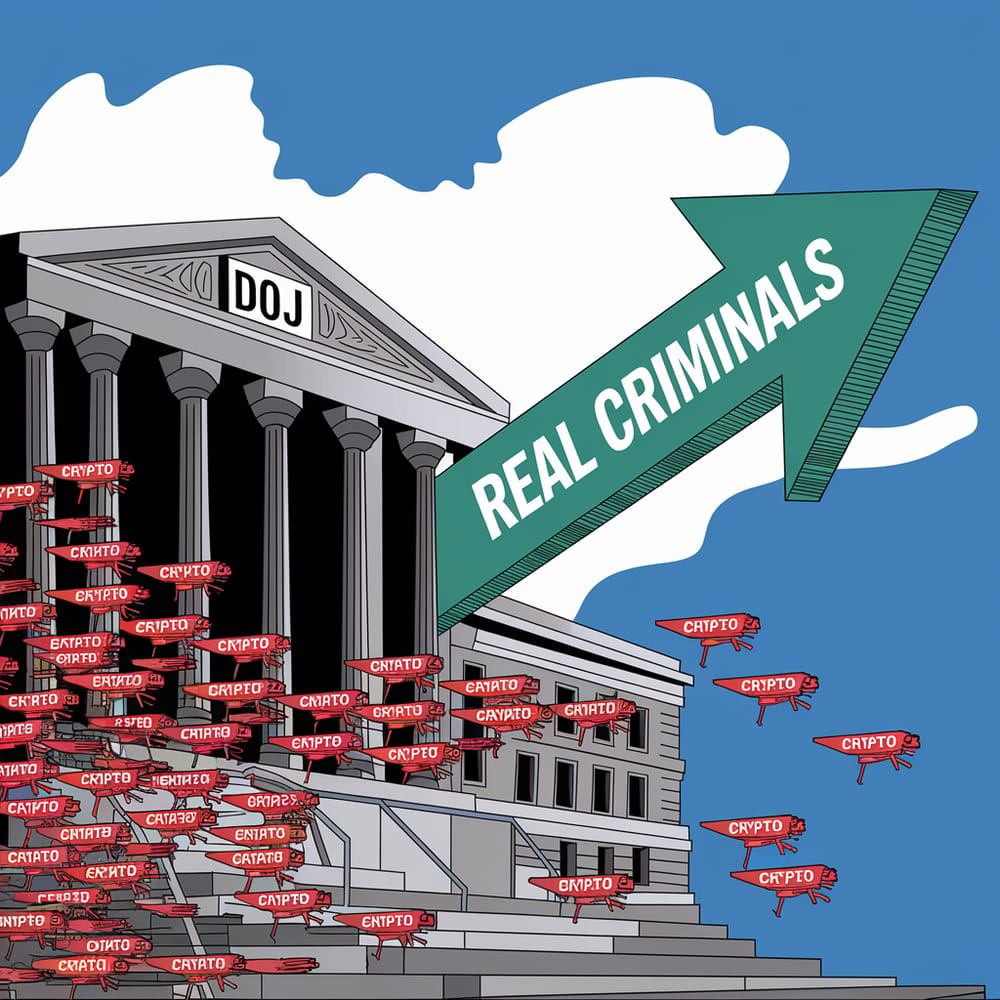
The Justice Department just changed its stance on crypto—and the industry is breathing a sigh of relief.
In a dramatic shift announced Monday, the DOJ said it will now limit its crypto crime investigations to the worst of the worst: terrorism, drug cartels, investor fraud, and cyberattacks. Gone are the days of sweeping prosecutions for unintentional rule-breaking and technical slip-ups.
Deputy Attorney General Todd Blanche, in a memo obtained by Bloomberg, called out the previous administration’s “reckless strategy of regulation by prosecution” and made it clear: the DOJ is not a digital asset regulator.
Effective immediately, the department will no longer target crypto exchanges, mixers, tumblers, or offline wallets for violations committed unknowingly by end users—unless those violations directly tie into more serious criminal priorities.
The National Cryptocurrency Enforcement Team (NCET)? Disbanded. Current investigations not aligned with this new mission? Closed.
Instead, DOJ resources will shift toward tackling actual crime: exchange hacks, scams, investor theft, and the use of digital assets to fund terrorism or smuggle drugs and humans.
The response from the crypto world? Relief—and applause. Executives from Coinbase, Kraken, Gemini, Paradigm, and others had already written a joint letter blasting the Biden DOJ’s aggressive approach. They called for clearer rules and an end to “chilling innovation.” Their message: developers shouldn’t go to prison for writing code.
Amanda Tuminelli, executive director of the DeFi Education Fund, called the DOJ’s pivot a “huge win” and said it sends a clear message that builders are not the enemy.
Paradigm’s chief legal officer Katie Biber echoed that, saying laws should mean what they say—not what prosecutors wish they said. “We’re thrilled,” she added.
The DOJ’s about-face could mark a new era for crypto enforcement—one that distinguishes between bad actors and builders. It also signals that the Trump administration may be taking a friendlier stance toward the blockchain ecosystem heading into 2025.
Now the question is whether regulators like the SEC and CFTC follow suit—or keep playing hardball. For now, crypto’s legal storm just got a little sunnier.
© Copyright 2024. All Rights Reserved.
© Copyright 2024. All Rights Reserved.