

Day Trading Without Borders? FINRA’s Big Move Could Change Everything
Friday, September 26, 2025
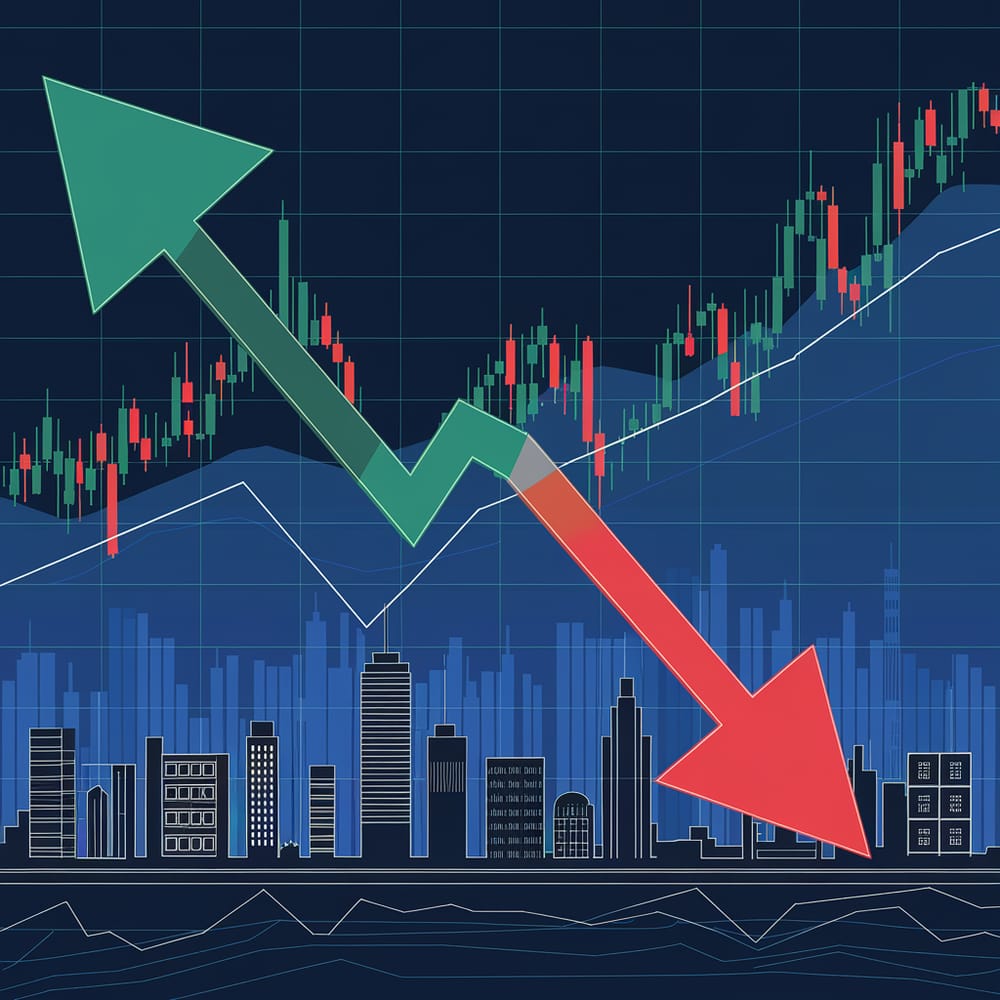
For years, the infamous $25,000 barrier stood like a velvet rope outside Wall Street’s VIP day-trading club. If you didn’t have at least twenty five grand in your account, you could only make so many same day trades before the regulators slammed the brakes. But that rule might soon be history.
This week, FINRA voted to scrap the pattern day trading rule a shift some are calling one of the most significant changes to U.S. equity market structure in decades
Translation? Retail investors with smaller accounts may soon have the green light to trade as actively as they want, no matter their bankroll.
Sounds exciting, right? Well, buckle up — because this move could open up both massive opportunities and equally massive risks.
Why the Rule Existed in the First Place
The PDT rule was born during the dot-com bubble, when amateur traders flooded the markets like tourists at Times Square. Regulators wanted guardrails in place to protect both retail traders from blowing up their accounts — and brokerages from the margin nightmares that followed
Back then, technology wasn’t what it is today. Firms couldn’t instantly validate buying power, margin requirements, or risk exposure in real time. But today? Brokerages can stop you from overspending with a simple algorithm. In that sense, the old rules have been limping along on crutches for years.
The Good, the Bad, and the Ugly
So what does this mean for everyday traders?
The Good:
More freedom. No more saving up $25K just to unlock day-trading privileges.
Flexibility for small accounts to learn actively, not wait on the sidelines.
Brokerages benefit from smoother tech, real-time risk checks, and more trades in the system.
The Bad:
Let’s face it: most new traders lose money. Removing this guardrail means more people may burn through cash they can’t afford to lose
The emotional side of trading panic sells, FOMO buys — could spiral without the PDT safety net.
The Ugly:
Expect more market volatility. Retail-driven intraday churn in popular stocks and short-dated options could spike
The “house” market-making firms and payment for order flow brokers wins when retail trades more. They’re incentivized to fuel the frenzy
What Traders Are Saying
Some seasoned traders are cheering, others are nervous.
One retail investor admitted: “Most day traders lose money in the market. Also, most new traders lose money in the market as well. … I think a lot of people are going to end up losing money they can’t afford to lose”
Another veteran who once got locked out for 90 days under the PDT rule said bluntly: “That rule kept me from blowing my account in a week or two”
It’s clear: without the PDT restriction, the burden of risk management falls squarely on the shoulders of the trader.
The Bottom Line
If the SEC signs off, the PDT rule could be gone for good — unleashing a new wave of retail trading energy into the market. Some will celebrate it as liberation. Others will call it reckless.
But one thing’s certain: day trading is about to change. Whether it becomes a golden opportunity or a bloodbath depends not on FINRA, not on Wall Street — but on how well traders manage their own emotions, risk, and discipline.
And remember: in the casino of the markets, the house always has an edge.
© Copyright 2024. All Rights Reserved.
© Copyright 2024. All Rights Reserved.