

CPI Shows Inflation Cooling—But Core Stays Sticky
Saturday, August 22, 2026
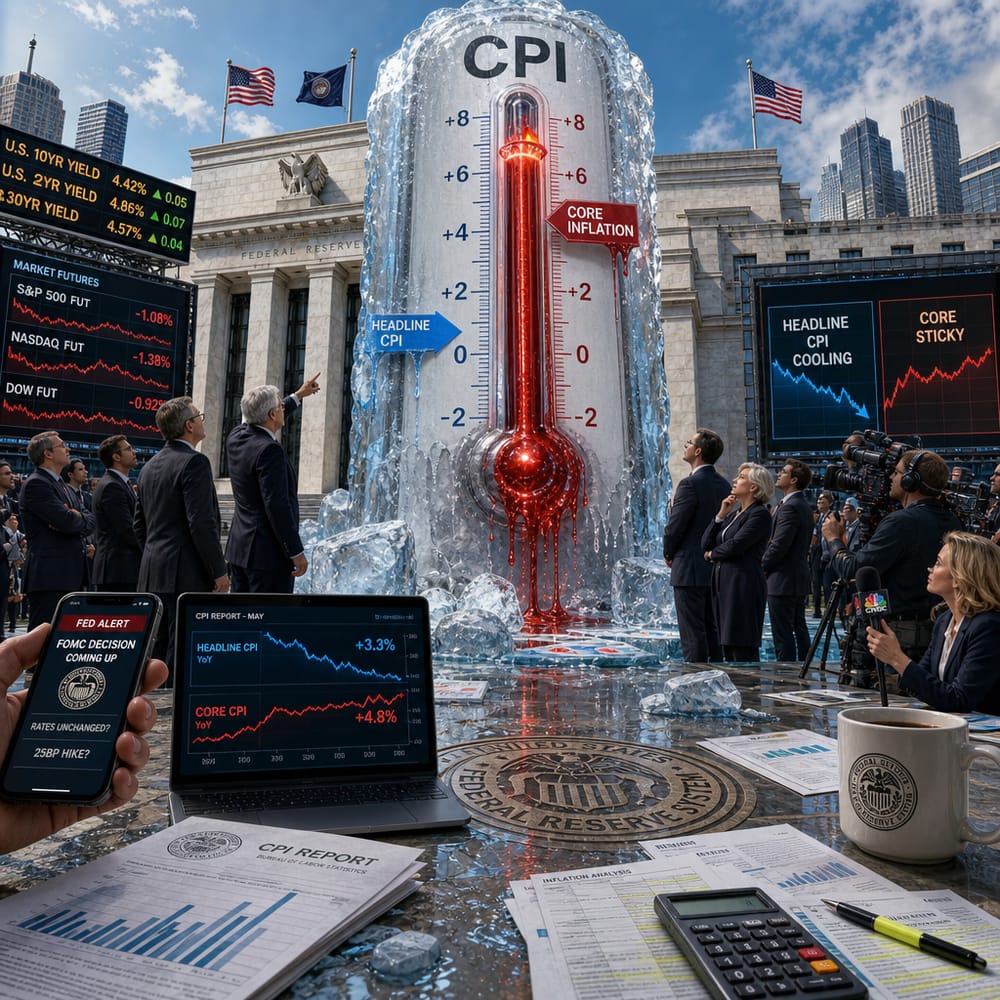
INFLATION’S FRENEMY: WHY CORE INFLATION JUST WON’T COOL DOWN
Inflation is like that old pair of gym socks—just when you think you’ve tackled the stink, a new whiff catches you off guard. The Consumer Price Index (CPI) numbers are in, and while headline inflation has shown signs of cooling, core inflation remains as sticky as a toddler with a popsicle. So, what’s going on, and why should you care?
HEADLINE VS CORE: THE GREAT DIVIDE
First, let’s break down the lingo. Headline inflation measures the total increase in the cost of living, encompassing everything from tomatoes to Teslas. It’s the broadest indicator and is impacted by volatile sectors like food and energy. Core inflation, on the other hand, takes a more disciplined approach by stripping out these volatile components to focus on underlying trends.
So, while your grocery bill might finally be offering a little relief, core inflation isn’t budging. It’s like cutting out the toppings of a pizza but still finding the cheese costs more.
WHY CORE WON’T COOL
The main culprits driving core inflation are as persistent as that post-vacation credit card bill. Housing and services like medical care are the notorious headline-grabbers here. Rising rents and healthcare costs are digging in their heels, refusing to join the inflation cool-down party.
Add to this the wage increases that many sectors have been doling out to keep pace with the rising cost of living. These pay bumps, though great for your paycheck, can put pressure on businesses to up their prices, keeping core inflation stubbornly high.
FEDERAL RESERVE: BETWEEN A ROCK AND A HARD PLACE
Now, why does this matter? Well, our good friends over at the Federal Reserve are watching these numbers like a hawk. Their usual approach to taming inflation is hiking interest rates, a move designed to cool spending and borrowing. But there's more to it than just flipping the interest rate switch.
Persistent core inflation might force the Fed to keep interest rates higher for longer, a decision that sends ripples through the economy like a pebble in a pond. Higher rates make mortgages, car loans, and business borrowing more expensive, potentially putting the brakes on economic growth.
And with the national debt now hitting an eye-watering $40 trillion, the Fed’s maneuvers are under even more scrutiny. Every move comes with a balancing act worthy of Cirque du Soleil, as they attempt to curb inflation without pushing the economy toward a recession.
WHAT THIS MEANS FOR YOU
If you’re wondering what all this means for your wallet, you're not alone. Sticky core inflation often translates into higher prices for everyday essentials, which can squeeze your budget. If you’re in the market for a home or a big purchase relying on credit, keep those Fed meetings on your radar. Higher interest rates could mean higher costs for borrowing.
Investors should also brace themselves for a rollercoaster as markets react to the Fed’s every word. Sectors like real estate might feel the squeeze, while steady earners like consumer staples could weather the storm better.
THE ENDGAME
So, what’s the punchline? Inflation is cooling in some areas but remains a persistent specter in others. This duality complicates the Fed's job and can make financial planning a bit of a head-scratcher.
As we wait for the Fed's next move, remember: informed is empowered. Keep an eye on those inflation numbers, watch what the Fed does next, and stay nimble with your investing and spending strategies. Because, just like those gym socks, inflation’s antics aren’t disappearing anytime soon.
This article is for informational purposes only and is not investment advice. Always do your own research or consult a licensed financial professional before making investment decisions.
© Copyright 2024. All Rights Reserved.
© Copyright 2024. All Rights Reserved.