

CPI Inflation Cooldown Offers Fed Potential Relief—But Is It Sustainable?
Tuesday, August 18, 2026
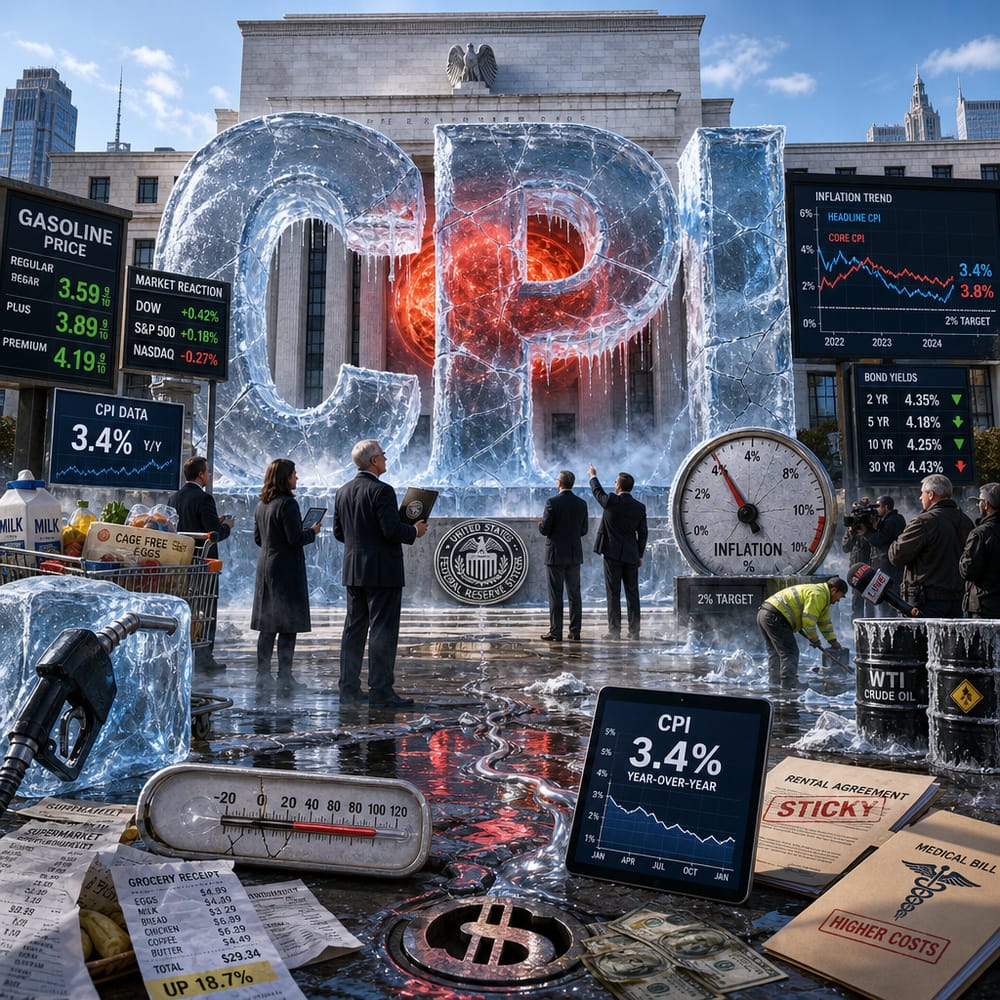
July's inflation numbers rolled in like a cool breeze on a summer's day, showing a slight decrease to 3.4% year-over-year. It's a gentle dip that might just make the Federal Reserve breathe a sigh of relief, even if just for a moment. But don’t pop the champagne just yet—the core inflation is still as sticky as bubblegum on a hot sidewalk. So, what does this mean for you and your wallet, especially if you’ve been eyeing a shiny new interest rate cut from the Fed?
THE COOL FACTORS BEHIND THE COOLDOWN
First, let's play detective and uncover what's behind this inflation cooldown. It's not magic, but rather a substantial dip in energy prices. If you’ve filled up your gas tank recently and didn’t wince as much as in the past, you’ve experienced this firsthand. Energy costs have been sliding down, thanks in part to geopolitical maneuvers and supply chain sorcery. This decline has helped tame the wild beast that inflation has been over the past year.
But unlike a fairytale, this story has multiple layers. Core inflation—excluding those volatile food and energy prices—remains sticky. Think of it as the stubborn guest at the party who just won’t leave. It’s driven by high costs in areas like shelter and medical services, which continue to pinch consumer pockets.
THE FED’S INTEREST RATE DILEMMA
With this mixed inflation bag, the Fed faces its own kind of conundrum. Do they hit pause on hiking interest rates, or do they keep the pedal to the metal to make sure inflation doesn’t rear its ugly head again? For the Fed, it’s about balancing the scales of economic growth and consumer spending without tipping over into recession territory.
If you’ve got loans or credit card debt, you’re probably crossing fingers for a Fed decision that doesn’t make borrowing even more expensive. Yet, the persistence of core inflation could mean more rate hikes, especially if the Fed feels the need to play it safe.
WHAT COULD RUIN THE INFLATION VACATION?
Here’s the twist: any relief we’re feeling now could be as fleeting as a dollar store umbrella in a hurricane. Several factors could rain on this parade and send inflation climbing once again. For one, the global bond market is showing signs of strain, with yields reaching heights not seen in years. High bond yields can trickle into higher borrowing costs, putting pressure on businesses and consumers alike.
Then there’s the wildcard—oil prices. They’re as unpredictable as a cat on catnip, and any geopolitical flare-up could send them skyward, dragging energy prices (and inflation) back up with them.
Finally, the economic standoff between major world powers could shift trade dynamics, impacting everything from how much you pay for your morning coffee to the cost of that imported gadget you’ve been eyeing.
WHAT IT MEANS FOR YOUR MONEY
So what’s a savvy retail investor to do? First, keep your eyes peeled on the Fed’s next moves, as they hold the keys to the kingdom of interest rates. Their decisions will ripple through everything from mortgage rates to your 401(k) returns. Second, consider diversifying your portfolio if you haven’t already. Bet on sectors that may thrive even in a stormy market, like renewable energy or technology.
And remember, while this inflation cooldown might seem like a welcome reprieve, staying informed and adaptable is your best strategy in a market that can change faster than you can say “rate hike.” As always, consult with a financial advisor to tailor a game plan that suits your financial goals and risk appetite.
In the end, whether this inflationary respite is a brief interlude or the start of a new trend depends on how the economic winds blow. But armed with knowledge and a dash of wit, you’ll be more than ready to weather whatever comes next.
This article is for informational purposes only and is not investment advice. Always do your own research or consult a licensed financial professional before making investment decisions.
© Copyright 2024. All Rights Reserved.
© Copyright 2024. All Rights Reserved.