

CPI Gives Fed Breathing Room—but Energy Volatility Looms
Saturday, August 15, 2026
CPI Gives Fed Breathing Room—but Energy Volatility Looms
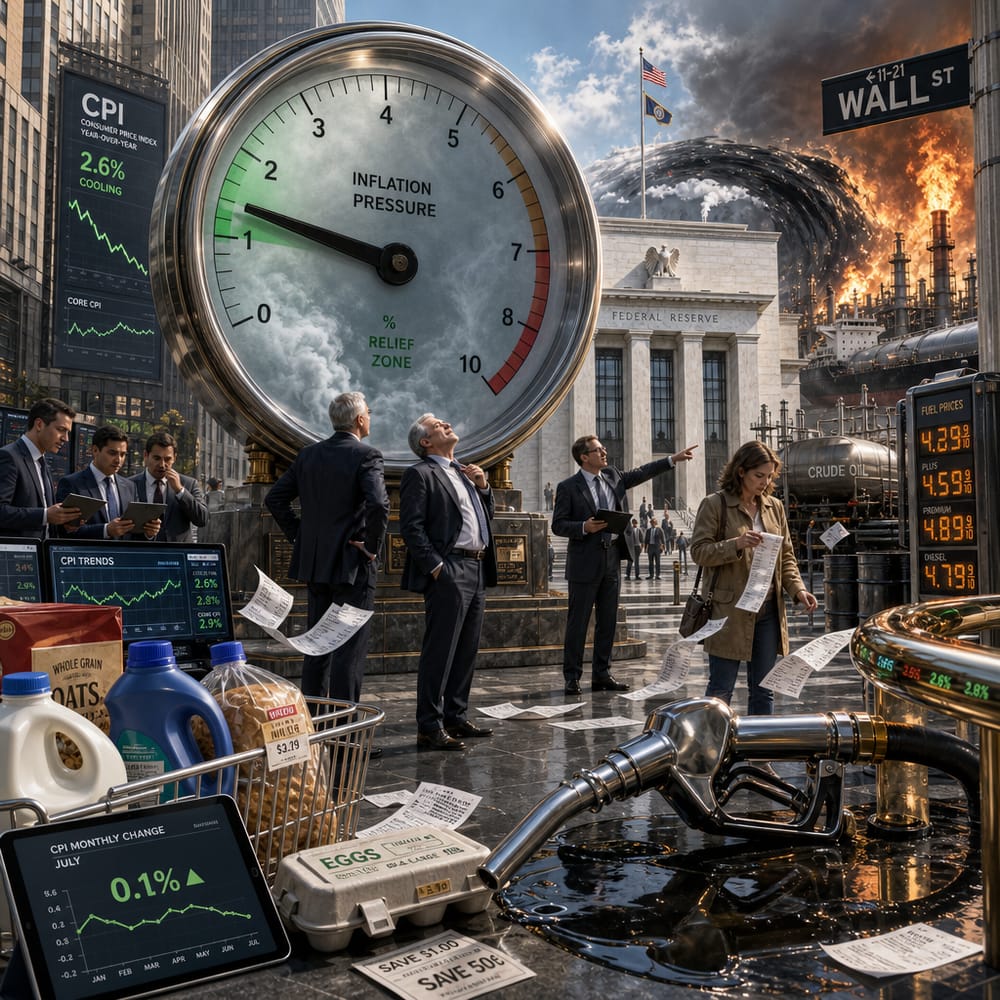
Breathe easy, folks—at least for now. The latest report card on inflation from the Consumer Price Index (CPI) is out, and we’re seeing only a modest 0.1% rise for July. That puts year-over-year inflation at a relatively comfortable 3.4%. But hold on to your hats, because lurking in the shadows is a beast that could shake things up: energy price volatility.
Now, before you dismiss this as just another snooze-worthy economic update, let’s break it down. A stable CPI is good news. It gives the Federal Reserve a little breathing room, kind of like getting a temporary reprieve on a looming project deadline. But much like that deadline, energy prices have the power to rear their ugly head and throw everything out of whack.
The significance of energy prices on overall inflation is like that of a plot twist in a crime thriller—it can change everything. Energy costs trickle down to almost every other sector, impacting the transport of goods, manufacturing processes, and even the electricity bill you grumble over each month. So when energy prices spike, brace yourself for a ripple effect that can send the CPI climbing faster than your heart rate during a horror movie marathon.
But why the fuss about energy volatility now? Picture this: a game of geopolitical Jenga. One wrong move and the whole tower—representing stable energy prices—comes crashing down. With the recent tensions in the Middle East affecting the Strait of Hormuz, a crucial artery for oil transport, any disruption sends shivers down the global supply chain. Iran’s decision to intermittently close the Strait has already shown us how fragile the balance can be. Throw in unpredictable elements like hurricanes or political clout exercises, and you've got a recipe for volatility.
And while we're on the topic of weather woes, let's not forget Tropical Storm Lala. Expected to slam into Hawaii as a hurricane, it’s more than just bad news for vacationers. Natural disasters can disrupt energy supply lines and exacerbate price swings, potentially leaving the Fed and investors alike scrambling for Plan B.
So what happens next? How might the Federal Reserve respond if energy prices decide to take us on a rollercoaster ride? Well, the Fed’s job is to balance our economic teeter-totter, and they’ve been dancing a delicate waltz with interest rates. Should energy costs spike and push inflation higher, the Fed might be forced to tinker with rates yet again. It’s like playing a game of monetary Jenga—they have to be careful which block they pull to keep the whole economy from tumbling.
A sudden rise in energy costs could prompt the Fed to increase rates to keep inflation in check, much like how you'd up the AC in a heatwave. But there's a caveat: cranking up those rates can also cool off economic growth and squeeze consumer wallets. It's a classic case of damned if you do, damned if you don't.
So, where does this leave us? As everyday investors, it’s crucial to keep a close eye on the energy sector. Volatility here could affect everything from your grocery bill to your stock portfolio. If there’s one takeaway, it's this: energy prices are more than just numbers on a spreadsheet—they are a barometer for the economic climate.
As we ride the rollercoaster of market trends, keep an eye on not just the CPI, but also on geopolitical movements and Mother Nature’s whims. Both have a funny way of turning the calmest seas into turbulent waters. For now, enjoy the momentary relief from accelerating inflation, but don’t get too comfortable. In the world of finance, calm waters often precede a storm.
This article is for informational purposes only and is not investment advice. Always do your own research or consult a licensed financial professional before making investment decisions.
© Copyright 2024. All Rights Reserved.
© Copyright 2024. All Rights Reserved.