

CPI Eases in July, But Core Pressures Persist
Sunday, August 23, 2026
CPI Eases in July, But Core Pressures Persist
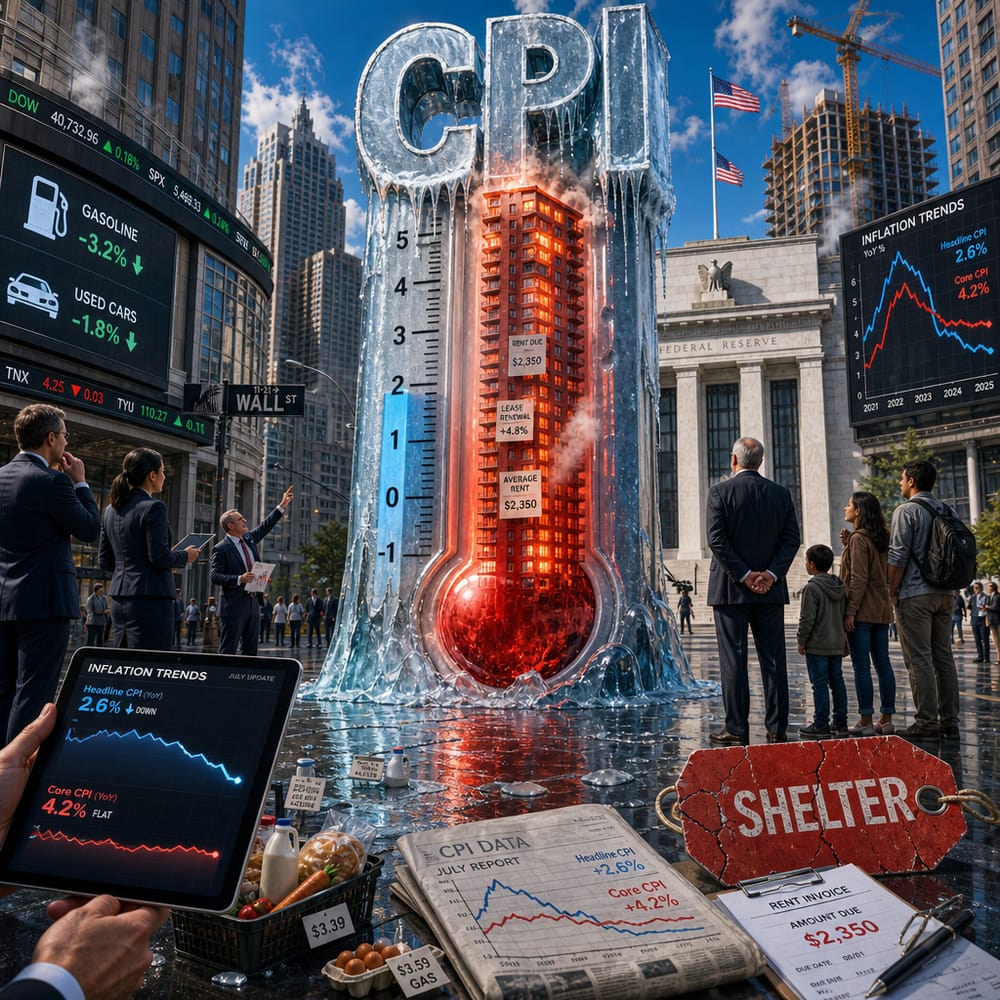
Inflation is like that friend who promised they’d pay you back ages ago — it keeps rearing its pesky head at the most inconvenient times. July's Consumer Price Index (CPI) just dropped, and it looks like inflation is cooling off, albeit modestly. But don't get too comfy—core inflation, particularly in shelter costs, is still flexing its muscles.
July’s CPI data shows a slight ease in inflation, giving us a bit of hope that maybe, just maybe, things are getting back to normal. But hold your horses—when you peel back the layers of the CPI onion, the core inflation, which excludes those volatile food and energy prices, is still sitting pretty. The main culprit here? Shelter costs. Yes, if you think your rent is high now, it’s not just your imagination.
So why should you care about core inflation? It’s a bit like checking the pulse of the economy. It’s a more stable measure compared to headline inflation, which tends to sway with the wild mood swings of energy and food prices. Unfortunately, the consistent climb in core prices is likely to keep the Federal Reserve tossing and turning at night.
KEY DRIVERS OF PERSISTENT CORE INFLATION
One of the primary drivers of this sticky core inflation is housing costs, which continue to balloon like a birthday party gone wild. Demand for housing is outpacing supply, and while the Fed has been hiking interest rates to cool things down, it’s not enough to put a lid on shelter costs just yet. And let’s face it, the cost of a roof over your head isn’t something you can easily cut back on, unlike that fancy latte habit.
Another factor in the mix is wage growth. With the job market still relatively robust, businesses are forced to up their wage offers to attract and retain workers. Higher wages often lead to higher prices, as businesses pass those costs onto consumers.
FED'S POSSIBLE RESPONSE
So, what’s a Federal Reserve to do in the face of stubborn core inflation? The Fed's job is a bit like walking a tightrope over a pit full of alligators. Their main tool, raising interest rates, is designed to discourage spending and borrowing, which cools down the economy. But right now, they're in a tough spot—hiking rates too much can chill the economy to a freeze, while doing too little might let inflation run wild.
Given the persistence of core inflation, it’s likely the Fed will maintain its hawkish stance for a little longer. This could mean more rate hikes or, at the very least, keeping rates elevated for a while. They’re like a chef trying to achieve the perfect sear—too little heat and nothing happens, too much and you’ve got a charred mess.
POTENTIAL MARKET REACTIONS
So, what does all this mean for the markets? Investors are a jittery bunch, and they’ll be dissecting the Fed’s every move and word for clues. If the Fed signals more rate hikes, the stock market could take a hit, as higher rates typically mean higher borrowing costs for businesses and less disposable income for consumers.
On the flip side, if inflation shows signs of truly cooling down and the Fed decides to ease up, we might see a rally as businesses and consumers breathe a sigh of relief. But remember, the markets are as unpredictable as a cat on catnip, so stay tuned.
A SPICY FUTURE AHEAD
The persistence of core inflation, particularly with rising shelter costs, keeps the economic road bumpy. Like a good thriller, the plot’s still unfolding—will the Fed master the art of the economic balancing act, or will inflation continue to throw curveballs? While July’s CPI data provides a glimmer of cooling, the persistence of core pressures suggests the story is far from over.
So, dear reader, as we buckle in for this rollercoaster ride of rates, rents, and economic indicators, keep your wits about you. The Fed’s decisions in the coming months could be the make-or-break factor for both the economy and your investment portfolio. Stay sharp, stay informed, and maybe, just maybe, inflation will finally keep its promise to chill out.
This article is for informational purposes only and is not investment advice. Always do your own research or consult a licensed financial professional before making investment decisions.
© Copyright 2024. All Rights Reserved.
© Copyright 2024. All Rights Reserved.