

Costco Sales Trends: What Investors Should Know
Tuesday, July 07, 2026
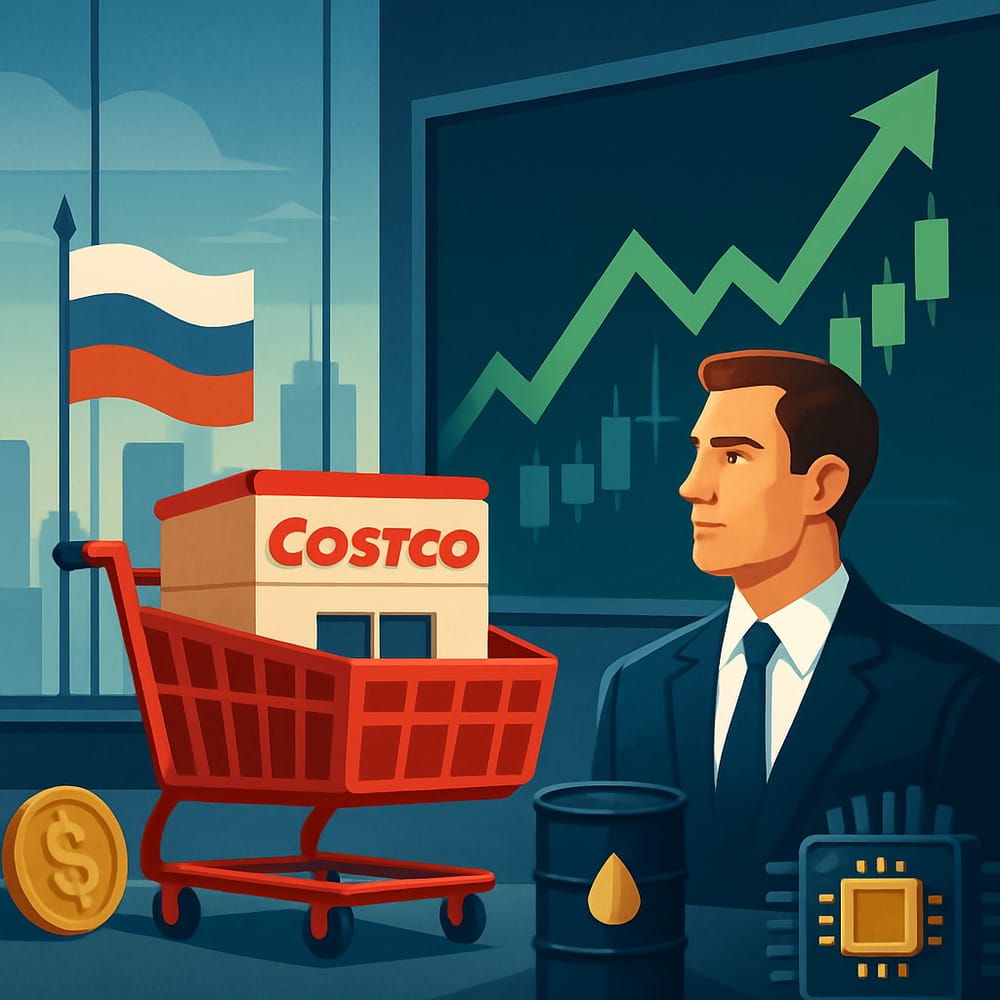
COSTCO SALES TRENDS: WHAT INVESTORS SHOULD KNOW
Let's cut to the chase: Costco just dropped its latest sales numbers, and if you're an investor or just someone who loves poking around the giant aisles of bulk toilet paper and snack barrels, you should be paying attention. This isn’t just about what’s on the shelves—it's a glimpse into the health of consumer spending and the broader retail sector. So, what's going on behind those rolling metal doors at Costco, and why should you care? Let’s dive in.
THE BIGGER CART
Costco’s secret sauce has always been more about the experience than the extravagant. It’s where luxury meats practicality and where your oversized cart is a metaphor for what's driving its sales trends. The latest figures indicate steady growth, fueled primarily by the staples: fresh foods, gasoline, and the ever-important membership fees. Yes, people are still shelling out for those little plastic cards that grant access to the members-only magic land of bulk buys and free samples.
Interestingly, fresh food sales have been sizzling, suggesting that families are sticking to home-cooked meals rather than dining out. Gasoline sales have also pumped up profits, likely thanks to volatile oil prices making Costco's competitive pricing more attractive. And let's not forget the allure of membership fees which pad their bottom line without the hassle of inventory.
A SNAPSHOT OF SPENDING
Now, what does this say about consumer spending habits? For starters, it shows we're prioritizing essentials over splurges. It's like the nation's putting its financial house in order, focusing on necessities rather than extravagances. This aligns with broader economic conditions where inflation fears and interest rate hikes have consumers tightening their belts.
Moreover, Costco’s membership model provides a steady stream of revenue that doesn't wax or wane with the economy's mood swings. When consumers feel the pinch, value shopping becomes the name of the game, and Costco plays it perfectly. The warehouse giant shines brightest in these periods, striking a balance between quality and price that’s tough to beat.
RETAIL RIPPLE EFFECT
So, what does this mean for the retail sector at large? Well, Costco’s performance is a barometer for retail health. Retailers big and small are taking notes, trying to emulate Costco's model. And for good reason. It’s nimble in the face of economic turbulence, bearing the torch with operational efficiency and minimal debt.
However, translating Costco's unique club-fee model to traditional retail settings is easier said than done. The big-box stores of yesteryear are trying to catch up, with digital platforms and loyalty programs springing up left and right. Yet, the truth is, no one does it quite like Costco.
Investors should also be mindful of potential pitfalls. As Costco expands its footprint, it faces challenges like supply chain snarls and labor shortages that can crimp margins. Not to mention, any significant dip in consumer spending could dampen its growth trajectory.
THE FINAL CHECKOUT
In essence, Costco’s latest sales figures are more than just numbers—they're a reflection of consumer psyche and market trends. For the savvy investor, understanding these signals is crucial. It’s a reminder that the retail sector is as much about understanding human behavior as it is about stocking shelves.
Costco, with its loyal members and no-frills approach, stands as a beacon in the retail landscape. Its ability to thrive under pressure offers a playbook on resilience. So, next time you find yourself maneuvering a cart in those expansive aisles, remember: you’re not just shopping; you're witnessing an economic narrative unfold.
This article is for informational purposes only and is not investment advice. Always do your own research or consult a licensed financial professional before making investment decisions.
© Copyright 2024. All Rights Reserved.
© Copyright 2024. All Rights Reserved.