

Convenience Store Giants on a Collision Course: The 7-Eleven, Circle K Power Struggle
Monday, November 04, 2024
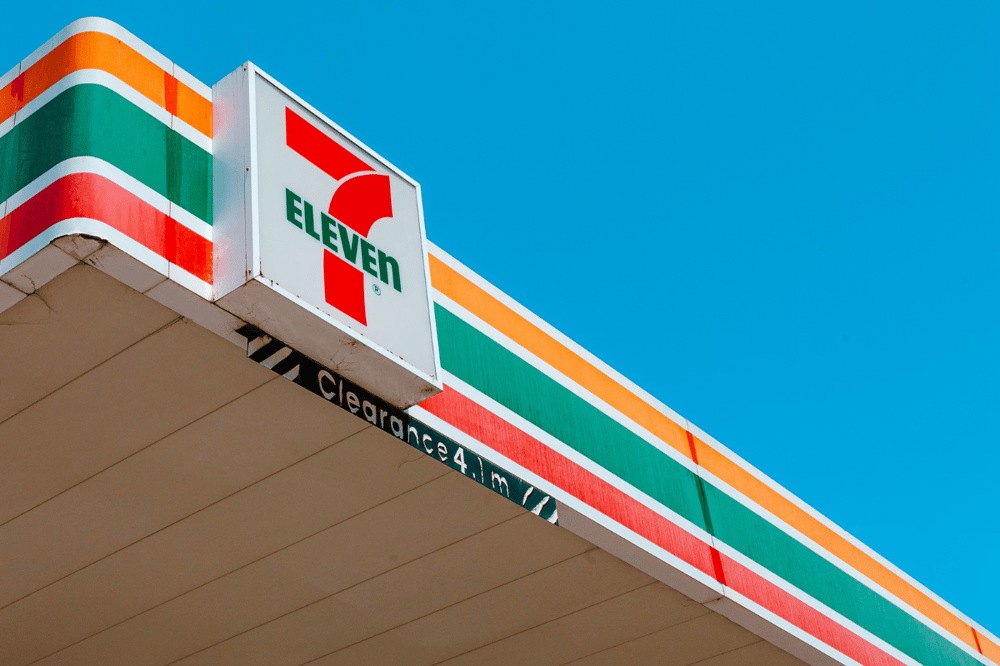
The convenience store industry is headed for a shake-up, whether or not Alimentation Couche-Tard manages to nab 7-Eleven. Currently, the market is a patchwork quilt of single-store owners and smaller chains. But with around 60% of U.S. stores still mom-and-pop owned, consolidation has become the big play for giants looking to expand without the hassle of building new locations from scratch.
Seven & i Holdings, which owns 7-Eleven, seems to be taking a "growth by acquisition" approach in the U.S., echoing its steady M&A moves since 2006. On the other side, Couche-Tard, the owner of Circle K, has been equally acquisition-hungry, attributing a whopping 70% of its locations to buyouts. And even if Seven & i sidesteps Couche-Tard’s offers (so far deemed too low), both chains are likely to go on buying sprees to hit their growth targets.
The motivations are obvious: traditional store build-outs are slow and fuel sales—a key revenue stream—are a low-margin, dwindling category. Food offerings could offset this but require finesse. Only a few chains, like Casey’s General Stores (hello, gas station pizza) and Wawa (with its cult-status hoagies), have cracked the code. 7-Eleven might have a slight edge thanks to its successful food operations in Japan, which it could replicate in the U.S.
The two giants aren’t alone, though. Six other owners operate over 1,000 stores each, creating a pool of tempting acquisition targets—although they’re unlikely to sell out at bargain prices. The question is less about if consolidation will happen, and more about who will end up under whose logo by 2030. In a business where convenience is king, the path to market dominance might be far from straightforward.
© Copyright 2024. All Rights Reserved.
© Copyright 2024. All Rights Reserved.