

Coffee Prices Soar After Roasters Bet Wrong on Market Trends
Monday, March 24, 2025
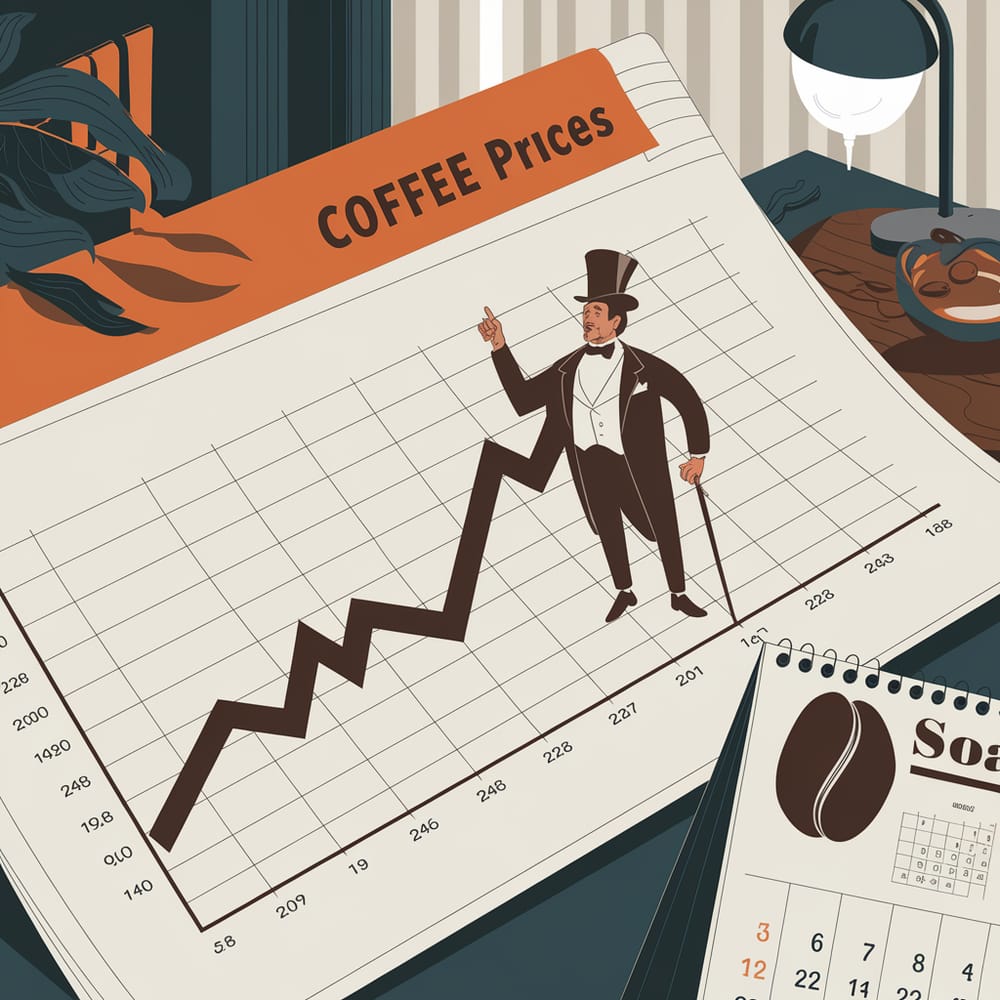
Coffee roasters thought prices would fall—they didn’t. Now, consumers are stuck with the bill.
Big names like Starbucks and JDE Peet’s decided to hold off on hedging against rising coffee prices, hoping for a price drop that never came. Instead, supply shortages persisted, and prices surged to record levels, forcing companies to pass those costs on to customers.
Consumers Now Paying Record Prices
The price of ground roast coffee hit a record $7.25 per pound in February, according to the U.S. Bureau of Labor Statistics. And experts say things could get worse.
JDE Peet’s CEO Rafael Oliveira warned that “significant price increases are inevitable,” while Starbucks CFO Rachel Ruggeri said products sold in supermarkets will be hit harder than café items.
The result? Consumers are likely to see even higher grocery store prices, even as retail sales volumes are expected to suffer.
Roasters Are Playing a Dangerous Game
Roasters typically hedge against price swings by locking in contracts. But when prices began rising last year, many sat on the sidelines, expecting the spike to fade.
That strategy backfired.
-Roasters are now operating “hand to mouth”, buying beans in small batches at the last minute.
-A key hedging metric is at its lowest point in over 11 years.
-Brazil’s drought-stricken crop and high costs have caused the coffee market to enter backwardation, where current prices are higher than future ones.
That means storing beans is expensive—and cash-strapped roasters are struggling to finance transport and inventory.
Small Roasters Hit Hardest
Mid-sized companies like Gregorys Coffee, a New York-based chain, say hedging no longer makes sense. CEO Gregory Zamfotis said that at today’s prices, locking in contracts just doesn’t look attractive.
“Most folks our size aren't seeing great opportunities to hedge,” he said.
Meanwhile, some roasters are operating below the cost of their raw materials, according to Brazil-based broker Thiago Cazarini.
What’s Next for Coffee Prices?
Unless there's a major shift in the supply outlook, prices are likely to remain elevated. And if roasters continue avoiding the futures market, consumers will keep footing the bill.
In short: the coffee industry rolled the dice on falling prices. They lost—and we’re all paying for it now.
© Copyright 2024. All Rights Reserved.
© Copyright 2024. All Rights Reserved.