

Chip Stocks Slip: Is Oversupply the New Watchword?
Thursday, July 02, 2026
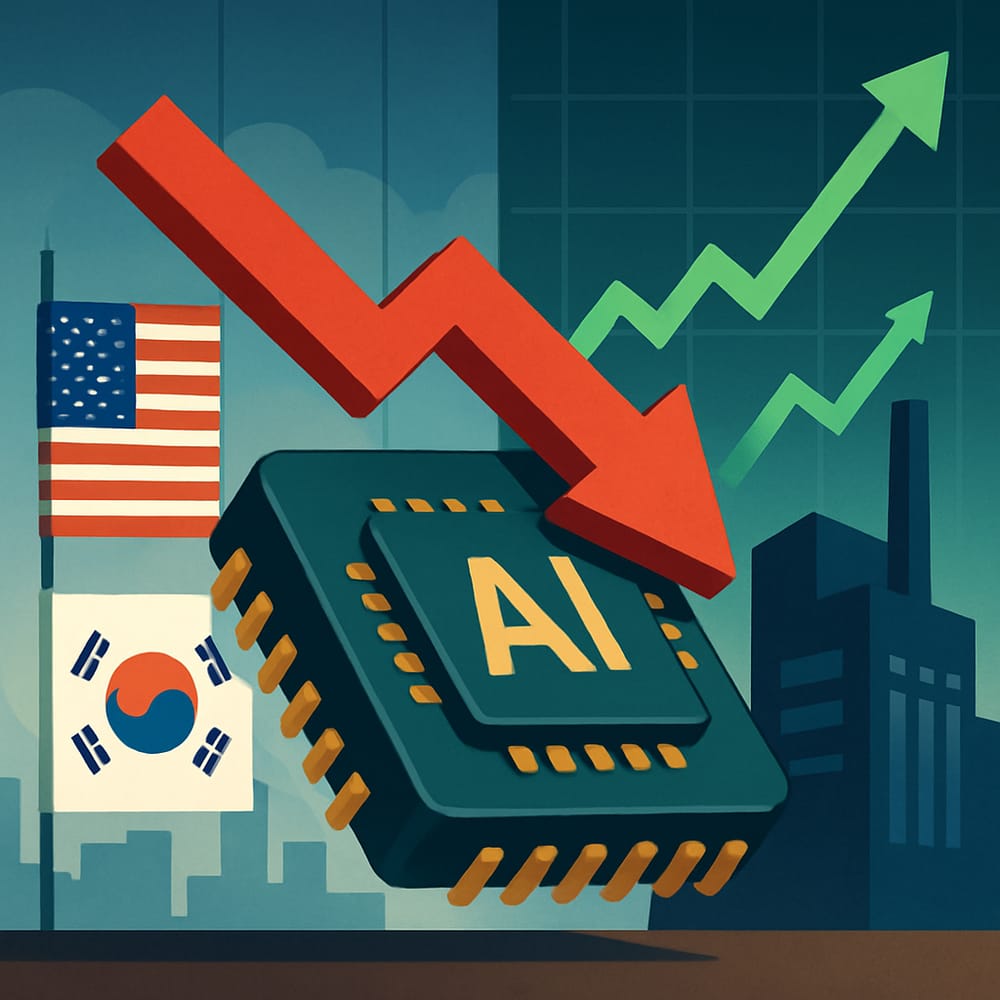
CHIP STOCKS SLIP: IS OVERSUPPLY THE NEW WATCHWORD?
Hold on to your chips, folks! The semiconductor sector just hit a speed bump, and it’s not the kind you can fix with a software update. Picture this: the semiconductor index has tumbled by 6-11%. That’s right, even the tech titans are feeling the pinch. The culprit? A double whammy of profit booking and fears of oversupply have taken center stage, leaving investors wondering if there’s a surplus of silicon heading our way.
Let's dive into the semiconductor scene. It's a world where circuits are sexy, and demand dynamics can make or break your portfolio. In recent years, we’ve seen semiconductors riding high on a wave of demand, fueled by everything from the latest smartphones to those snazzy AI-powered gadgets. But now, it seems the tide might be turning, thanks to oversupply concerns. So, is this just a glitch, or are we staring at a systemic problem?
First, let's talk capacity constraints. For a while, the chip industry struggled with the semiconductor equivalent of a traffic jam. Factories were running at full throttle, and some sectors were as backed-up as the Los Angeles freeway during rush hour. Now, however, those bottlenecks are seemingly easing. More supply is hitting the market, just as demand shows signs of cooling. This mixed cocktail has investors jittery about how it will shake out on those quarterly earnings calls.
Then, there's the AI factor. Artificial intelligence has been the darling of the tech world, driving up demand for the high-performance chips that power machine learning and data processing. But will AI be the hero that saves the day or just a bit player in this unfolding drama? Some argue that AI's insatiable appetite for processing power could offset the softness in other sectors. Others worry that if AI demand falters, we’ll have more chips than we know what to do with, leading to a scenario where suppliers are under pressure to offload excess inventory at bargain-basement prices.
Now, let's talk about the players in this high-stakes games of chips. Who's best positioned to ride out the storm, and who might be vulnerable to a price war? Companies like Micron and SK Hynix, heavyweights in memory chips, could feel the squeeze if prices fall. On the other hand, firms like Intel and Samsung, with diversified portfolios and deep pockets, might weather the storm more elegantly. Super Micro, a lesser-known name in the grand scheme but a player nonetheless, will have to navigate these choppy waters with care.
But wait, there’s more! It seems the semiconductor saga has a subplot. As big names scramble to adjust production, smaller companies struggle to keep up with the swift shifts in supply-demand dynamics. Investors watching this drama unfold are left to ponder: will these companies play it safe, or will they gamble on ramping up production, betting it all on a future uptick in demand?
For now, the smart money is keeping a watchful eye. Some investors are banking on a rebound in demand as the world continues its digital transformation. But there’s no denying that the shadow of oversupply looms large, casting a pall over the once red-hot chip market.
So, where does this leave the everyday investor? Watching and waiting, perhaps with popcorn in hand, as the semiconductor story continues to unfold. Whether you see this as a buying opportunity or a time to hit pause depends on your risk appetite and your faith in the market’s ability to correct itself.
In the end, one thing’s for sure: the world of semiconductors is never boring. As we stand on the cusp of the next technological wave, it’s clear that this isn’t just about chips—it’s about the very future of innovation. So, buckle up, because this ride is far from over!
This article is for informational purposes only and is not investment advice. Always do your own research or consult a licensed financial professional before making investment decisions.
© Copyright 2024. All Rights Reserved.
© Copyright 2024. All Rights Reserved.