

China’s Rare Earth Power Play Exposes a New Era of Economic Warfare
Friday, October 10, 2025
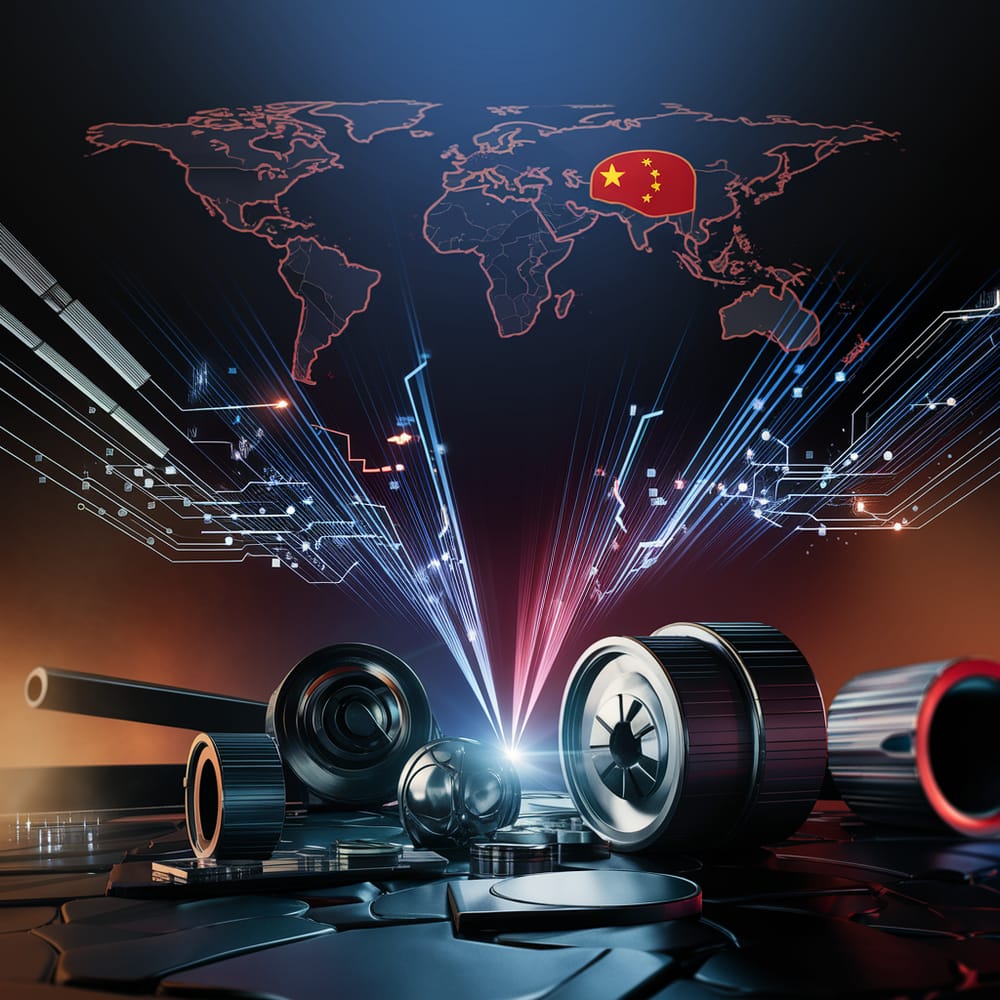
A Silent War Beneath the Headlines
While the world watches trade talks, tariffs, and diplomatic handshakes, China is waging a quieter, more strategic kind of war — one fought not with weapons or sanctions, but with laws. The country’s new restrictions on rare earth exports are the latest example of what experts are calling “lawfare” — the use of legal systems and regulations to advance geopolitical power.
Under these new rules, any magnet containing even trace amounts of Chinese rare earths now needs Beijing’s approval to leave the country. That’s a game-changer for global manufacturing, especially in industries like electric vehicles, defense, and semiconductors.
Turning Laws Into Weapons
This move isn’t random — it’s the next step in China’s expanding legal arsenal. From its Anti-Monopoly Law used to probe companies like Nvidia, to its Anti-Foreign Sanctions Law targeting firms such as Raytheon and Lockheed Martin, China is showing how domestic regulations can be used to hit back at foreign pressure.
Then there’s the Unreliable Entities List, once dismissed as symbolic but now very real. American firms like PVH Corp. (owner of Calvin Klein), Illumina, and drone makers Skydio and Brinc have been added to the list. The punishment? A total ban on cooperation, trade, or data sharing with Chinese businesses.
The message is unmistakable: complying with U.S. law no longer protects companies operating in China — it could actually get them punished.
The Export Control Squeeze
China’s most powerful economic weapon, however, is its Export Control Law. After restricting shipments of gallium and germanium last year, Beijing has now extended its grip to rare earth magnets — key materials used in everything from smartphones to fighter jets.
These aren’t bureaucratic measures buried in paperwork anymore; they’re deliberate levers of global influence. China now controls over 20 key regulatory tools across data, cybersecurity, and trade — each one designed to reward friends, punish rivals, and project power far beyond its borders.
The Battle for Global Standards
Beyond materials and trade, China is also shaping the rules of the global tech economy. Through its China Standards 2035 initiative, it’s pushing its own technological blueprints into international organizations like the ITU, ISO, and IEC — the bodies that decide how future industries like 5G, AI, and smart cities will function.
Chinese firms like Huawei and Hikvision are aggressively participating. Meanwhile, U.S. companies are largely fighting solo, and Washington is barely in the room. That means the systems and technologies that shape the future could soon be built on Beijing’s terms.
What U.S. Companies Need to Do
The real danger, analysts warn, isn’t just China’s growing influence — it’s the lack of preparation in American boardrooms. Many executives still view these legal shifts as distant concerns rather than direct threats. But the next conflict may not involve tariffs or sanctions; it may involve a boardroom caught between U.S. compliance laws and Chinese regulatory demands — with billions on the line.
Corporations must start asking hard questions: What’s their exposure in China? What happens if Beijing’s laws conflict with Washington’s? And are they ready to choose a side when the time comes?
The Bottom Line
China’s rare earth restrictions aren’t an isolated policy move — they’re a preview of how law will be used as a weapon in the next phase of global competition. The world’s largest economies are no longer just trading goods; they’re trading blows through legal systems, compliance rules, and control over critical resources.
As one analyst put it: “These aren’t paper tigers — they’re real, sharp, and aimed straight at the foundation of global business.”
© Copyright 2024. All Rights Reserved.
© Copyright 2024. All Rights Reserved.