

China Loosens Its Grip on Rare Earth Exports — But Keeps Washington Guessing
Friday, November 07, 2025
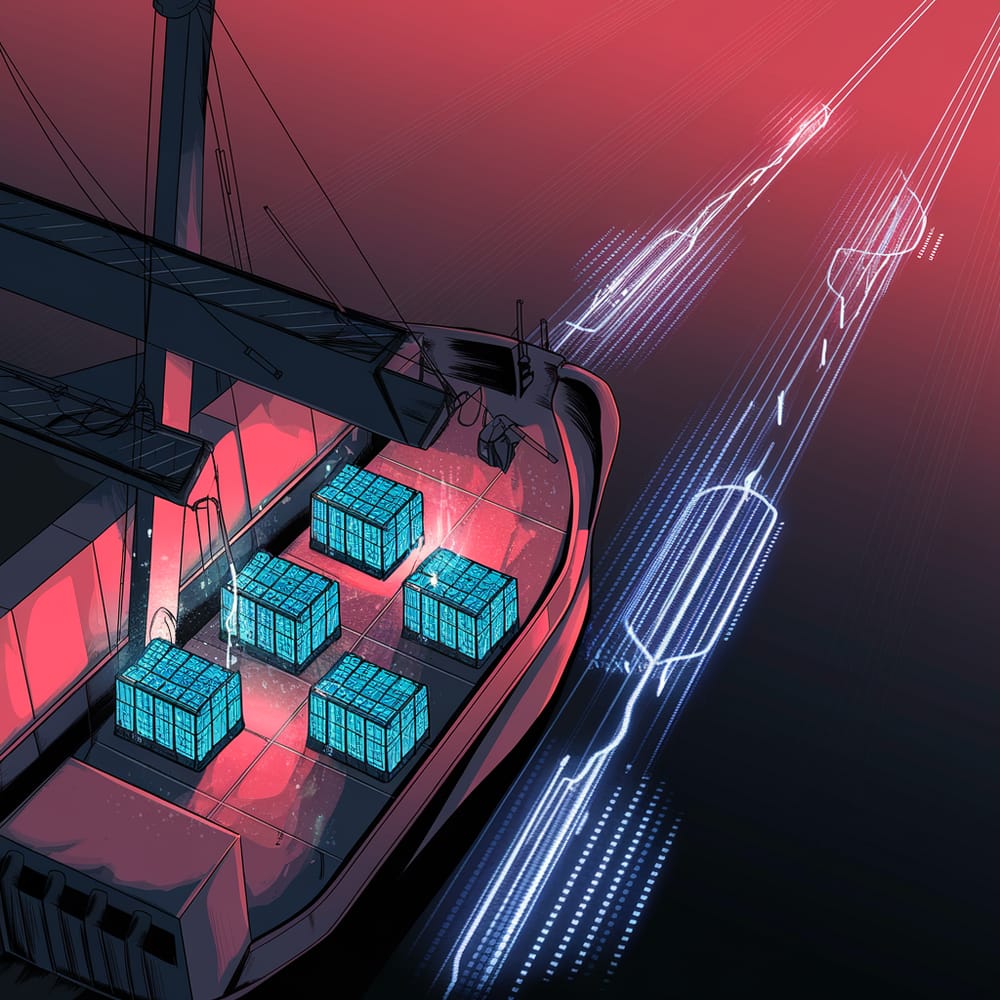
Beijing Blinks, But Just a Little
China has started designing a new rare earth export licensing system that could streamline shipments, marking its first sign of flexibility in months of tense trade negotiations with Washington. But despite the headline, this isn’t the sweeping rollback the U.S. hoped for — it’s more of a recalibration than a retreat.
According to insiders, the Ministry of Commerce told select exporters they’ll soon be able to apply for streamlined, yearlong permits to ship rare earth materials — a shift from the cargo-by-cargo approvals that choked supply chains earlier this year. Still, the move stops well short of ending Beijing’s tight control over the industry.
China remains the world’s undisputed rare earth superpower, refining more than 90% of global supply for materials critical to products ranging from electric vehicles to guided missiles.
Trump and Xi’s Fragile Trade Truce
The decision follows last week’s meeting between President Donald Trump and President Xi Jinping, where both leaders touted progress toward stabilizing trade relations. Trump described it as a “good meeting for two very large, powerful countries,” but Beijing’s follow-up has been more cautious.
After the summit, China announced it would pause its October export restrictions for one year. The White House quickly claimed victory, framing the move as the “de facto end” of Beijing’s export controls. But Chinese officials privately told industry executives that the new licensing system could take months to implement and won’t erase all limits.
What’s Changing — and What’s Not
The upcoming licenses are expected to last 12 months and cover larger export volumes. However, insiders warn they’ll still come with strings attached — especially for buyers tied to defense or sensitive technologies. Firms will need to provide more detailed documentation about their end-use customers, a measure that effectively allows Beijing to keep tabs on where its strategic materials end up.
Since April, Chinese exporters have needed approval for every shipment — a bureaucratic bottleneck that left half of EU applications stuck in limbo and halted parts of the auto industry during the summer. Under the new system, exporters hope for faster turnaround times, but no one expects a free-for-all.
Why Rare Earths Still Matter
Rare earth elements might sound niche, but they power the modern world. They’re essential for EV motors, smartphones, wind turbines, and military guidance systems. By controlling the global supply chain, China wields rare earths as both an economic weapon and a diplomatic tool.
Beijing’s partial easing is a calculated gesture — one that signals goodwill toward Washington without surrendering its leverage. As one analyst put it, “This is diplomacy with a stopwatch — the tap is still in Beijing’s hands.”
The Takeaway: One Step Forward, Two Steps Controlled
China’s new rare earth policy offers short-term relief for manufacturers and a political talking point for both capitals. But make no mistake — Beijing hasn’t given up control; it’s just repackaging restrictions in a friendlier format.
For the U.S. and its allies, the message is clear: even as talks thaw, the supply of the world’s most strategic minerals still runs through China — and that won’t change anytime soon.
© Copyright 2024. All Rights Reserved.
© Copyright 2024. All Rights Reserved.