

California Wildfires Could Slow the Economy and Boost Inflation
Thursday, January 16, 2025
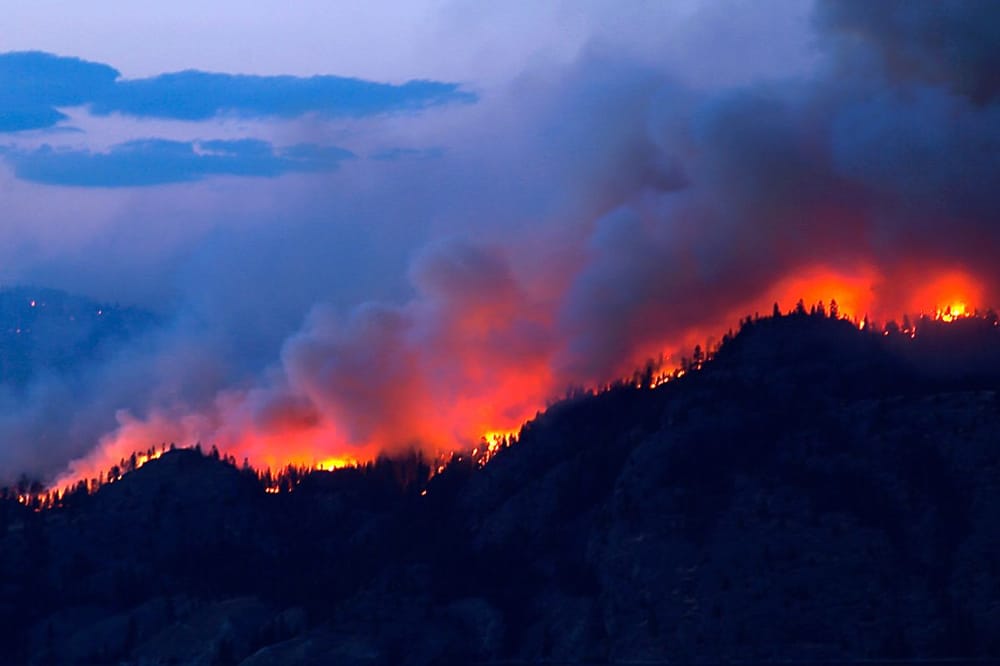
The devastating wildfires in California, particularly in Los Angeles, are set to become the costliest in the state’s history, with total damages estimated at $40 billion. Economists warn that these wildfires will impact the U.S. economy by reducing growth, increasing inflation, and straining resources that are already stretched thin.
Economic Impact
Goldman Sachs predicts that the wildfires will shave 0.2 percentage points off first-quarter U.S. GDP. Morgan Stanley added that California could lose 20,000 to 40,000 jobs, primarily in the service sector, while inflation could rise by 4 to 9 basis points over the next three months due to increased costs for goods such as cars.
Diane Swonk, chief economist at KPMG, noted that the disaster comes at a time when the economy lacks the slack to absorb such a shock. Rising costs for materials and labor are further complicating recovery efforts, while high insurance costs are putting additional upward pressure on inflation.
An Alarming Trend of Weather Disasters
Economists are concerned about the growing frequency and severity of costly natural disasters. In 2024, there were 27 weather events, each causing more than $1 billion in damages—triple the annual average recorded from 1980 to 2023. This includes hurricanes, floods, and wildfires, which are becoming more common due to climate change.
“We’re seeing these ‘once-in-a-100-year’ events happening more often,” Swonk said, adding that rebuilding efforts have become more difficult and less financially feasible for both governments and insurers.
Broader Implications
The Federal Reserve faces added challenges in bringing inflation back to its 2% target, as consumers increasingly expect inflation to persist, according to the University of Michigan’s latest survey. Meanwhile, federal funds for disaster relief are stretched, forcing local governments to handle more of the recovery costs on their own.
Swonk compared the situation to the 1993 floods in Valmeyer, Illinois, where the Federal Emergency Management Agency (FEMA) paid millions to relocate the town. “Those are the kinds of things we don’t do anymore,” she remarked, noting the current lack of funding for large-scale rebuilding projects.
Looking Ahead
With wildfires and other climate disasters becoming more frequent, California’s economic recovery faces prolonged challenges. The broader economy may also feel the ripple effects, especially if inflation remains elevated and rebuilding efforts stall due to resource constraints.
© Copyright 2024. All Rights Reserved.
© Copyright 2024. All Rights Reserved.