

Buffett’s Last Act: The Empire Finds Its Heir
Monday, May 05, 2025
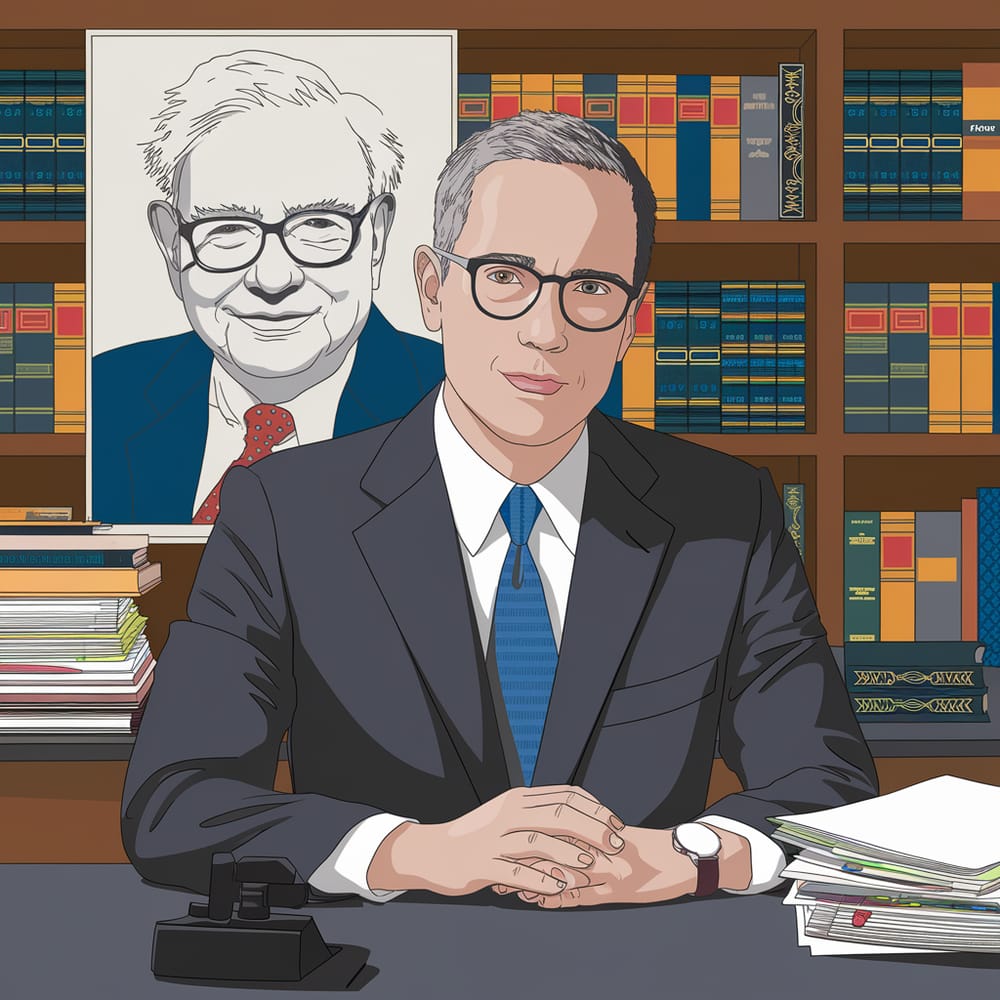
It’s the end of a jaw-dropping, era-defining, meme-worthy era in American capitalism: Warren Buffett, the 94-year-old investing legend and sage of Omaha, has announced he’s stepping down as CEO of Berkshire Hathaway by the end of the year. Yes, really.
He dropped the news like a mic at the end of Berkshire’s annual meeting—an event fondly dubbed “Woodstock for Capitalists”—and stunned a crowd used to hearing timeless wisdom, not succession plans.
The Buffett Curtain Call
Buffett didn’t just run Berkshire. He was Berkshire—a living, breathing embodiment of long-term value investing. From taking over a floundering textile company in 1965 to building a $750 billion empire spanning insurance, candy, railroads, and more, his fingerprints are on every brick.
But as he looked out over a crowd of fans, followers, and future money managers, he said it was time. Time for Greg Abel, his chosen successor and current vice chairman, to take the wheel.
“The time has arrived,” Buffett declared. Abel will officially take over operations in 2026, though the transition begins now. Buffett will stick around behind the scenes—but the power, the decisions, and the big bets? That’s Abel’s game now.
Meet Greg Abel: The Next CEO
Abel, 62, is no stranger to the Berkshire machine. A Canadian-born energy executive, he first entered the Berkshire orbit back in 1999 when Buffett invested in MidAmerican Energy. Abel climbed the ranks quickly, earning Buffett’s trust and a seat on the board. In 2018, he was promoted to oversee all of Berkshire’s noninsurance businesses—a job that’s practically CEO training camp.
By 2021, Buffett had made it clear: Abel would be his successor. But even Abel looked caught off guard when the Oracle made it official in front of thousands at the CHI Health Center in Omaha.
A Company—and a Culture—at a Crossroads
This isn’t just a leadership change. It’s the passing of a torch that lit up Wall Street for six decades. Buffett’s folksy wisdom, unmatched investing instincts, and steady hand earned him rock-star status in financial circles. He turned shareholder letters into literary events and boardroom decisions into parables of common sense.
JPMorgan Chase CEO Jamie Dimon called Buffett a symbol of what’s right about American capitalism—integrity, optimism, and straight talk. And he’s not wrong.
But the question on everyone’s mind now? Can Abel replicate the magic—or is this the beginning of a very different chapter?
What Buffett Leaves Behind
Buffett isn’t fading into retirement just yet. He’ll still be involved as chairman, and he’s said he might chime in occasionally. But when it comes to capital allocation and operations—the stuff that built Berkshire—Abel has the final say.
Buffett also confirmed that only two people knew about his plans ahead of time: his son Howard, who will eventually step in as non-executive chairman, and his daughter Susan. That’s it. The reveal wasn’t just unexpected—it was peak Buffett: understated, elegant, and seismic.
Legacy in Numbers (and Candy)
Let’s not forget: Buffett bought See’s Candies. He also bet big on Apple. He made railroads cool again. He kept hoards of cash on hand when others panicked. And he did it all while living in the same modest Nebraska home he bought in 1958.
His legacy isn’t just in numbers—it’s in discipline, patience, and the belief that investing isn’t about hot tips or fast moves, but about owning great businesses and waiting.
As one shareholder put it, “It was a special moment—the end of an era.”
Buffett called it his 60th and best-ever annual meeting. And maybe that’s the perfect closing line for a man who never really needed one.
© Copyright 2024. All Rights Reserved.
© Copyright 2024. All Rights Reserved.