

Broad Sell-Off Driven by Oil Prices and Inflation Concerns
Friday, August 21, 2026
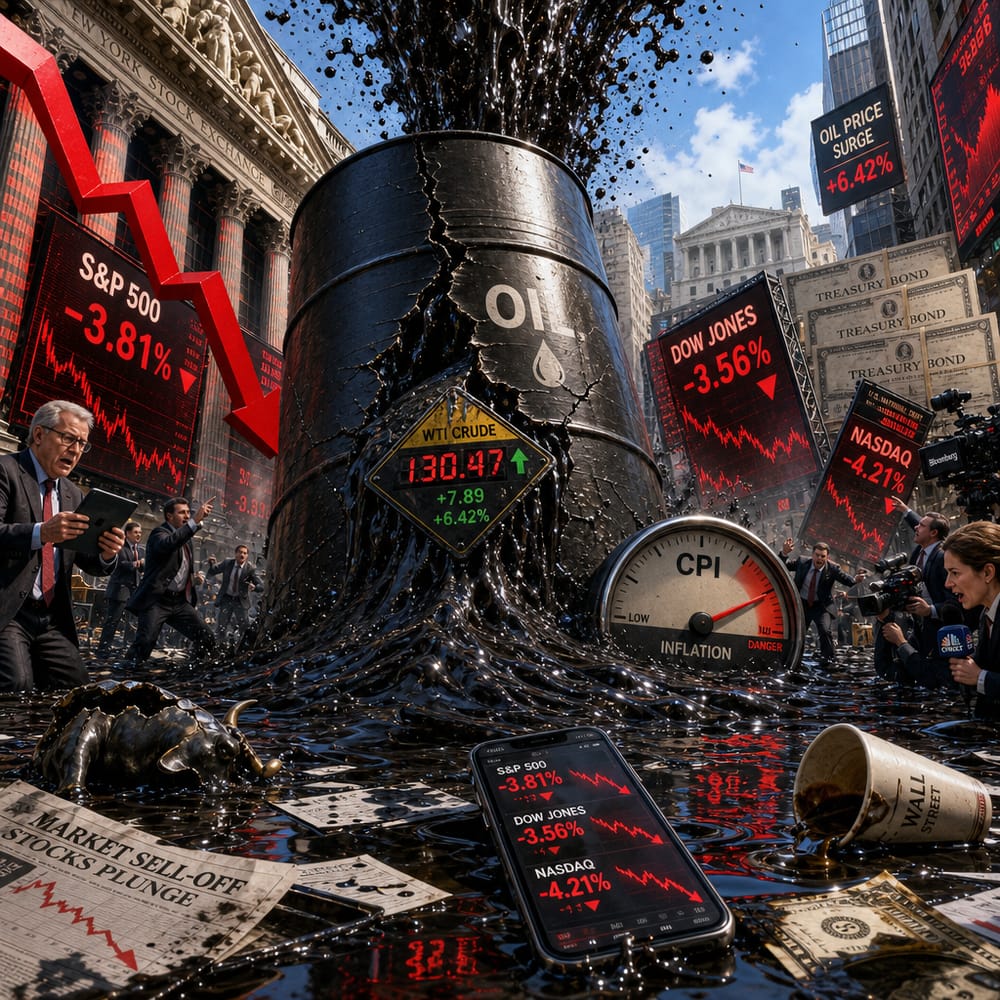
OIL PRICES AND INFLATION: THE SLIPPERY ROAD AHEAD FOR MARKETS
If you thought August was all about squeezing in those last lazy poolside afternoons, think again. Wall Street has had its feet to the fire this week, as markets took a nosedive not seen in three weeks. The culprits? Skyrocketing oil prices and inflation fears that just won't quit. It's like the financial equivalent of a surprise cannonball into the deep end.
The S&P 500, Dow, and Nasdaq all felt the burn, spiraling down faster than you can say "commodity crisis." This latest market mayhem is driven by oil prices climbing like they're auditioning for a spot in the Olympic high jump, and the ripple effects are enough to make anyone with a 401(k) break into a cold sweat.
But why does oil, that slippery black gold, wield such power over our wallets and markets? In the world of economics, oil isn't just a commodity; it's the lifeblood of industry. When prices rise, so do production costs for businesses, from airlines to manufacturing. And guess who ends up footing the bill? Yep, you got it—consumers like you and me.
Now, if you’re thinking, "I don't even drive that much," it's not just about what you're paying at the pump. Higher oil prices pump inflation into the system like a caffeine shot, raising the cost of goods and services across the board. When companies face rising costs, they often pass them on to consumers, leading to higher prices on everything from groceries to gadgets. Your morning latte might just start to feel like a luxury item.
So, what does this mean for consumer spending? It’s not great news. When households start seeing higher bills for essentials, their discretionary spending—the fun money for eating out, vacations, or splurging on that fancy new tech toy—tends to tighten up faster than a drum. This belt-tightening can stifle economic growth and send jitters through an already skittish stock market.
The current oil crunch has a lot to do with geopolitical tensions and production bottlenecks. With the U.S. government ramping up pressure on Iran and concerns over the Strait of Hormuz simmering, oil prices have been on a relentless upward march. It's a classic case of supply meeting geopolitical drama with a side of speculation.
But there’s more to this tale than just oil. Inflation worries are adding fuel to the fire. As prices climb, bond yields—which are essentially the cost of borrowing money—have also been on the rise. This can lead to higher interest rates, making everything from mortgages to business loans more expensive. It's like a game of financial dominoes, each one toppling the next.
The markets might be trying to bounce back from this yield-driven sell-off, but it’s clear the path ahead is as murky as a cup of gas station coffee. Investors are caught in this tango of hoping for economic resilience while dreading the inflation boogeyman lurking in the shadows.
For the average Joe or Jane scrolling through this drama on their phone, the key takeaway is this: keep an eye on your expenses and budget for a little extra padding in your monthly spend. Oil prices are notoriously volatile, so it's a wise move to brace for potential shocks.
In the grand scheme of things, this oil and inflation double whammy might just be a temporary speed bump. But until the markets find their footing, and supply challenges meet political resolution, it's going to be a bumpy ride. Fasten your seatbelt, keep calm, and maybe, just maybe, think twice before splurging on that extra-large inflatable flamingo for the pool.
This article is for informational purposes only and is not investment advice. Always do your own research or consult a licensed financial professional before making investment decisions.
© Copyright 2024. All Rights Reserved.
© Copyright 2024. All Rights Reserved.