

Bond Market Stabilizes After Treasury Buybacks Begin
Thursday, August 27, 2026
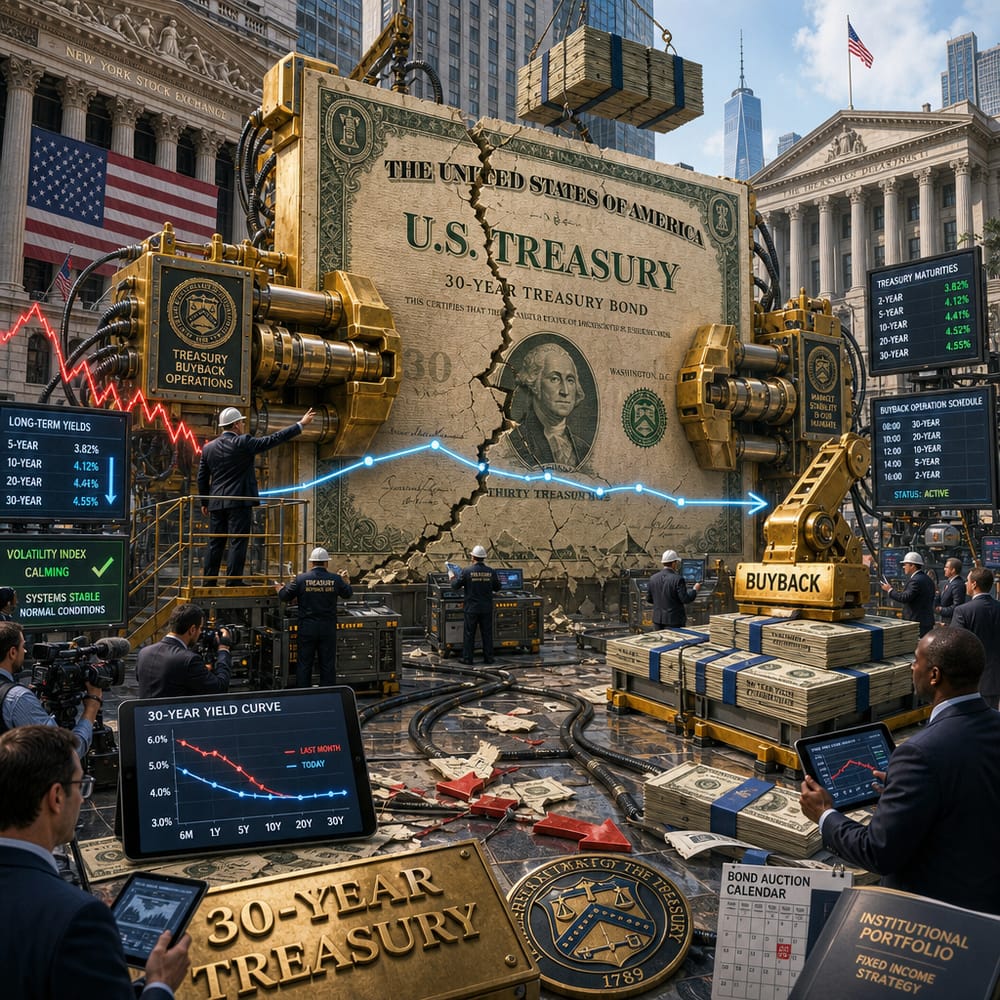
In a world where financial markets sometimes feel like a rollercoaster ride designed by caffeine-crazed theme park engineers, it's always nice to hear about some good old-fashioned stabilization. That's what we've got in the bond market, thanks to a move by the U.S. Treasury that's less about fireworks and more about soothing a bad case of the jitters.
Let's dive into the recent news that Treasury yields have started to stabilize. And no, we're not talking about some mythical creature from financial folklore. We're talking buybacks. Yes, Uncle Sam has rolled up his sleeves and decided it's time to play a little defense by buying back some of those long-term government bonds that have been causing a few too many sleepless nights.
So, what exactly happened? The Treasury Department announced they're buying back some of those long-term bonds. Imagine having a garage sale, but instead of selling old junk, you're buying it back to tidy things up. This move was intended to inject a dose of calm into the market, and it's seemingly doing the trick.
Now, why should you care about long-term Treasury yields? Well, they might not have the glitz and glam of tech stocks or the rollercoaster drama of meme stocks, but these yields are a big deal. They're like the quiet kid in class who suddenly becomes a trendsetter. When long-term yields rise, borrowing costs for everyone from the government to you and me can start to look a lot less friendly. Not exactly what we want when we're eyeing that new car or house, right?
Before the buyback announcement, long-term yields were doing a pretty convincing impersonation of a temperature gauge in July—creeping up and up, which had quite a few folks on edge. Higher yields can mean higher interest rates on everything from mortgages to car loans. Yikes!
Enter the Treasury's buyback plan. By purchasing bonds, the aim was to reduce the supply of these securities in the market, pushing their prices up and, in turn, nudging yields down. It's a classic case of supply and demand. With fewer bonds floating around, there's less pressure pushing those yields up.
So far, it seems to be working. Long-term yields have started to level out, a bit like finally finding that sweet spot on your new mattress. For businesses, this reduction in yield volatility is a breath of fresh air, potentially lowering borrowing costs and giving them the green light to invest in growth. For consumers, it might mean that those future home or car loans could be a bit more affordable than feared.
But let's zoom out a bit. What's the ripple effect on the broader economy? Stabilizing yields can help calm the general mood in financial markets. It's like your favorite sitcom rerun that makes everything feel cozy again. When investors aren't freaking out about bond yields skyrocketing, they can focus on other things—like investing in companies that actually make stuff or provide services, which is kind of the point of the stock market.
Of course, nothing in finance is ever straightforward. While the buybacks have made long-term yields less of a heart-thumping adventure, there's still the pesky issue of inflation. Remember that old adversary? Some experts, like Kansas City Fed's Jeffrey Schmid, are ringing alarm bells about inflation being as stubborn as a mule. Inflation's impact on interest rates and consumer purchasing power can't be ignored. If it stays too high, even a stabilized bond market might not save us from potential rate hikes.
In the end, the Treasury's buyback move is like a dose of chamomile tea in a market that's been sipping espresso. It's calming things down, at least for now. But finance, much like life, is always a balancing act, and there's no shortage of variables that could spark a new round of volatility. So, while we enjoy this moment of stability, it's worth keeping an eye on the horizon for any brewing storms.
Remember, when it comes to the world of bonds, yields, and your financial well-being, staying informed is your best defense. Now might be a good time to revisit those investment strategies and make sure they're aligned with where things are headed. Because, let's face it, even in a stable market, you never know when the next twist or turn might come.
This article is for informational purposes only and is not investment advice. Always do your own research or consult a licensed financial professional before making investment decisions.
© Copyright 2024. All Rights Reserved.
© Copyright 2024. All Rights Reserved.