

Bond Market Reacts to Inflation Data
Thursday, August 06, 2026
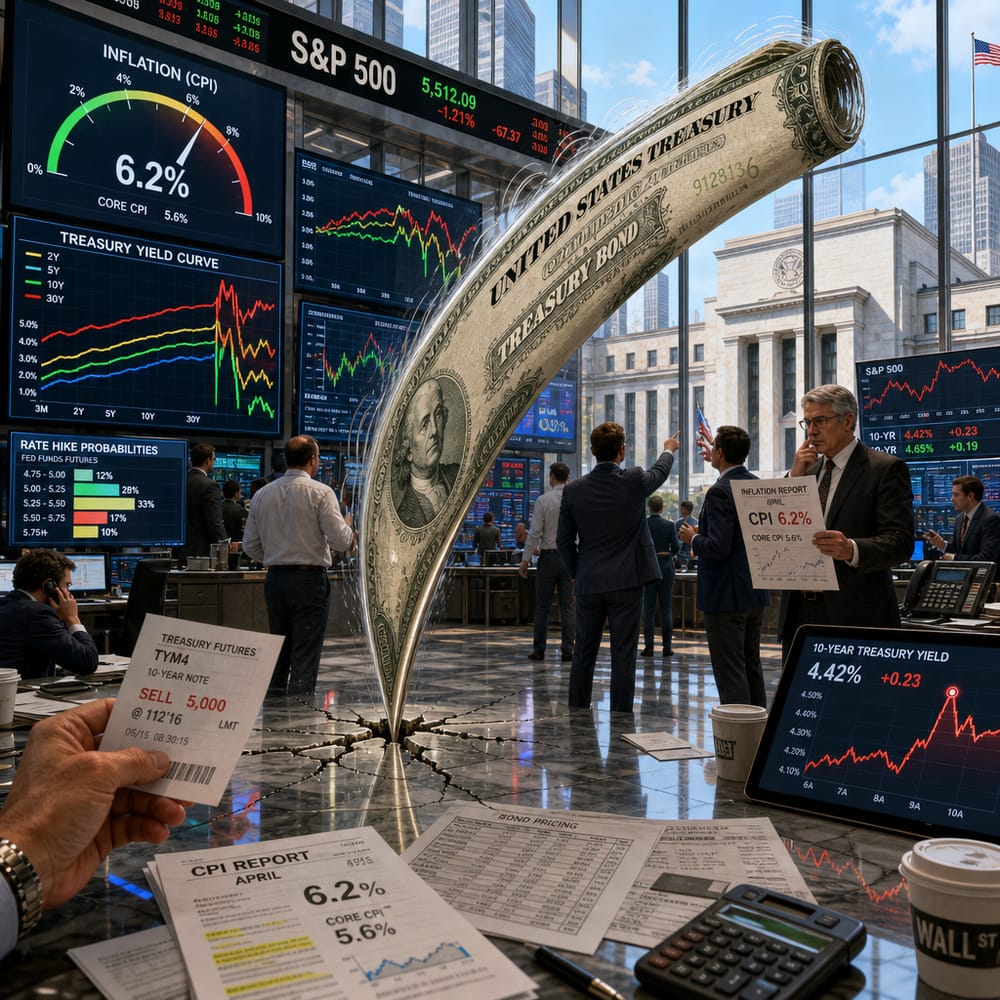
INFLATION SHAKES UP THE BOND MARKET: WHAT YOU NEED TO KNOW
Hold onto your hats, folks, because the bond market just got a jolt from the latest inflation data. As if 2026 wasn’t spicy enough with AI powerhouses and geopolitical dramas, inflation numbers have stomped onto the stage, demanding the spotlight. And the bond market? Well, let's just say it's not taking it lying down.
Let’s kick things off with the main event: the latest inflation data. The numbers revealed that inflation is not just a guest at the party, but it’s ready to move in. Prices have been climbing, fueled by everything from rising energy costs to supply chain disruptions that seem to enjoy making our lives difficult. For those of us with a penchant for data, the headline inflation rate is ticking up, which suggests the cost of living isn't coming down anytime soon.
So, what’s all the hullabaloo about? Inflation matters because it’s the financial world’s version of the canary in the coal mine. When it gets wind of rising prices, the first to react are often the bond markets, and react they did. Bond yields, which move opposite to bond prices, have been on a roller coaster ride. Why? Because investors are getting jittery about what the Fed might do next with interest rates.
Imagine this: your bonds are like a cozy savings account. You bought them believing they’d give you a nice, steady return. But when inflation rears its ugly head, those returns look puny because your money's buying power is shrinking faster than your post-holiday bank balance. Investors start selling, and bond prices drop, causing yields to spike.
The 10-year Treasury yield, the big kahuna in the bond world, has been flirting with levels that are starting to make people sit up and pay attention. This yield is like a lighthouse, guiding everything from mortgage rates to corporate borrowing costs. When it starts climbing, it signals that borrowing might just get more expensive.
But wait, there's more. Rising bond yields could ripple out and hit the broader market, including our darling S&P 500. Higher yields make bonds more attractive compared to stocks, which could pull some investors out of riskier assets and into the relative safety of bonds. If you're thinking "stock market sell-off," you wouldn't be alone. This could mean a bumpy road ahead for equities, especially those high-flying tech stocks that have been riding the wave of investor enthusiasm.
So, what does this inflation data mean for you, the intrepid retail investor scrolling through your phone for the next big play? First, keep an eye on what the Fed does next. Interest rate hikes could be on the horizon if inflation doesn’t ease up. Such moves could shake up everything from your 401(k) to your savings account interest rates.
Second, consider the positioning of your portfolio. Are you heavy on growth stocks that could suffer if rates rise, or do you have a balanced mix that can weather the storm? Bonds, especially Treasury bonds, might seem like a safe bet in times of turmoil, but they come with their own set of risks when yields are rising.
And finally, stay informed. The bond market is like the financial world’s seismograph—its movements can warn us of bigger shakes to come. Use this as a wake-up call to review your strategies and ensure you’re prepared for whatever the market throws your way next.
In a world where the news cycle is as relentless as a caffeinated squirrel, keeping up with inflation and bond market moves is crucial. So, buckle up and stay sharp, because in the financial markets, there’s always another twist around the corner.
This article is for informational purposes only and is not investment advice. Always do your own research or consult a licensed financial professional before making investment decisions.
© Copyright 2024. All Rights Reserved.
© Copyright 2024. All Rights Reserved.