

Bitcoin Mining Under Pressure: Difficulty Reset
Monday, August 17, 2026
BITCOIN MINING UNDER PRESSURE: DIFFICULTY RESET
In the world of crypto, it's not always the wild price swings that keep miners up at night. Sometimes it's the stealthy villain known as "difficulty reset" that sneaks in to wreak havoc. Buckle up, because the most recent shake-up in Bitcoin's difficulty level is causing more sleepless nights than a toddler with a sugar rush. It's the 15th reset, and this one might just be the plot twist that miners weren't ready for.
First, a crash course for the crypto-curious. Bitcoin operates on a decentralized network, which means a global army of computers (or miners) are racing to solve complex puzzles. The first one to crack the code adds a new block to the chain and earns a Bitcoin payday. But there's a catch: every two weeks or so, the network adjusts the difficulty of these puzzles to ensure blocks are added at a steady pace, about every ten minutes. Think of it like a treadmill that speeds up if people are running too fast and slows down if they're lagging behind.
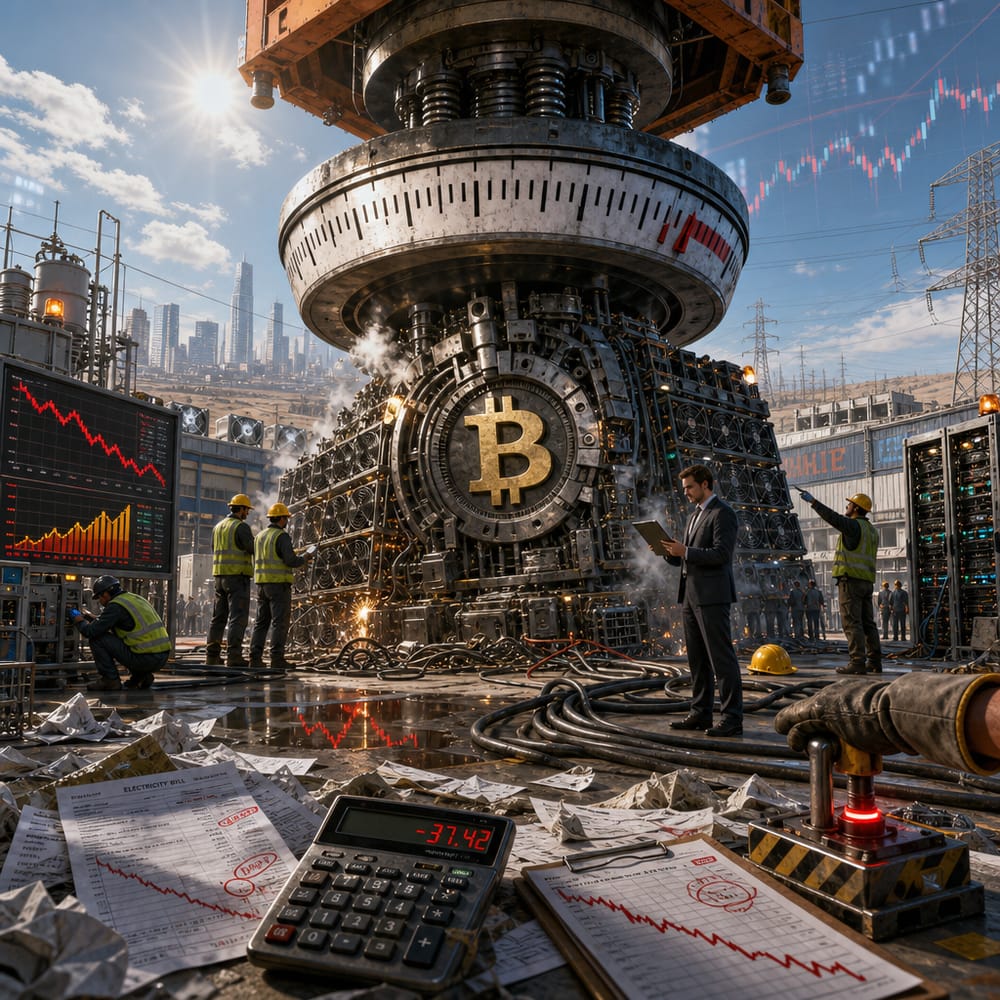
So, what's the big deal with this difficulty reset? Well, the latest adjustment has ramped up the heat, making it tougher (and more expensive) for miners to claim their crypto rewards. This is putting many of them in a tight spot, as production costs are now outpacing revenues. Picture trying to dig for gold while the price of your shovels triples overnight. That's the predicament miners find themselves in.
Now, not all miners are created equal. The big players, with their deep pockets and super-efficient mining rigs, might grumble a bit but will likely weather the storm. These major firms, like Marathon Digital and Riot Platforms, have the resources to invest in the latest tech that can handle the higher difficulty. But for the smaller outfits, this could be the last straw. Reduced margins mean some might have to switch off their machines for good, unable to keep up with the spiraling costs.
But what does this mean for the rest of us, the casual crypto enthusiasts and armchair investors? For starters, if smaller miners start dropping off like flies, there's a risk of increased centralization. Fewer miners mean fewer players controlling the hashpower—the computational engine of the Bitcoin network. This concentration could make the network less secure, much like putting all your eggs in a very expensive, very high-tech basket.
And let's not forget, if more miners hit the off switch, the network could become less decentralized, which is kind of the whole point of Bitcoin in the first place. Imagine a library where only a few people have the keys. They might still share the books, but they could limit who gets to read the good ones.
So, how are the big guns handling this pressure cooker environment? Keep an eye on their financial reports. Are they scaling back operations or doubling down on efficiency upgrades? Some might see this as a golden opportunity to gobble up smaller players, leading to potential consolidation in the industry. It's a crypto version of Survivor, and only the fittest will persist.
For retail investors, this situation is a double-edged sword. On one hand, a more secure and efficient network could make Bitcoin a more attractive investment. On the other, increased centralization could raise concerns about the very essence of the decentralized dream. It's like rooting for your favorite underdog, knowing that if they win, they might lose what makes them special.
In the end, the latest Bitcoin difficulty reset is more than just a technical adjustment; it's a stress test for miners and a psychological game for investors. Keep your eyes on the big players and the market's reaction, because this rollercoaster is far from over. As always in the world of crypto, expect the unexpected, and hold on to your digital hats.
This article is for informational purposes only and is not investment advice. Always do your own research or consult a licensed financial professional before making investment decisions.
© Copyright 2024. All Rights Reserved.
© Copyright 2024. All Rights Reserved.