

A Year of Tariffs Hasn’t Slowed China’s Factories — It’s Made Them Busier
Thursday, February 12, 2026
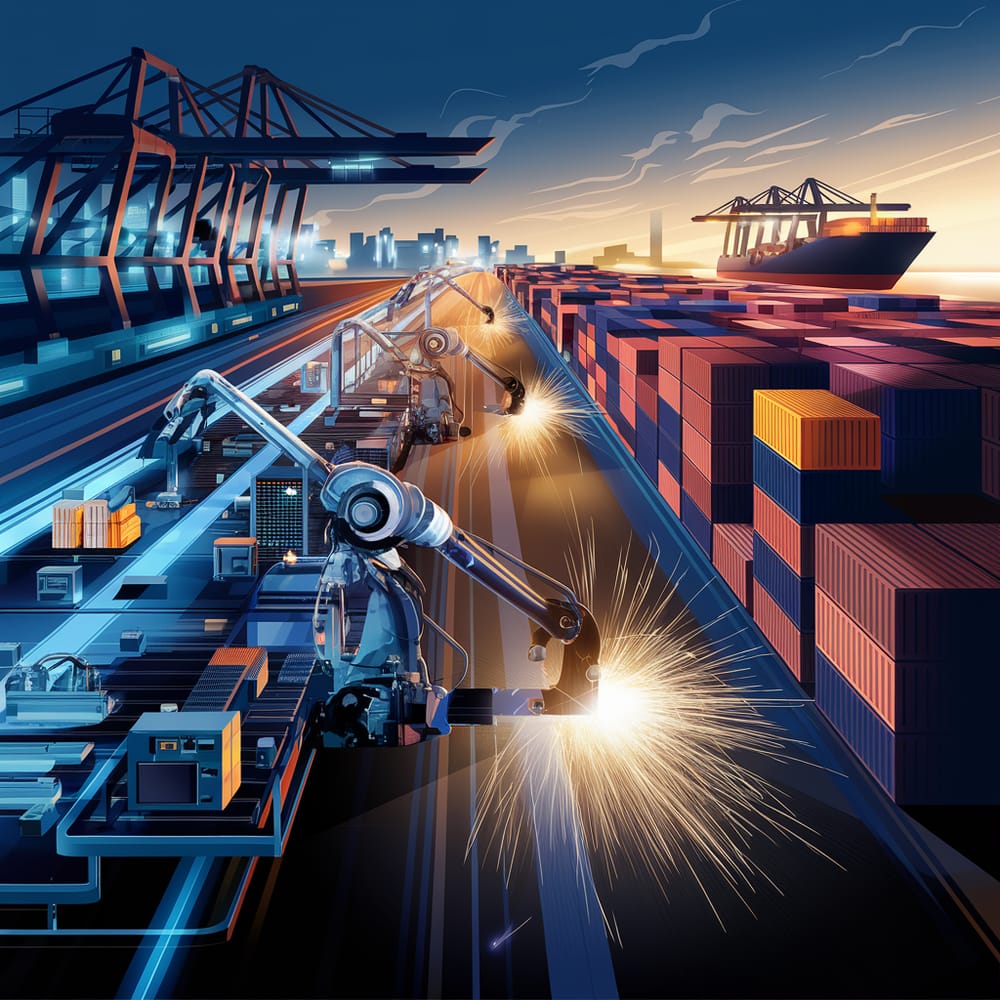
Factories Are Running Hot Again
One year after sweeping U.S. tariffs rattled exporters, factory floors across China are humming. Production lines are running near full capacity as manufacturers rush to ship orders ahead of the Lunar New Year shutdown. The pace looks strikingly familiar — and that’s the point. Despite higher costs and political tension, demand hasn’t vanished. It’s adapted.
Ports Tell the Same Story
China’s major ports are packed with containers, pushing freight activity well above recent years and driving shipping prices higher. Traffic congestion has become so intense in some hubs that terminals are operating beyond capacity, forcing logistics companies to suspend intake temporarily. For exporters, the urgency isn’t optional — it’s a race against holiday deadlines and global demand cycles.
Tariffs Changed Behavior, Not Demand
The past year has been defined less by collapse and more by recalibration. Many companies initially froze orders or rushed shipments during periods of uncertainty, then resumed once conditions stabilized. While some supply chains have diversified toward Southeast Asia or Europe, China remains deeply embedded in global manufacturing, especially for complex or high-volume production.
Costs Are Rising, But Orders Keep Coming
Transportation costs have surged, with trucking rates jumping sharply and air freight lanes to the U.S. and Europe staying elevated. Even so, export volumes to the U.S. are running above levels seen in the same period over the past two years. Buyers appear willing to absorb higher costs rather than disrupt established supplier relationships.
Why the Tariff Impact Looks Different Than Expected
What’s unfolding isn’t decoupling — it’s resilience. Tariffs forced companies to rethink sourcing, pricing, and timing, but they didn’t break the system. Instead, they introduced friction that businesses learned to work around. A year on, the message from China’s factories and ports is clear: trade has become more complicated, not less active — and global demand still finds its way through.
© Copyright 2024. All Rights Reserved.
© Copyright 2024. All Rights Reserved.