

August PCE Core Inflation Cools More Than Expected—What It Means for Fed’s Next Move
Wednesday, September 30, 2026
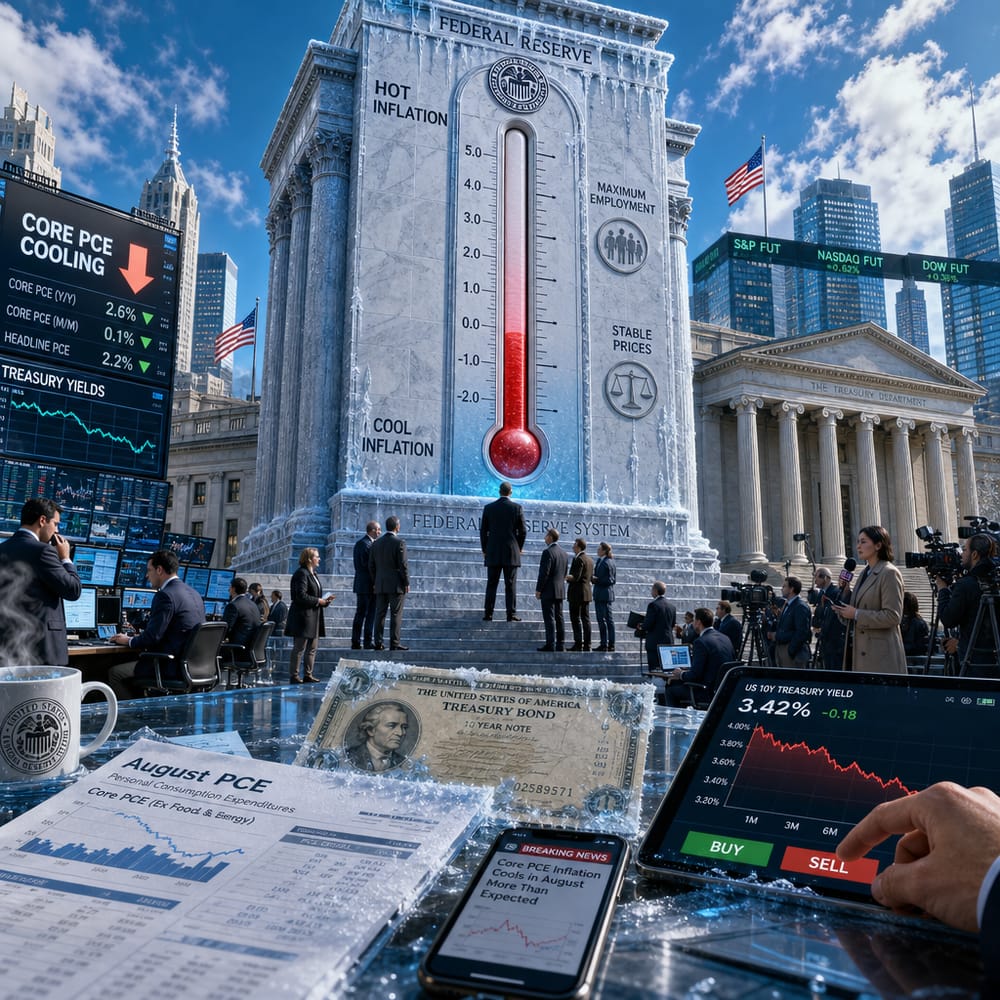
Core inflation is cooling off like a summer breeze, and the Federal Reserve might finally be able to shed its rate-hiking wool sweater. The latest data from the Commerce Department reveals that core inflation, as measured by the Personal Consumption Expenditures (PCE) price index, has surprised everyone by coming in lighter than a vegan’s grocery list. If you don’t usually keep tabs on PCE data, think of it as the Fed's crystal ball for inflation, minus the mystical hoopla.
The PCE data for August clocked in with a 3.0% annual increase for core inflation — the price index that excludes those pesky food and energy prices. That’s less than the 3.3% economists had predicted in their crystal balls (or spreadsheets, whichever they prefer). Even the overall PCE — which includes everything — rose only 3.4%, still falling short of the 3.7% forecast.
Why should you care? Well, cooler-than-expected inflation might just be the golden ticket for the Fed to pause its relentless interest rate hikes. Market watchers and retail investors alike are already buzzing with speculation: will the Fed slam the brakes on its rate hikes, or is this just a fleeting moment of respite?
HOW THE PCE DATA IMPACTS THE FED'S INFLATION OUTLOOK
The Fed, always the cautious maestro, has been keeping a close eye on these inflation numbers, because they hold the key to its next move on interest rates. The lower-than-expected core inflation suggests that the once-blazing fire of inflation may be down to embers. This cooler outlook could mean the Fed is less likely to continue turning the interest rate knob up to eleven — which is great news for borrowers who have been wincing at their loan statements.
But before you start celebrating, remember, the Fed plays the long game. While the latest numbers are promising, the central bankers will be assessing if this is a trend or a one-hit wonder. After all, even Beyoncé wouldn't risk an entire album on just one chart-topping single.
WHAT ARE THE IMPLICATIONS FOR FUTURE RATE HIKES?
Now, here’s where the rubber meets the road, or rather the Fed meets the economy. Lower inflation peeking around the corner means the Fed might ease up on its aggressive rate hikes. The speculation is juicy. Some analysts suggest the Fed might even hold interest rates steady in its upcoming meetings — a far cry from the aggressive tightening we’ve seen in the past months.
This cautious optimism has already sent ripples through the markets. U.S. Treasury bonds saw a dip in yields following the PCE data release, signaling that investors are expecting softer monetary policy. For retail investors, this could mean a bit of relief in the bond market and potentially more stable stock market conditions.
Still, keep your seatbelts fastened, because the Fed doesn’t make moves based on one month's data. They’re like a poker player holding a winning hand but still eyeing the competition, waiting for just the right moment to rake in the chips.
THE MARKET REACTION AND WHAT'S NEXT
So, what’s the current vibe on Wall Street? It’s a bit like finding out your favorite pizza place has a half-off deal — everyone’s excited but cautiously optimistic. Stock futures have been climbing, with traders seemingly betting that the Fed will ease off the gas pedal on rate hikes. The bond market is offering a similar story, with yields retreating from previous highs.
For everyday investors, the scene is set for a potentially more favorable investing climate. If the Fed does decide to pause further rate hikes, it could lead to an extended market rally. But as always, it’s essential to keep a diversified portfolio and not chase the highs like a caffeinated trader at a crypto convention.
In the end, while the August PCE data has brought a breath of fresh air to the inflation conversation, the Fed remains the master conductor. They’ll decide whether this is a new symphony of stable prices or just a brief interlude. Until then, keep an eye on those economic indicators and enjoy the ride — hopefully without too many bumps.
This article is for informational purposes only and is not investment advice. Always do your own research or consult a licensed financial professional before making investment decisions.
© Copyright 2024. All Rights Reserved.
© Copyright 2024. All Rights Reserved.